In a wide-ranging interview, JEREMY CORBYN talks to Ben Chacko about the difficulties the new Prime Minister faces and why he sees no future in Labour


 Latest editorial

The future of Welsh steel
Ownership will be the deciding factor of the Welsh steel industry’s future, and that ownership must reside with the state, and eventually the people, if it is to flourish. We must urgently renationalise steel to this end, writes LUKE FLETCHER MS
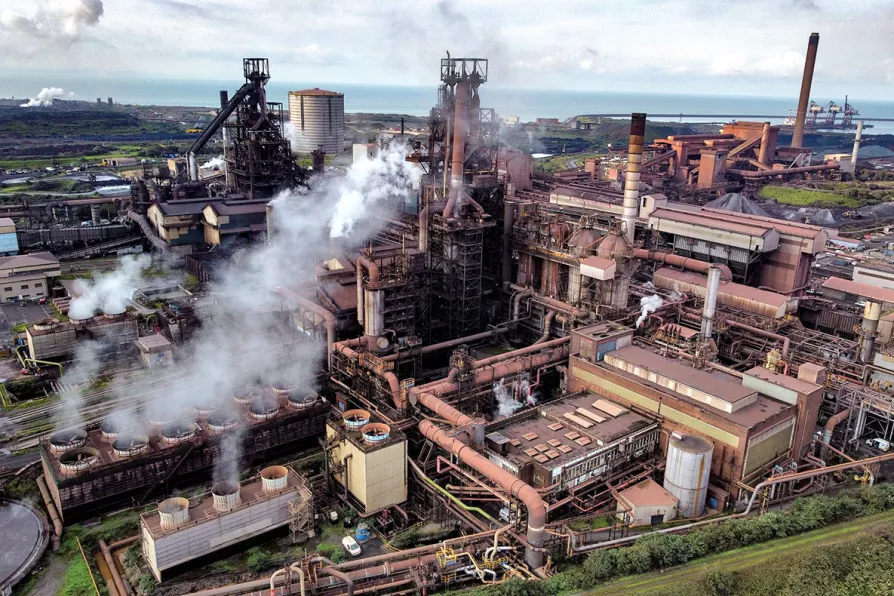 Tata Steel's Port Talbot steelworks in south Wales, September 15, 2023

A sharp rise in public-sector investment is required to kick-start the economy, argues MICHAEL BURKE
Burnham’s billions for defence while councils and local services struggle will not deliver the change that Britain’s working-class communities need, says MICAELA TRACEY-RAMOS
Millions of elms were wiped out by Dutch elm disease in the 20th century, transforming the landscape forever – yet pockets of hope are keeping this beloved tree alive. MARK SEDDON explains
CARLOS MARTINEZ looks at the facts behind US persecution of Fergie Chambers
While Italy’s communist tradition remains fragmented and politically marginal, France’s party is attempting to re-establish itself as an independent force rooted in working-class organisation, says NICK WRIGHT





WHEN we look at the Tata Steel site in Port Talbot, we don’t just look at Britain’s largest steelworks. We look at an industry that has left an indelible mark on the lives of many in the communities of south Wales.
The lights, flames, hulking smokestacks and chimneys — forming the town’s “north star,” as Michael Sheen once described it — comprise the formidable backdrop to the lives of those that have grown up and lived there, and are an unmistakable sight for those passing through. When we look at the steelworks in Port Talbot, we also look at the biggest challenge facing the steel industry for a generation.
In September last year, we learned, as had been suspected for some time, that the British government’s backroom deal with the owners of Tata Steel would likely exact the high price of 3,000 job losses, with the vast majority of those falling on the Port Talbot plant.
The confirmation that came on January 19, that Tata will be closing its blast furnaces was, and remains, devastating. The decision to push ahead despite the probable fallout and the loss of highly skilled, unionised jobs in Wales will be a hammer blow.
At stake is not just the operation of a firm. The livelihoods of thousands of workers, including those working in the supply chain, the Welsh economy, the future of an industry, the businesses that depend on people’s wages and a sense of hope for a just transition to carbon-neutral steelmaking have now been thrown into question.
There is no getting around the fact that the steel industry is a major greenhouse gas emitter. In 2019, iron and steelmaking generated 14 per cent of Britain’s industrial greenhouse gas emissions, and 2 per cent of total emissions while in Wales alone, iron and steel comprised 37 per cent of total industry and business sector emissions.
Tata is Britain’s largest carbon emitter. Problematic though steel production is for climate change, we are going to need it by the tonne to realise any ambitions we have around green infrastructure, renewable energy and decarbonisation.
This comes with a caveat. The language of net zero and the green lexicon are increasingly being used to justify downsising when decarbonisation should not be at the expense of workers. We’re currently seeing workers, who should be playing a part in the transition, being thrown on the scrap heap.

Similar stories
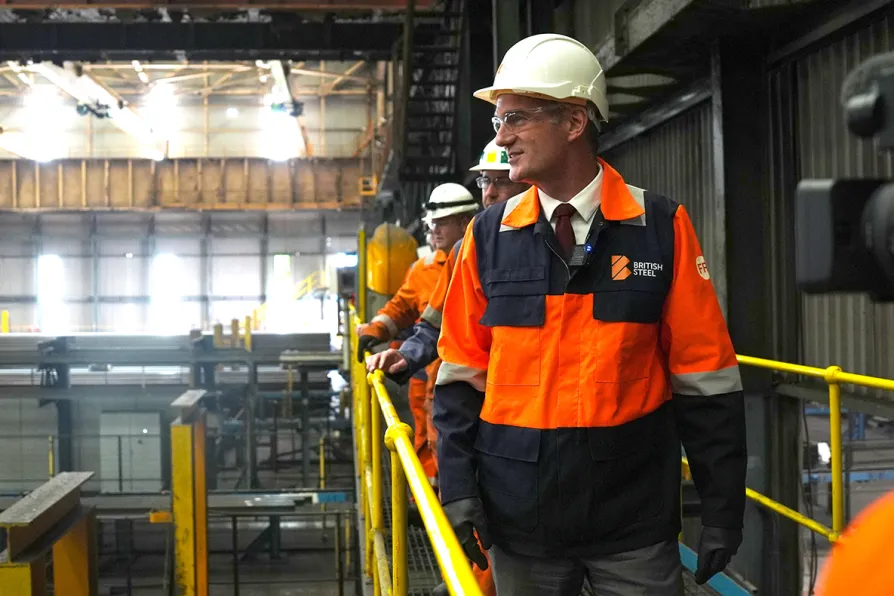
LUKE FLETCHER outlines Plaid Cymru bold plans for wide-ranging policy consultations with trade unions in Wales
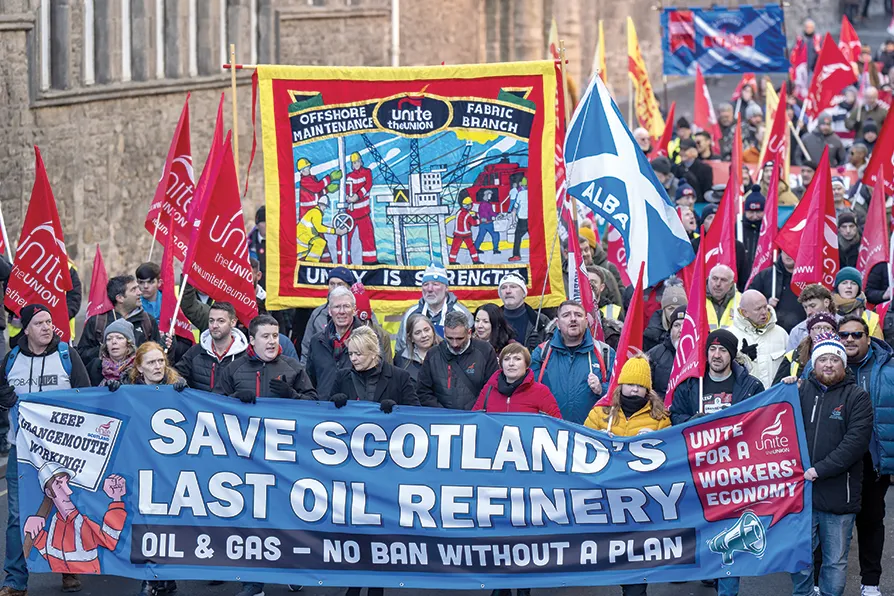
As fossil fuels have had their day, JOSIE MIZEN makes it clear that it is now the government’s responsibility to initiate the transition to alternative employment in a manner that is organised, efficient and effective
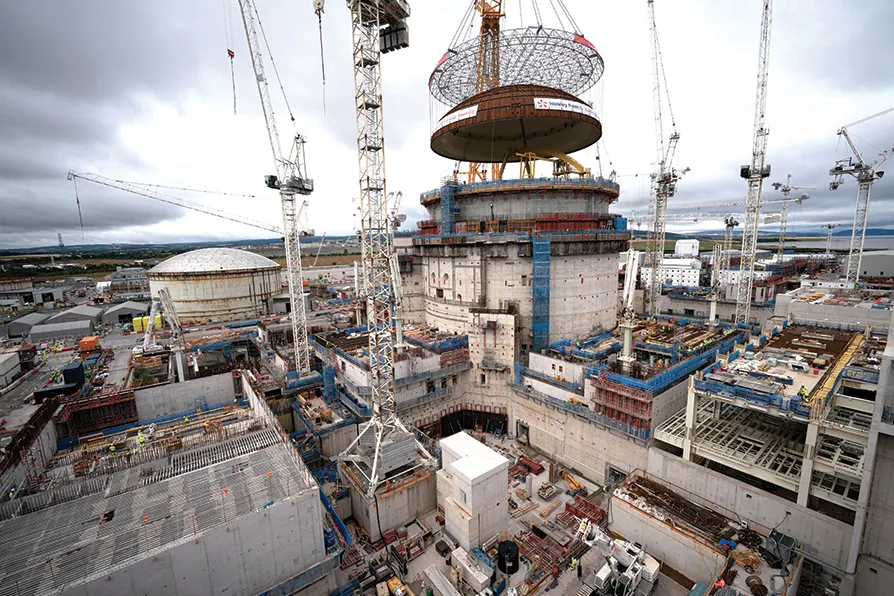
The Communist Party of Britain’s Congress last month debated a resolution on ending opposition to all nuclear power in light of technological advances and the climate crisis. RICHARD HEBBERT explains why