The Greater Manchester mayor has shifted left over the years — but his record still shows a tendency to wobble when pressure comes from the right, says SOLOMON HUGHES


 Latest editorial
Union building under Labour
As the prospect of a Labour government becomes increasingly likely, MARTIN SMITH looks at the lessons for unions from the 1997-2010 era and focuses on what our core goals should be today
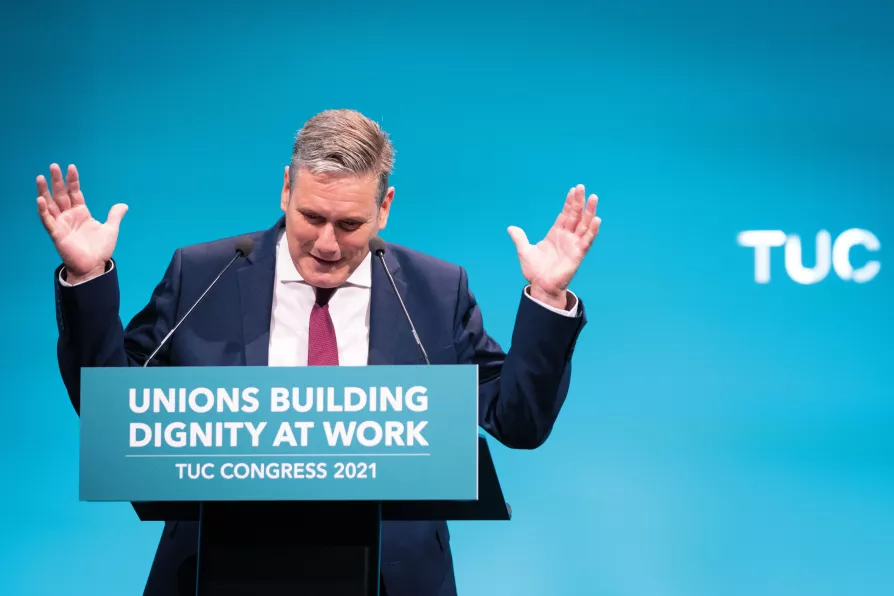 Labour leader Keir Starmer speaking at the TUC congress in London, September 14, 2021
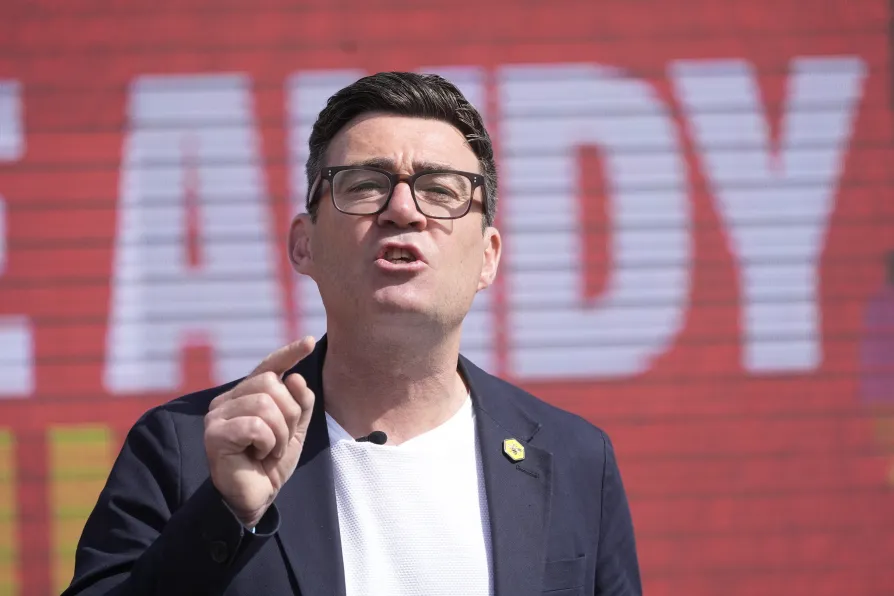
RAMZY BAROUD explains why Israel’s political collapse cannot be separated from its war crimes
DAVID RABY charts the ever increasing US attempts at intervention in Mexico’s internal affairs
FRANCISCO DOMINGUEZ and ROGER D HARRIS highlight how the priority for internationalists should be defending Venezuela’s government against external aggression
Established as a landmark victory for the climate movement, the CCC promised to hold governments to account. Today, it is understating the danger of climate chaos and impeding the radical action needed, says IAN SINCLAIR
ROGER McKENZIE draws attention to the much-neglected oral traditions of the global South that define the identity – and therefore the liberation – of its custodians





ON CURRENT trends and despite recent turmoil, pollsters are telling us that 2024 seems on course to produce a Labour-led government (at least).
The Tory Party seems likely to be punished for its eugenics and corruption during Covid, the collapse of public services and the economic incompetence of the Liz Truss period.
Issues over how best to continue union-building work in a climate that unions have not had to navigate for 14 years will now come to the fore for many organisations.
We are in an urgent debate over how best unions can avoid the expectation of blank cheque loyalty on every issue that will arise from the party, especially when the shine wears off — and how in the meantime unions resist being policed by Labour. Simply put, will unions choose the role of critical ally or uncritical cheerleader? And what might that look like in 2024 compared to 1997?
A bit of 1997-era history is worthwhile. In 1997 we could have done anything. New Labour was elected with a majority of 179 on a wave of anti-Tory sentiment after 18 years in opposition.
For much of that time, trade unions had adopted the “dented shield” approach, retreating from conflict with employers, and stepping back from industrial campaigning as we waited for a Labour government to arrive and get us off life support.

Similar stories
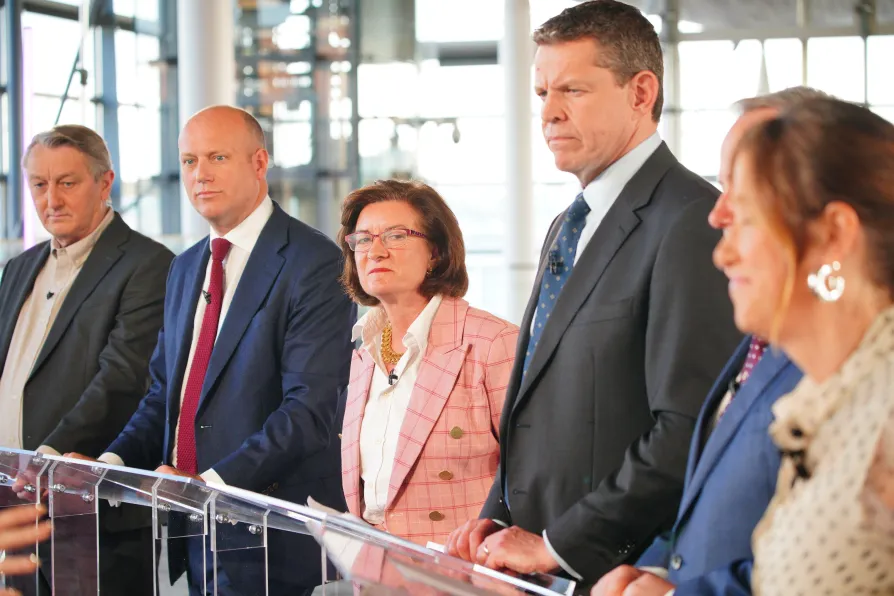
The election offers a critical chance to shape the future of pay, care and community provision in Wales, says Unison’s JESS TURNER
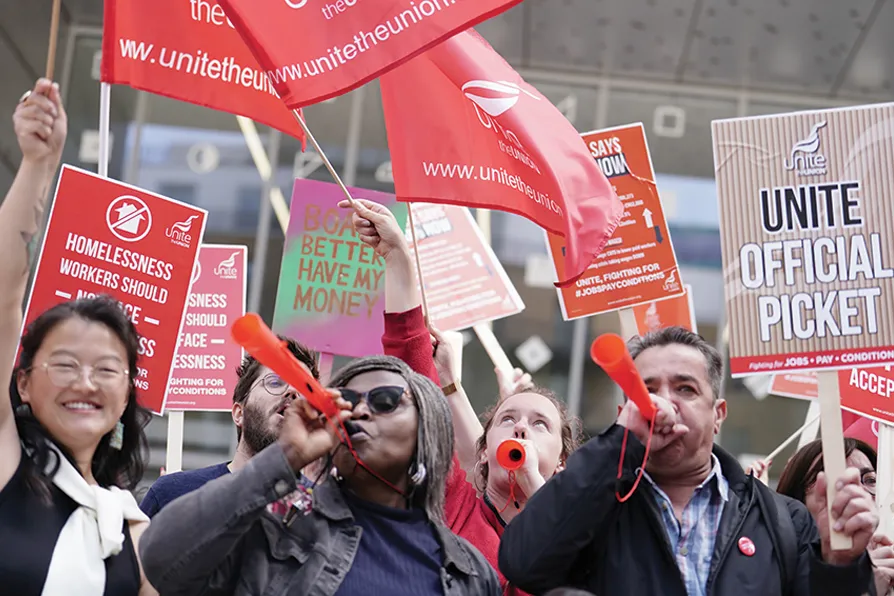
The unions are unhappy with the Employment Rights Act 2025 and with good reason. KEITH EWING and Lord JOHN HENDY KC take a close look at why the Bill promised more than it delivered
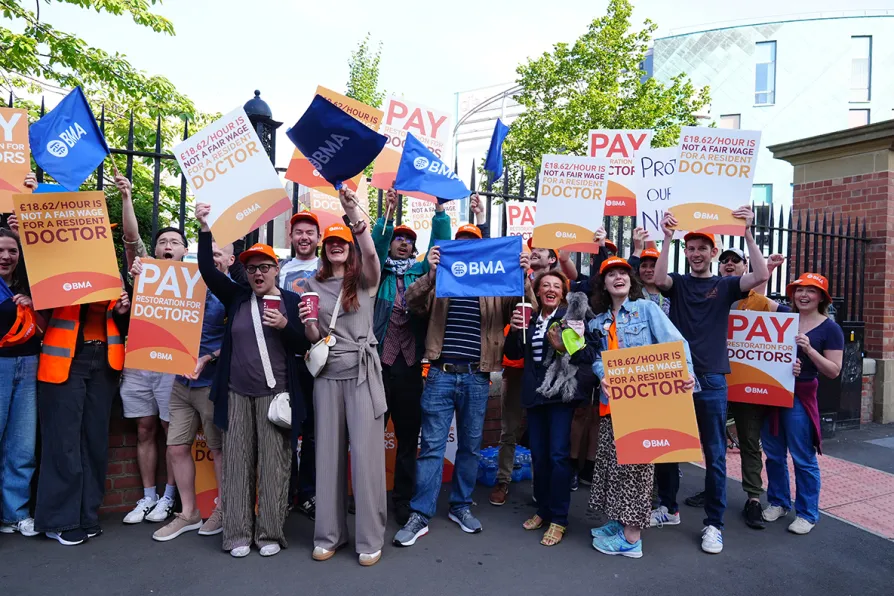
Labour’s watered-down legislation won’t protect us from unfair dismissal or ban some zero-hours contracts until 2027 — leaving millions of young people vulnerable to the populist right’s appeal, warns TUC young workers chair FRASER MCGUIRE
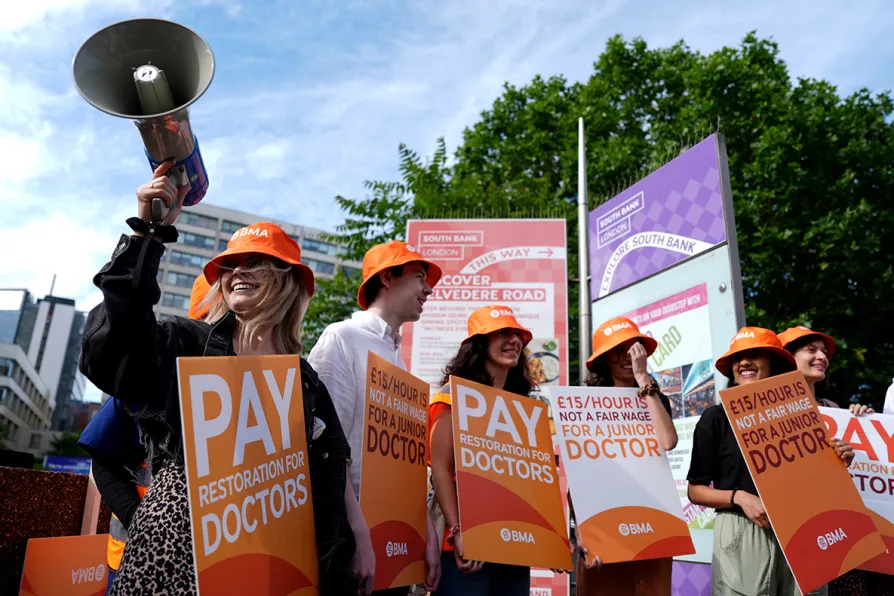
It is only trade union power at work that will materially improve the lot of working people as a class but without sector-wide collective bargaining and a right to take sympathetic strike action, we are hamstrung in the fight to tilt back the balance of power, argues ADRIAN WEIR