Green Party deputy leader MOTHIN ALI, who will speak at the International Anti-War Conference in London on June 20, says Britain needs to rethink its priorities – and its allies


 Latest editorial
Warfare Trumps welfare — whoever wins the US election
In 2022 alone, a staggering $800 billion was spent on the military, with 40 per cent funnelling into the coffers of a tiny number of major arms manufacturers — meanwhile, the country crumbles, writes ROGER McKENZIE
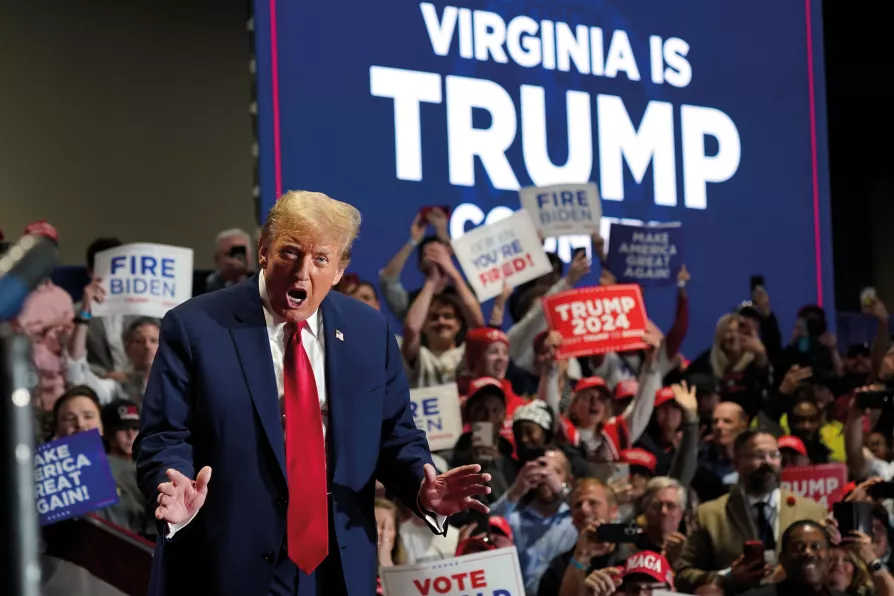 GRIM PROSPECT: Republican presidential candidate Donald Trump arrives at a campaign rally in Richmond, Virginia
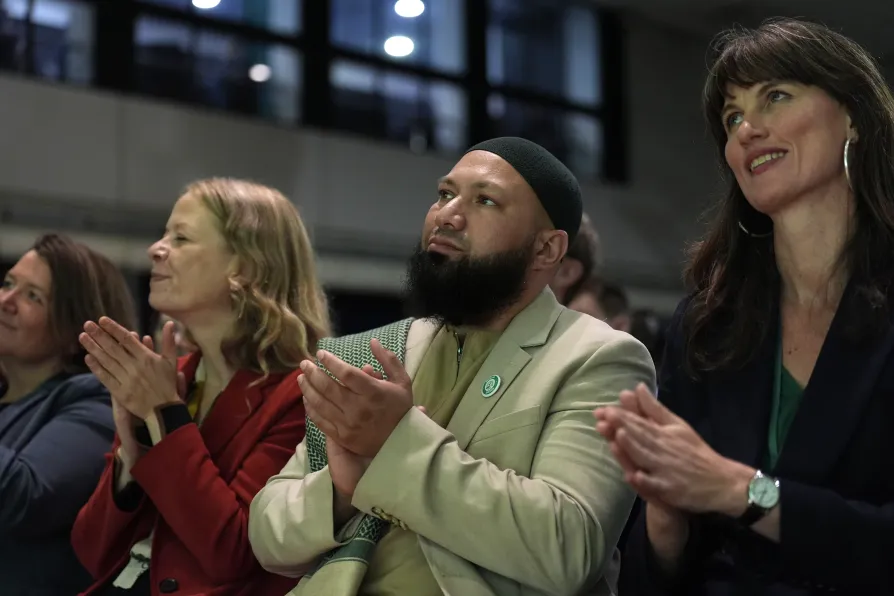
From Global Counsel to Arden, SOLOMON HUGHES finds firms linked to discredited politicians are still calling the shots in Britain
KEVIN COURTNEY explains why Reform UK is no friend to workers or trade unions, but just another party of the super-rich
EMMA DENT COAD explains why she is stepping down from the council after 20 years and how the legacy of the fire still haunts the area
While international attention focuses on ceasefire frameworks, Israel is openly advancing plans for a permanent expansion of its control over Gaza, writes RAMZY BAROUD
Researchers PAUL HOLDEN and JESSICA MURRAY are calling for whistleblowers and documentary records to uncover how Labour Together helped build the parliamentary majority that now dominates the Labour Party





THE US is heading towards a presidential election in November. But regardless of whether Biden or Trump, the two likely candidates, wins, the US will continue to prefer to spend money on warfare rather than welfare.
For more than 80 million US citizens born after 2001 warfare has been a normal state of affairs. They have never known peace.
The US has been at war for 231 of the last 245 years. Beginning with the revolutionary war in 1775, the US has been openly involved in 107 wars since it gained independence.

Similar stories
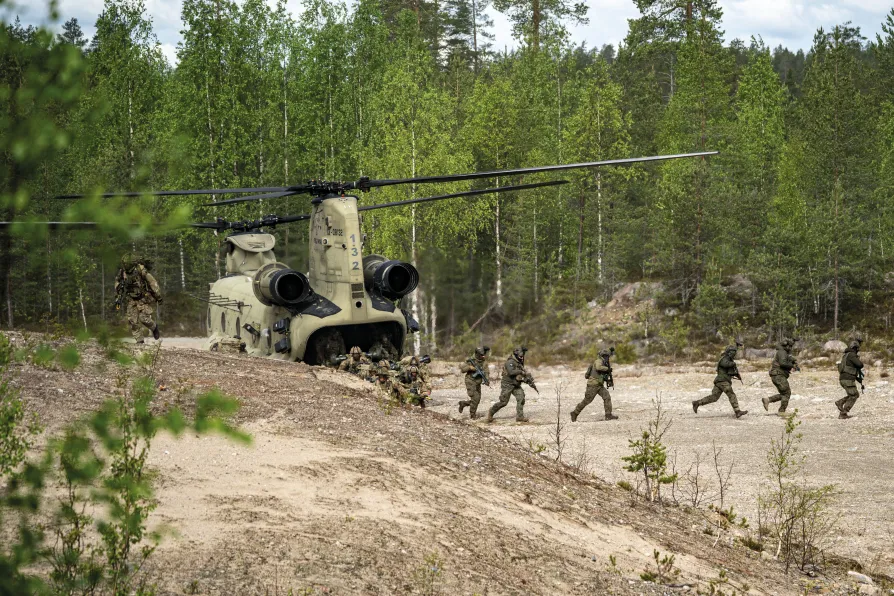
The growing argument that welfare must be sacrificed for ‘security’ is built on nothing but myth, argues MICHAEL BURKE


The BBC and OBR claim that failing to cut disability benefits could ‘destabilise the economy’ while ignoring the spendthrift approach to tens of billions on military spending that really spirals out of control, argues DIANE ABBOTT MP