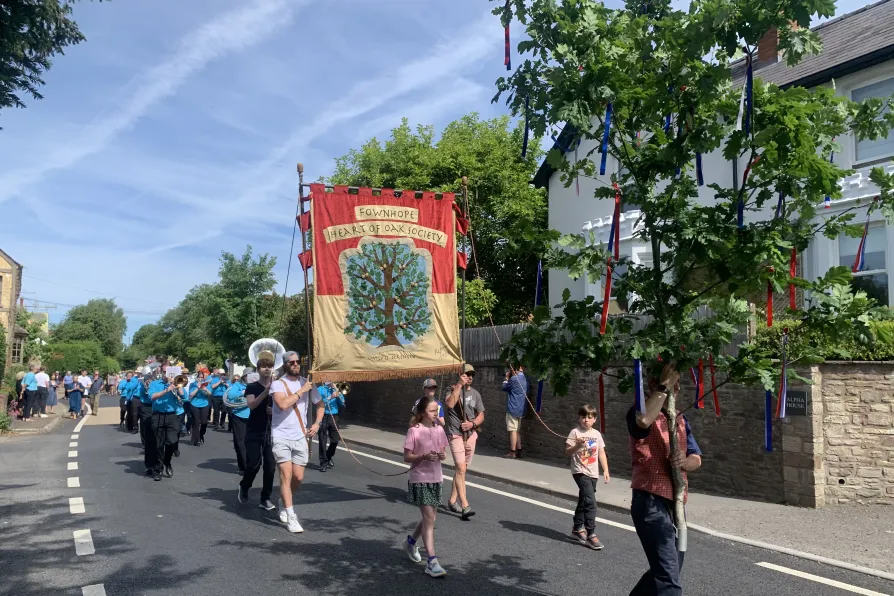
Fownhope’s Heart of Oak Society traces its roots to the age of friendly societies, when communities provided their own safety net. Its anniversary celebrations reveal a tradition still very much alive, says MARK SEDDON


 Latest editorial
The transnational fight for African freedom
In the final part of a series taken from his new book, African Uhuru, ROGER McKENZIE discusses the work of black rights titans George Padmore and Marcus Garvey, plus the significance of the Non-Aligned Movement’s creation in 1955
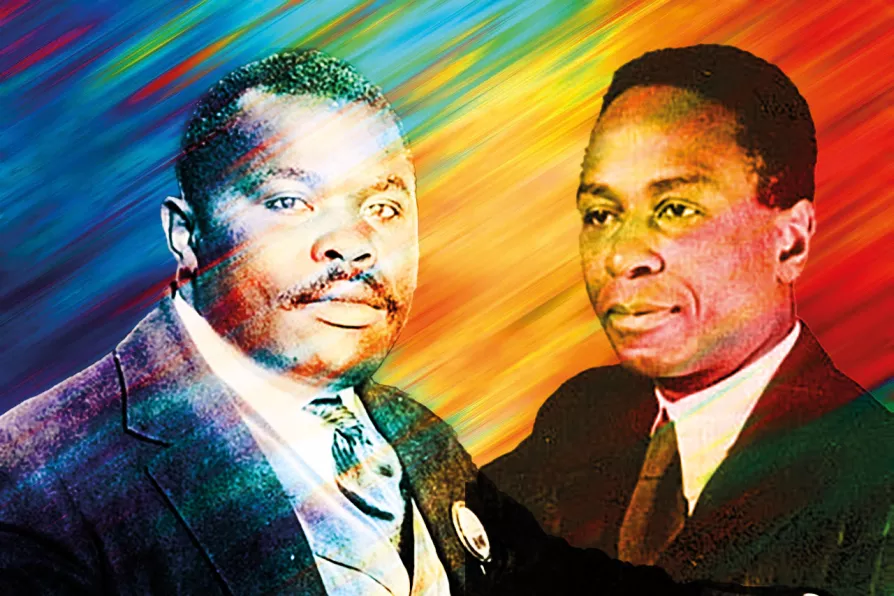 PATHBREAKING: Marcus Garvey (left) George Padmore (right)
ANGUS REID explains the significance of Cuba’s egalitarian in letter and spirit Family Code and the pertinent lessons it holds for democracies anywhere in the world
Special report by PEOPLE’S WORLD
NICK WRIGHT considers how the isolation of Israel and a new film on the controversial Italian communist leader are creating new reference points for Italy’s left
CARLOS MARTINEZ says Cuba’s achievements in the face of a criminal blockade are startling, but the island’s future if the United States succeeds in crushing it looks bleak
AMNON BROWNFIELD STEIN reports that far-right MPs who mobbed the event organised by Hadash may have helped raise awareness of the brutality of the Israeli right





GEORGE PADMORE played a central role in developing and building transnational African liberation communities of resistance.
Born Malcolm Nurse in Trinidad in June 1903, he changed his name, as did many (particularly communist) activists of the time, as cover from identification while involved in clandestine activities.
As a university activist student in the United States in the 1920s, Padmore joined the Communist Party and quickly rose in its ranks.
Padmore became one of the leading African activists within the Communist International — known as the Comintern.

Similar stories
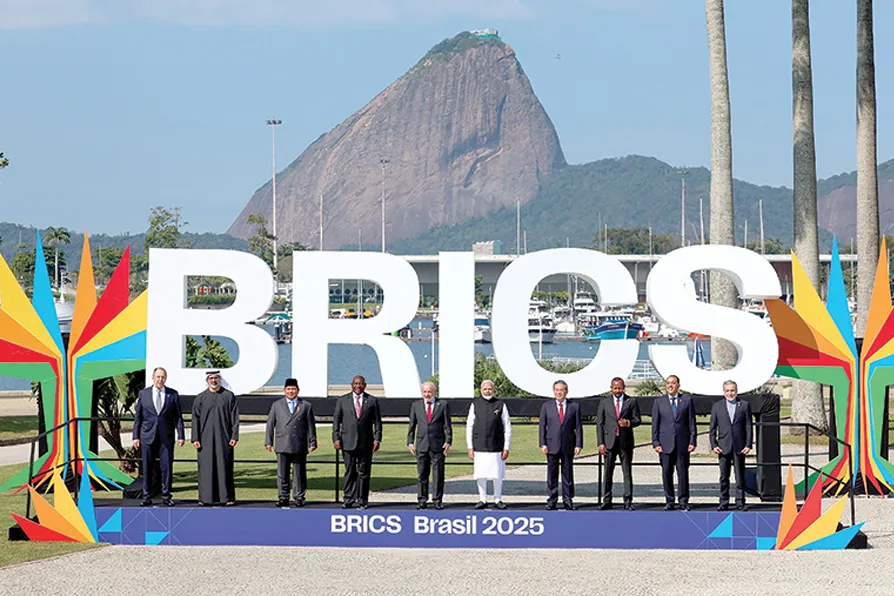
ROGER McKENZIE expounds on the motivation that drove him to write a book that anticipates a dawn of a new, fully liberated Africa – the land of his ancestors
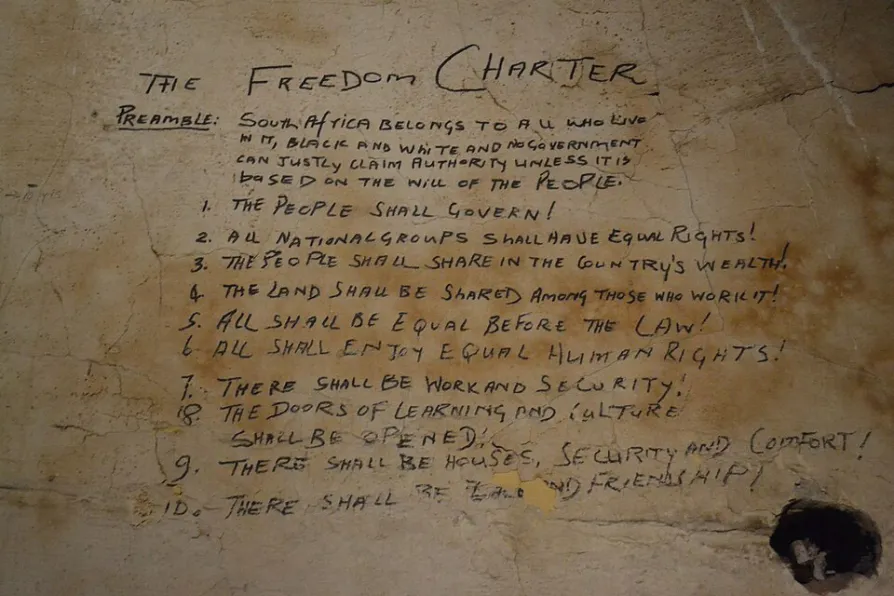
The charter emerged from a profoundly democratic process where people across South Africa answered ‘What kind of country do we want?’ — but imperial backlash and neoliberal compromise deferred its deepest transformations, argues RONNIE KASRILS
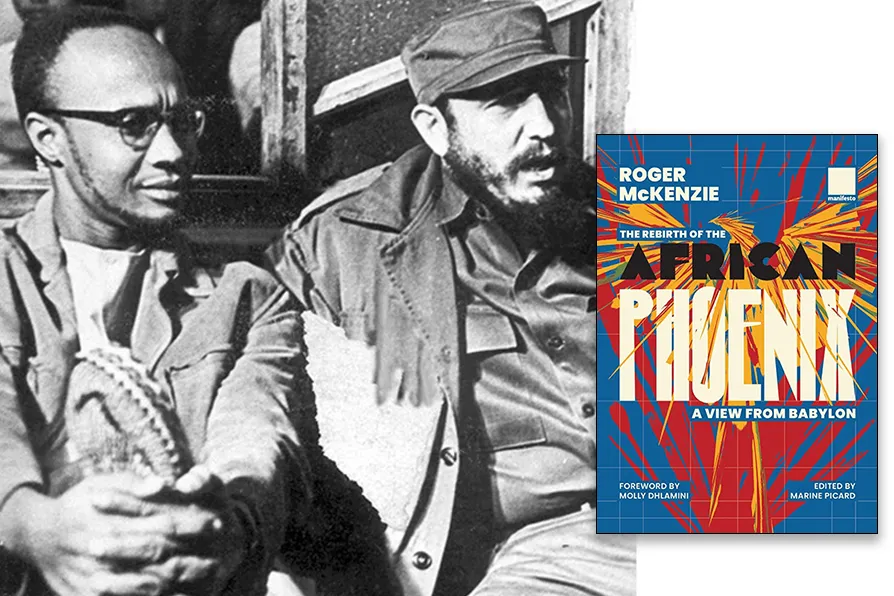
MOLLY DHLAMINI welcomes a Pan-Africanist and Marxist manifesto that charts a path for Africa’s resurgence
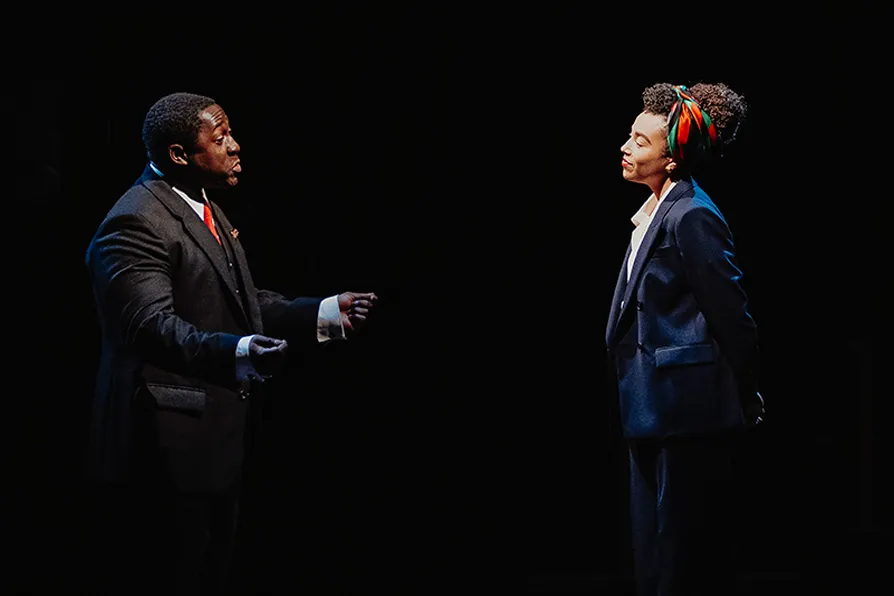
PAUL FOLEY welcomes a dramatic account of the men and women involved in the pivotal moment of the 5th Pan African Congress