The question is not simply how much we spend on defence, but what we understand defence and security to mean, says SIMON BRIGNELL


 Latest editorial

British foreign policy: the elite v the public
Statistics show conclusively that the majority of Brits have repeatedly frightened the Establishment by consistently opposing military adventurism abroad, writes IAN SINCLAIR
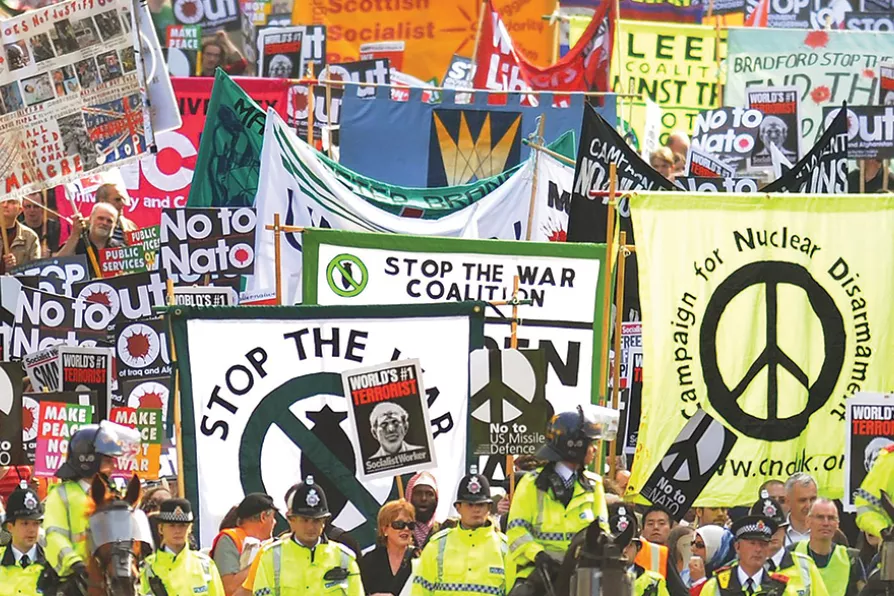 SCARING THE ELITES: An anti-war march in Manchester city centre, where the 2008 Labour Party Conference was held
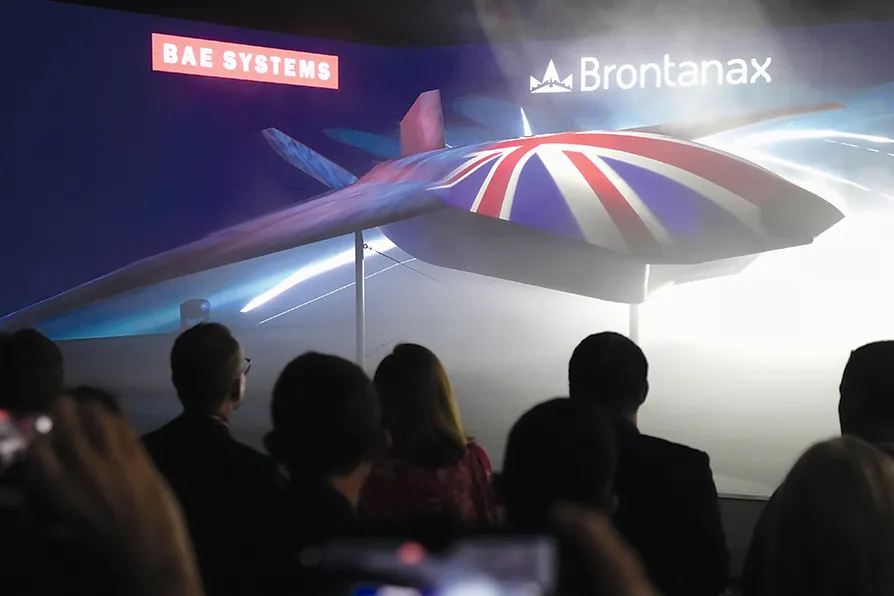
Given the recent rejection of peace proposals by Israel the world must provide an immediate and resolute response to force accountability on Gaza, argues RAMZY BAROUD
MARK SEDDON tries to cool off in the countryside to avoid the heatwaves but the greed and incompetence of the privatised water industry is now at boiling point
The disputed election of a far-right president, who is also a US citizen, signals further consolidation of Washington’s regional power and represents a threat to the country’s democracy and sovereignty, writes WT WHITNEY JNR
by Her Excellency Ismara Mercedes Vargas Walter, Ambassador of the Republic of Cuba to the United Kingdom
DR STEPHEN WILKINSON assesses the life and legacy of a revolutionary giant





TWO polls published earlier this month make interesting reading.
Asked by YouGov “Do you think the UK was right or wrong to take military action in the following wars…?”, just 26 per cent of respondents answered it was right to take military action in the 1991 Gulf War, 29 per cent in Kosovo in 1999, and only 20 per cent in Afghanistan and 16 per cent in Iraq in 2003, while 48 per cent and 54 per cent said it was wrong to take military action in Afghanistan and Iraq, respectively.
Another poll by Focaldata for news and opinion website Unherd found 44 per cent of respondents thought Britain should be less engaged in overseas conflicts, compared to just 7 per cent who said the nation should be more engaged.

Similar stories
Media Lens at 25: David Cromwell and David Edwards reflect on a quarter-century of media criticism, explaining why independent journalism is more important than ever
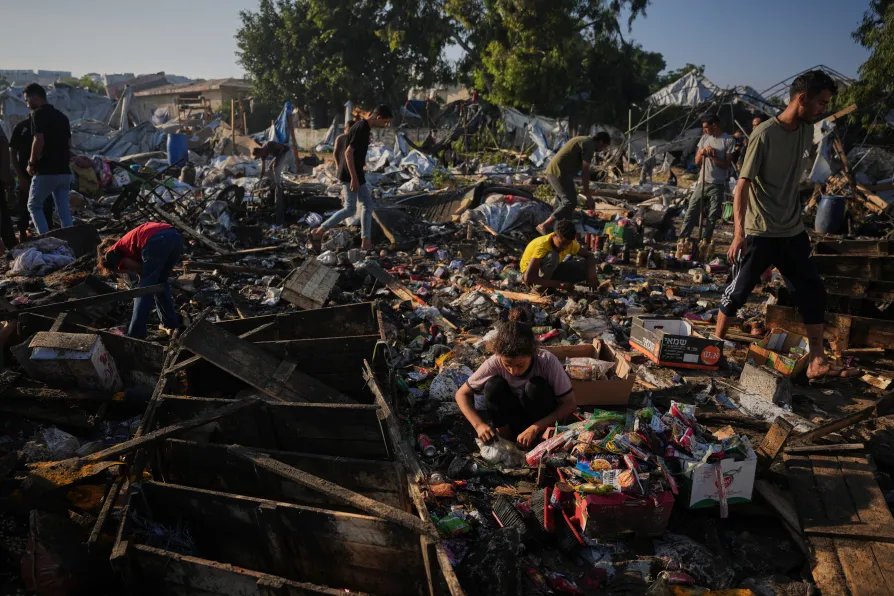
IAN SINCLAIR examines the curious memory lapses across liberal media when it comes to British government crimes
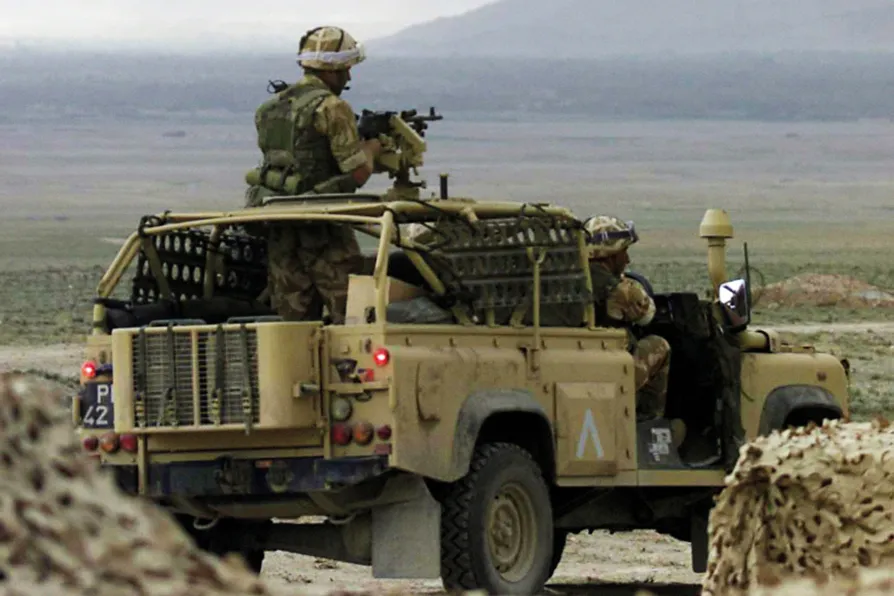
Outrage greeted Donald Trump’s suggestion earlier this year that Britain stayed off the front lines. But evidence suggests our forces were at times pulled from the most dangerous fighting — not by military failure, but by pressure at home, says IAN SINCLAIR
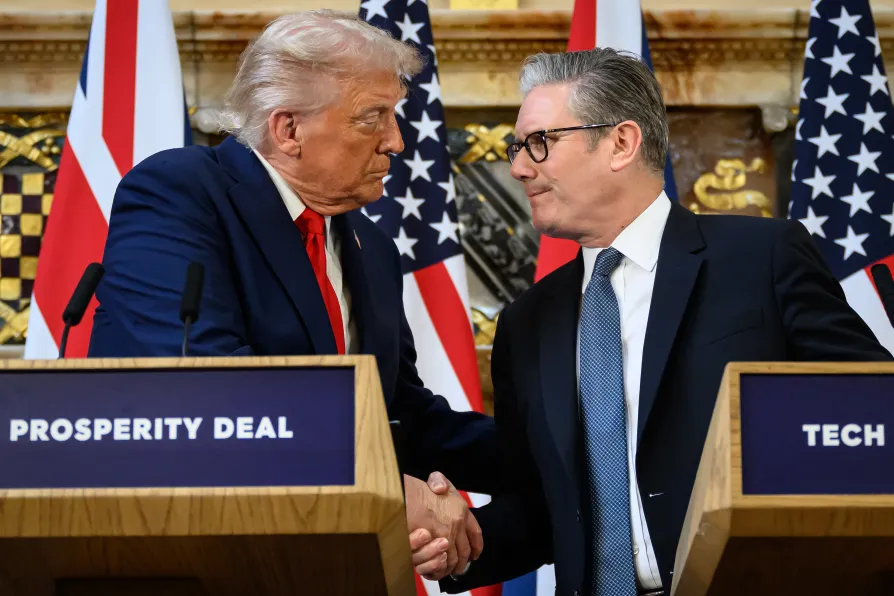
The media present Starmer as staying out of Trump’s war — but we’re already deeply involved in a conflict that sees the US and Israel kill civilians on a huge scale, argues IAN SINCLAIR