
Tackling climate change is not just an urgent environmental necessity but provides an opportunity for economic restructuring in the interests of the Welsh people


1974: when Labour’s radical promises collided with political reality
JOHN ELLISON looks back at the Wilson government’s early months, detailing how left-wing manifesto commitments were diluted, and the challenges faced by Tony Benn in implementing socialist policies
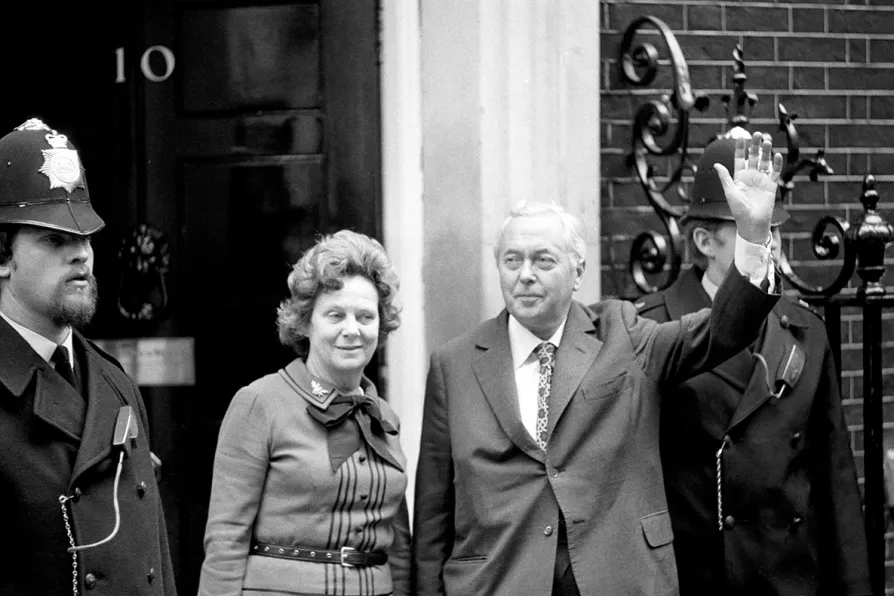
 Harold Wilson arrives in Downing St, 1974

A spate of bomb recoveries across Dhaka raise questions whether extremism is making a comeback, says SIAM SAROWER JAMIL
Poverty, refugee displacement, child labour and militia violence are exacerbating the challenge of health workers to limit this deadly contagious disease. CONSTANT SAME BAGALWA and MARK BANCHEREAU report
CLAUDIA WEBBE speaks out against the lethal mechanics of Britain’s culture-war press
Powerful agribusiness interests are trying to overturn efforts by the Lula government to protect the environment and indigenous peoples of the Amazon region, writes GABRIELA SA PESSOA
Trade unions and community groups are mobilising to push back against Trump’s racist raids after new revelations of spying on legal protesters. MARK GRUENBERG reports from the US state of Minnesota
The best wildfire service may begin with the community, argues KOMAL RAJ ARYAL





THE first few months of the Labour government under “slippery” Harold Wilson from March 1974 brought serious departures from the decision-making of the previous Edward Heath Tory government, even though the general election of February 28 had left the Wilson government in an overall minority situation against other parties.
During the winter months Heath had put centre-stage the “unreasonableness” of a pay claim by the miners, and their follow-up industrial action.
Heath’s action plan was comprised of three planks: a declaration of national emergency; a three-day week for workers in industry (in the light of a deliberately exaggerated coal shortage due to the industrial action); and a general election on the issue of “who governs Britain?” Tony Benn had recorded in his diary on January 4: “Well, it is the class war and we have got to face it.”
The election had the look of a referendum about it: what do you want? To back sensible Conservative government or to back “chaos?” Heath was surprised when the count was done — as were the opinion pollsters — to discover that a majority of voters were backing Labour and therefore “chaos.”

Similar stories
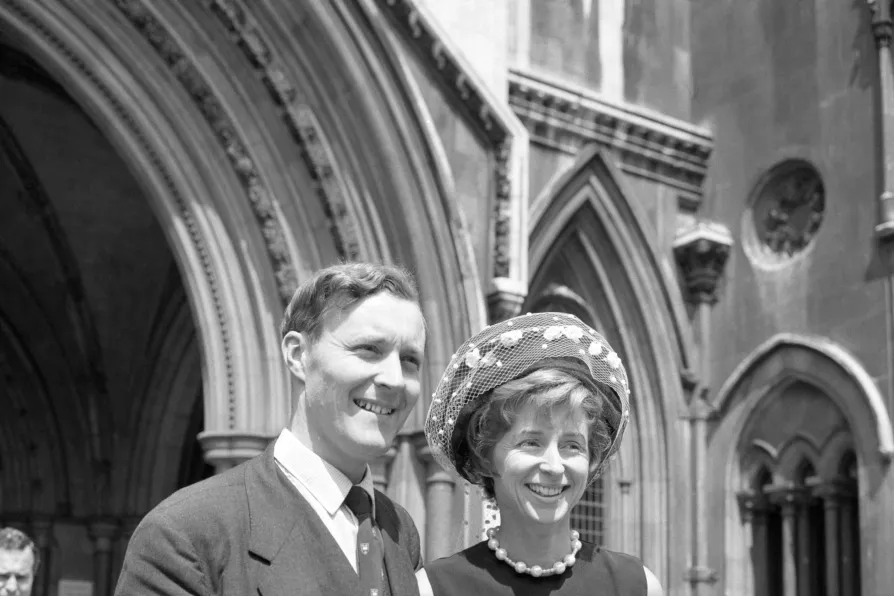
Tony Benn’s constituents chose him by an overwhelming majority — but because he had inherited a peerage, parliamentary rules declared their choice invalid, writes MAT COWARD
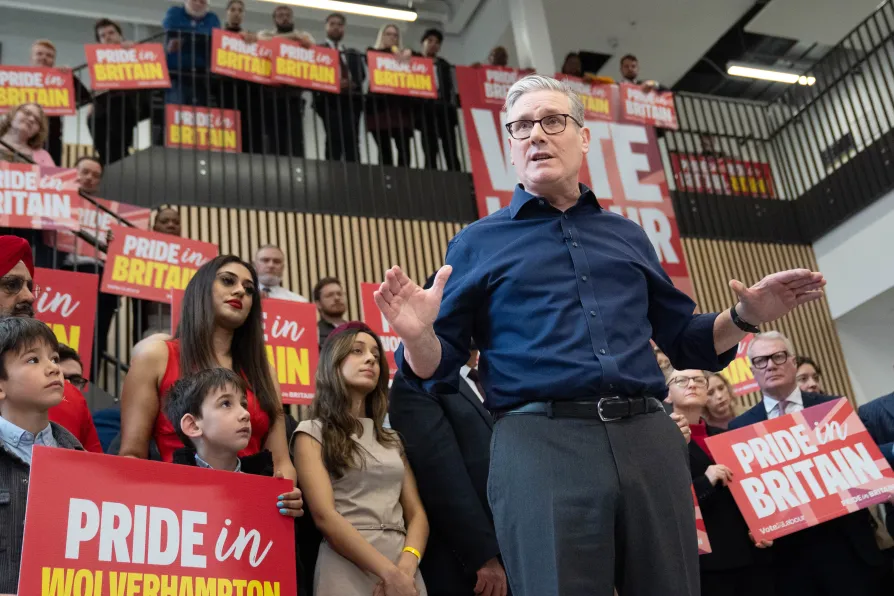
The PM is drawing cautious distance from Donald Trump over Iran – but history suggests Britain’s support may run deeper than it appears, just as it did during the Vietnam war, says KEITH FLETT
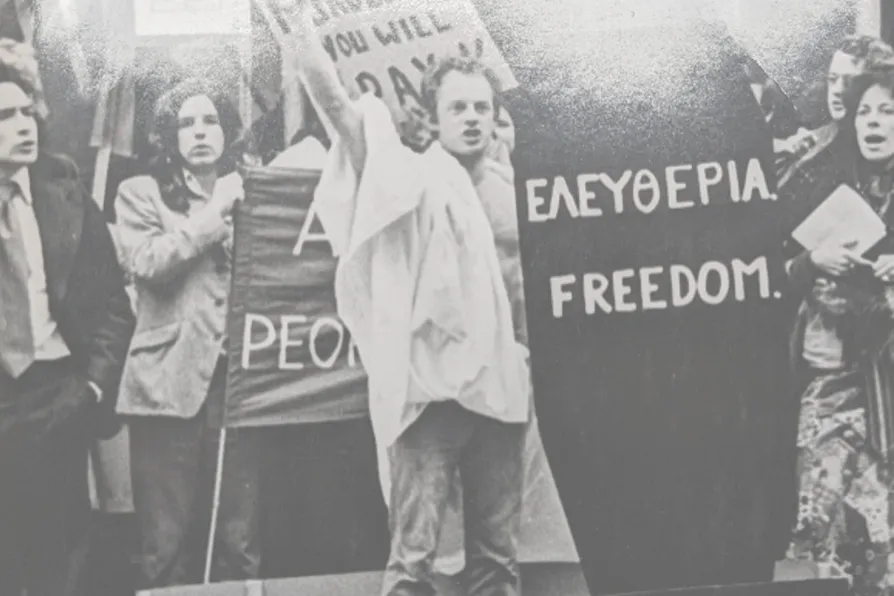
Barred from returning home, a group of Greek Brigaders came to Britain and founded the League for Democracy in Greece – a movement that carried the flame of anti-fascist resistance from the 1930s through the cold war and beyond. ALI BASSAM ZAHID tells the story

Who you ask and how you ask matter, as does why you are asking — the history of opinion polls shows they are as much about creating opinions as they are about recording them, writes socialist historian KEITH FLETT