LEO BOIX recommends a ravishing, full-bodied drama about the intensely demanding and emotional art of Kabuki theatre


 Latest editorial

Blood sacrifice for profit
ANDY HEDGECOCK recommends the application of ‘Gothic Marxism’ for its memorable portrayal of the physical violence done to working people
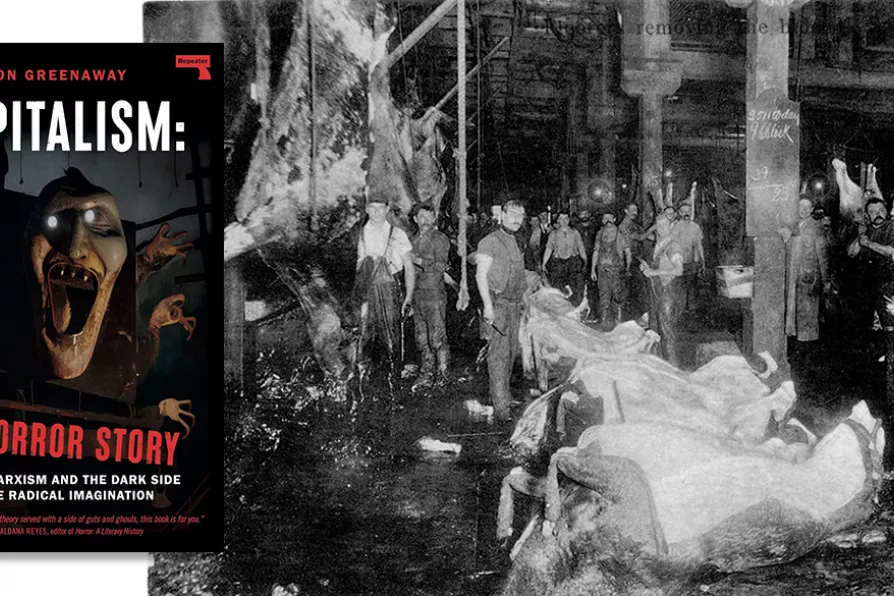 PRIMAL SITE OF VIOLENCE: The Chicago meatpacking yards, 1909, where jounalist and novelist Upton Sinclair spent seven weeks in 1904 gathering information for his novel The Jungle while working incognito for the socialist newspaper Appeal to Reason
[Public Domain]
PRIMAL SITE OF VIOLENCE: The Chicago meatpacking yards, 1909, where jounalist and novelist Upton Sinclair spent seven weeks in 1904 gathering information for his novel The Jungle while working incognito for the socialist newspaper Appeal to Reason
[Public Domain]

On the day of the election, MARTIN GOLLAN reflects on the perennial relationship between the far-right and the back-hander
MARY CONWAY is gripped by the powerful emotional journeys portrayed by the parents of the perpetrator and victims of a mass shooting
LEO BOIX reviews a novel where shadows deceive and mortality looms, and a poetry collection that refuses to dim
ROBIN STYLES welcomes a boundary pushing work of fiction exploring the life and ideas of the godmother of modernism
PAUL DONOVAN recommends an energetic adaptation of Ken Kesey’s novel, that emphasises how psychiatry is a tool in the hands of a racist agenda





Capitalism: A Horror Story
by Jon Greenaway, Repeater Books, £10.99
STUDIES of the radical imagination tend to emphasise gritty realism at the expense of the irrational. Jon Greenaway’s latest book corrects this imbalance by highlighting links between capitalism’s real-world atrocities and the imaginatively constructed evils of the horror genre.
The approach employed, “Gothic Marxism,” draws on the objectivity of Marxist analysis, but is also rooted in the traditions of romanticism. Greenaway sees it as a philosophy that allows us to reinterpret the past, describe the horrors of contemporary society and theorise about a utopian future. Specifically, it supports a radical interpretation of the literature and films of the horror genre.
The book outlines the long history of supernatural and macabre imagery in critiques of capitalism. For example, Marx and Engels opened the Communist Manifesto (1848) with the phrase “A spectre is haunting Europe” and, in the first volume of Capital, Marx’s metaphors are soaked in the blood and viscera of exploited workers. According to Greenaway, this language was not chosen for impact or decoration, but to capture the severity of the damage wrought by capitalism.

Similar stories
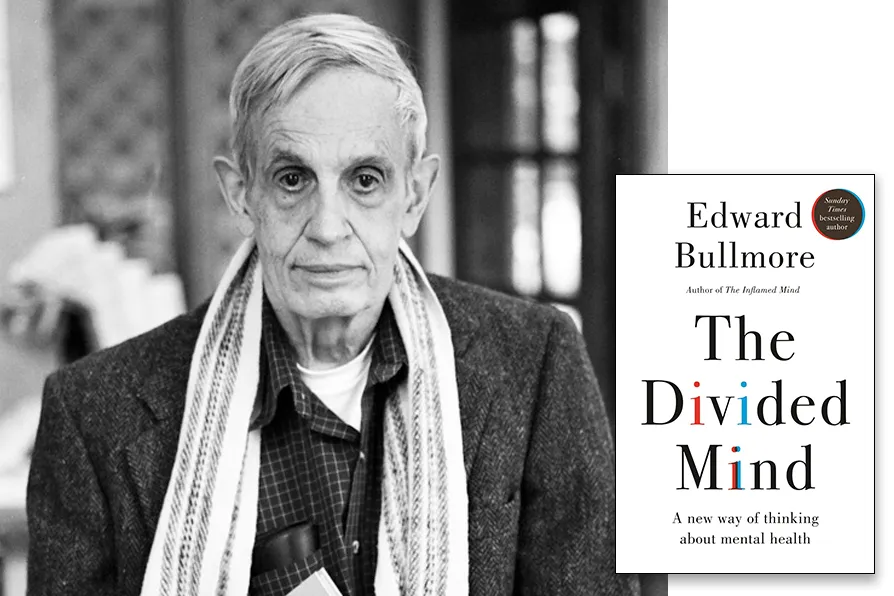
RICHARD SHILLCOCK examines an enjoyable, but philosophically conventional book, and urges Marxists to employ their capacity to embrace the totality in any explanation
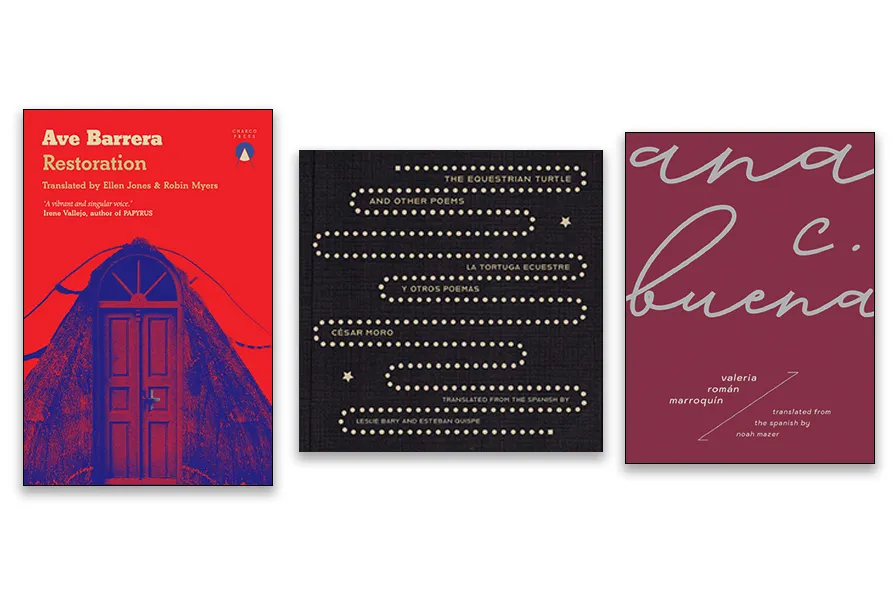
A ghost story by Mexican Ave Barrera, a Surrealist poetry collection by Peruvian Cesar Moro, and a manifesto-poem on women’s labour and capitalist havoc by Peruvian Valeria Roman Marroquin
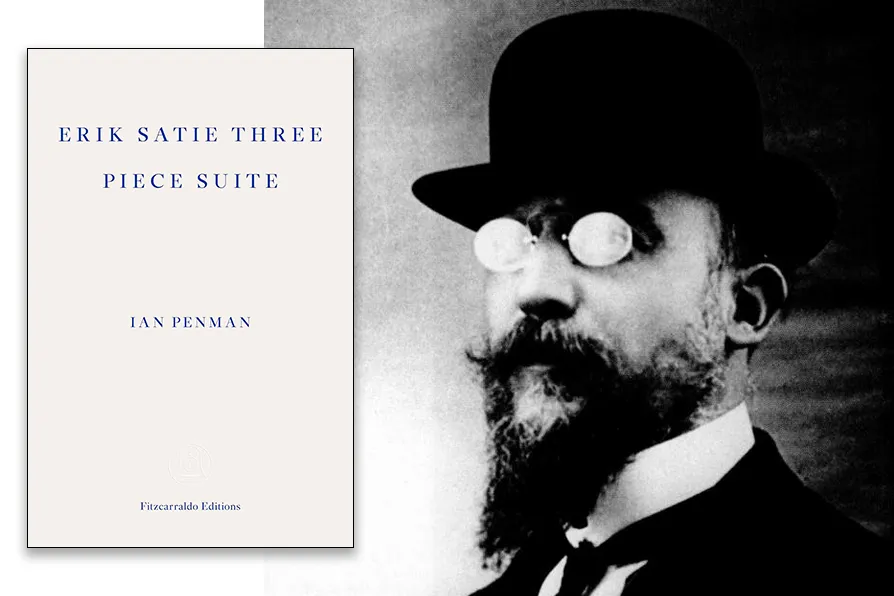
ANDY HEDGECOCK relishes an exuberant blend of emotion and analysis that captures the politics and contrarian nature of the French composer
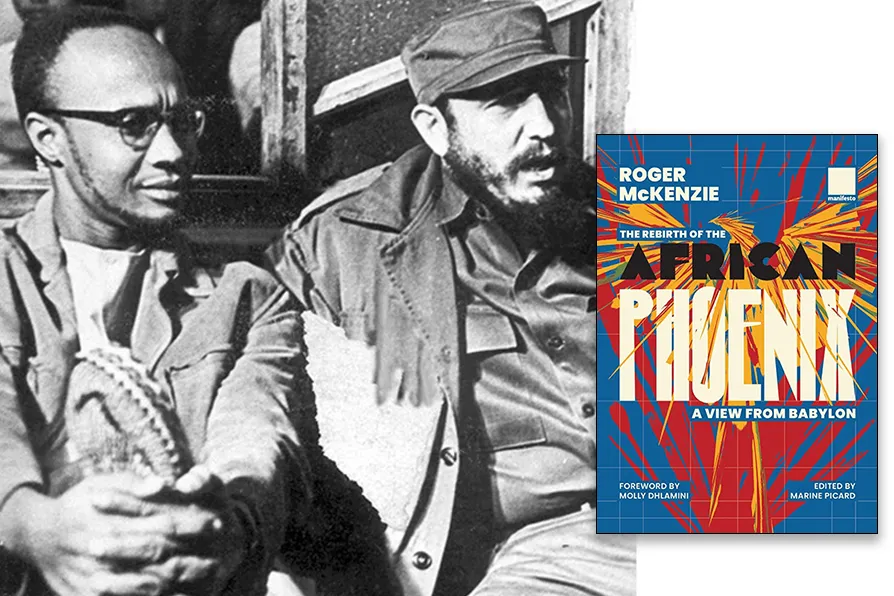
MOLLY DHLAMINI welcomes a Pan-Africanist and Marxist manifesto that charts a path for Africa’s resurgence