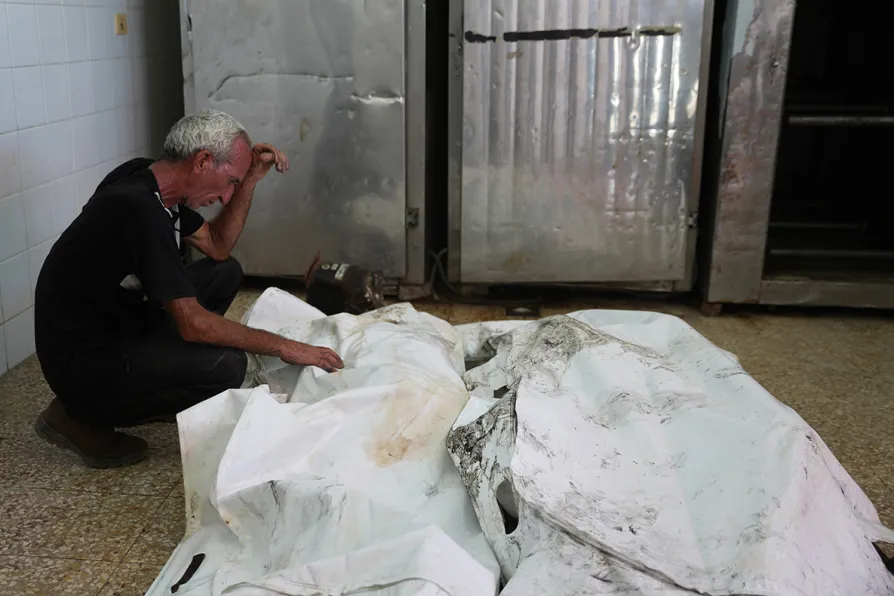
Washington’s inability to subjugate Iran is an example of how it is trying to preserve a regional order that no longer exists, argues RAMZY BAROUD


Asbestos deaths in schools will grow
HANK ROBERTS warns that new research predicts a catastrophic rise in asbestos-related deaths among former pupils and teachers as school buildings deteriorate, bursting the ‘it’s safe if not disturbed’ myth
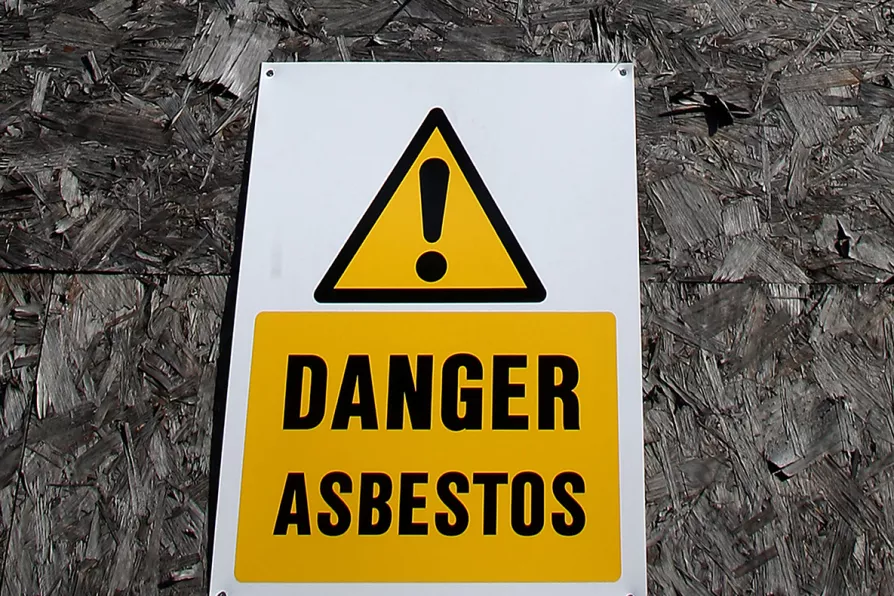
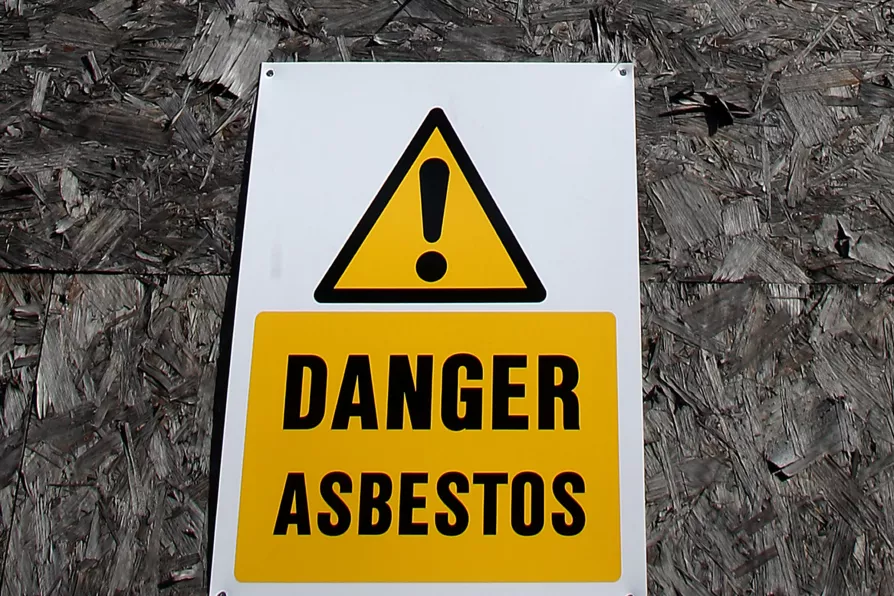
 An asbestos warning sign
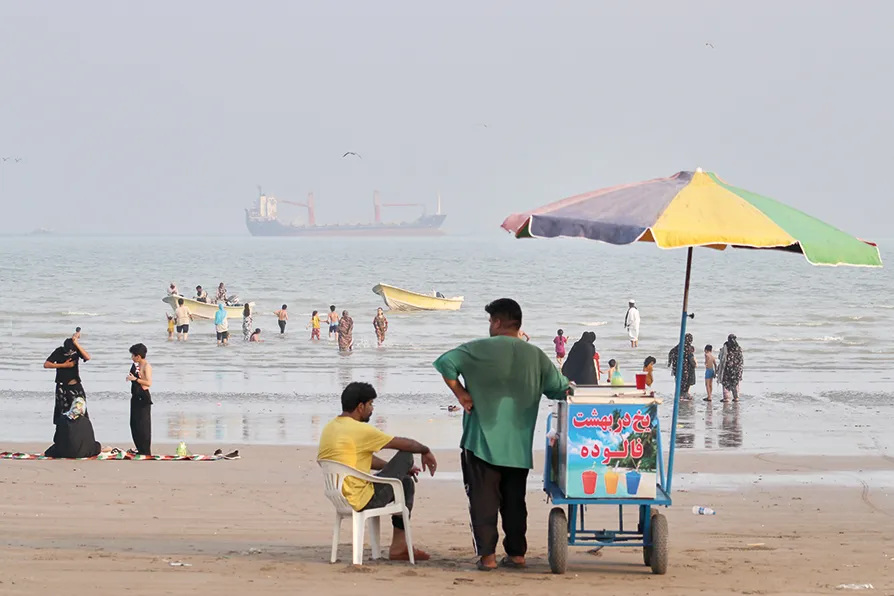
US financial instability is exposing the limits of a dollar-dominated global economy — and giving the Global South a historic chance to build an alternative, says MURAD QURESHI
DOUG NICHOLLS says the parasitic finance markets must be challenged or another British government could be toppled
The late country singer’s Imagination Library has put hundreds of millions of books into children’s hands. We should build on that legacy by defending the libraries at the heart of our communities, says BRENDA AITCHISON
Deprivation is a fundamental factor in criminal behaviour that must be addressed but, KENNY MacASKILL argues, there needs to a major rethink in sentencing to tackle overcrowding
MML director MEIRIAN JUMP outlines the recently refreshed library’s busy autumn schedule that ranges from book sales, archival exploration, community work with online education and the ever popular site tours
TONY BURKE surveys the shifting political landscape and the challenges Labour needs to address if it is to prevail in the 2028 federal elections





ASBESTOS is the biggest killer industrial disease in Britain. It has the highest rate of mesothelioma deaths in the world. Over 5,000 are killed by asbestos disease every year — equivalent to one Grenfell-sized death toll every five days.
It is incurable. It is a terrible death. A death by slow suffocation due to an ever-increasing shortness of breath. Most victims die within 12 months. Some can linger for longer, just prolonging absolute misery and agony. It normally has a long latency period of between 30 to 50 years. Children are more susceptible than adults.
It was stunning to see on the front page of the Daily Mail (October 21) the headline “‘Tsunami’ of Asbestos Deaths in Schools” and the subheading, “Hundreds of thousands of former pupils and teachers could die, claims shock new report.”

Similar stories
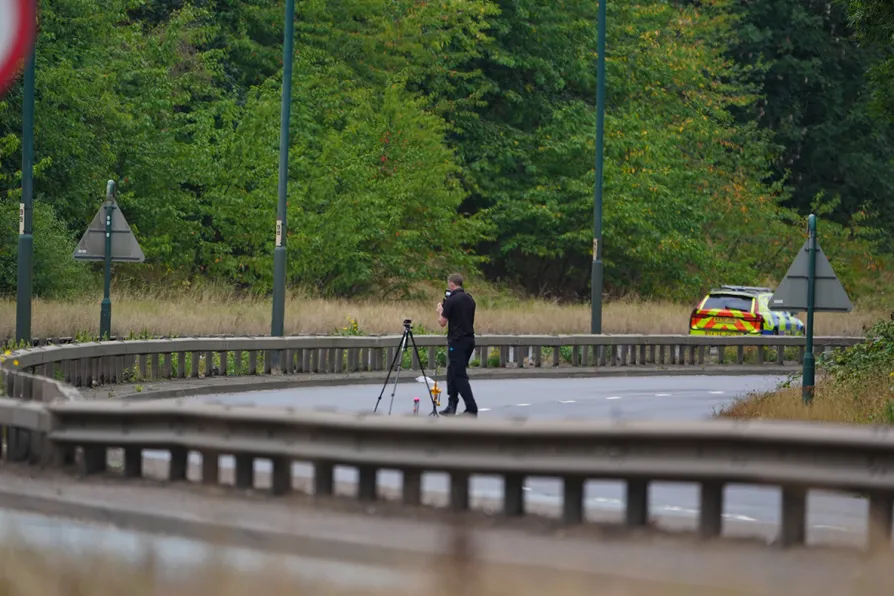
The five young men killed in the A66 crash were responsible for a devastating tragedy — but the crash should force us to ask difficult questions about wider society, argues RENATA MEDEIROS MIRRA
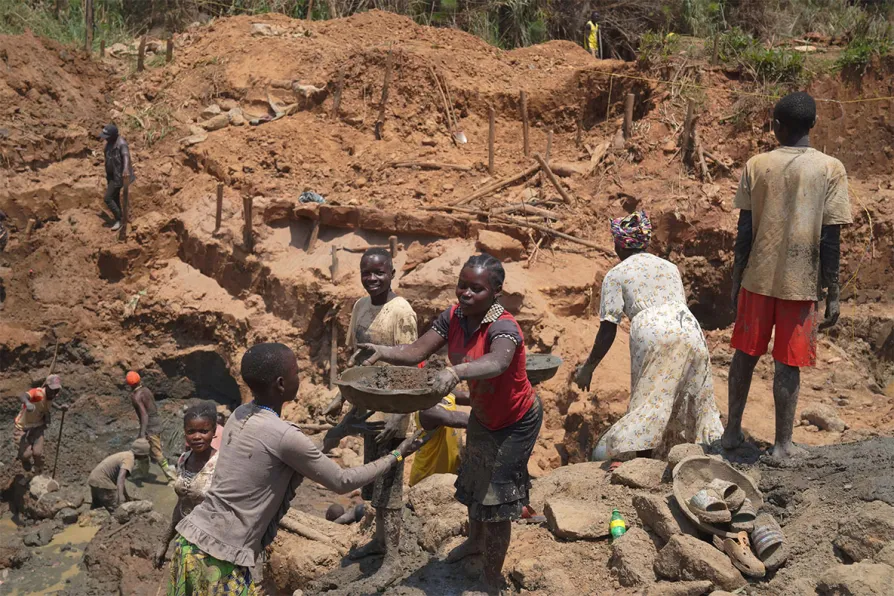
Poverty, refugee displacement, child labour and militia violence are exacerbating the challenge of health workers to limit this deadly contagious disease. CONSTANT SAME BAGALWA and MARK BANCHEREAU report