
Chris Searle speaks to US pianist RAN BLAKE


Translating fiction: a moral case for AI?
ANDY MIAH advocates the use of AI to assist people by expanding access to global literature and culture
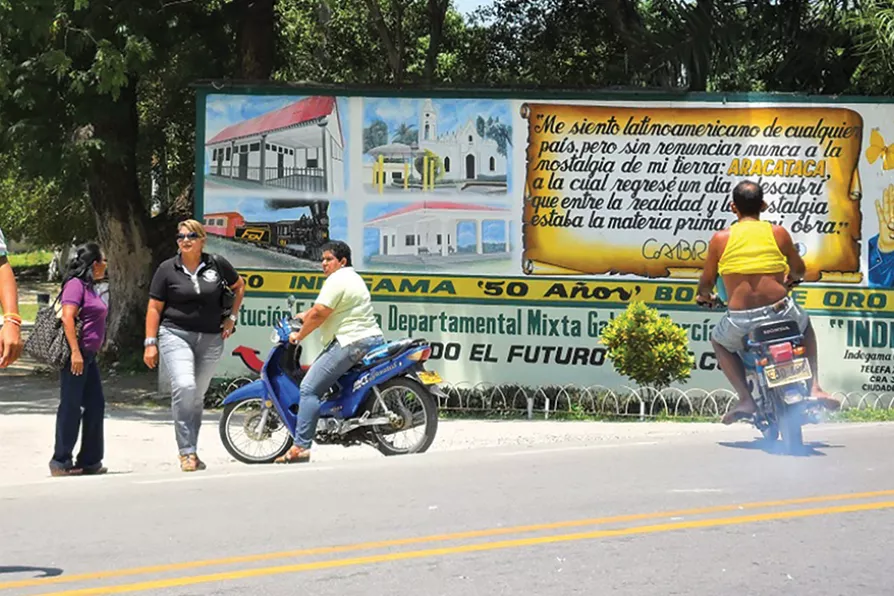
 FOREVER BEYOND AI? Garcia Marquez mural in Aracataca, Columbia: “Wherever I am in the world I am Latin American, but I always feel nostalgia for my homeland, Aracataca; and when I come back I find - in between nostalgia and reality - the raw material of my work.”
[Tim Buendia/CC]
FOREVER BEYOND AI? Garcia Marquez mural in Aracataca, Columbia: “Wherever I am in the world I am Latin American, but I always feel nostalgia for my homeland, Aracataca; and when I come back I find - in between nostalgia and reality - the raw material of my work.”
[Tim Buendia/CC]
EWAN CAMERON trawls the Edinburgh fringe for new political drama
In a season of Greek mythology NIAMH THORNTON looks at an intriguing relocation of Medea to contemporary Mexico
By chance, RENATA MEDEIROS MIRRA comes across a fine new two hander about the enduring legacy of the Miners' strike
Rescue care from the realm of sentimentality: what happens when we replace the vertical relationship between benefactor and victim with interdependence, collective organisation and struggle?
New releases by Interpol, Phoebe Bridgers, Lambchop





NEWS that Dutch publishing house Veen Bosch & Keuning (VBK) has confirmed plans to experiment using AI to translate fiction has stirred up a thought-provoking debate.
Some believe it marks the beginning of the end for human translators, while others see this as the opening up of a new world of possibilities to bring more literature to even more people. These arguments are becoming increasingly vocal as the advance of AI accelerates at an ever-increasing rate.
Fiction translation, with its intricate language, emotional undertones and nuances, has traditionally been the domain of skilled human translators.

Similar stories
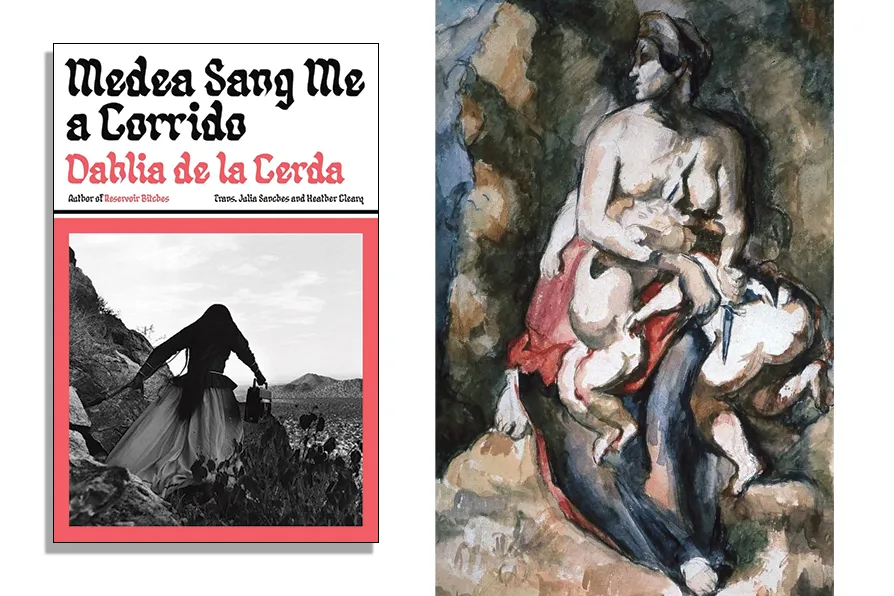
In a season of Greek mythology NIAMH THORNTON looks at an intriguing relocation of Medea to contemporary Mexico
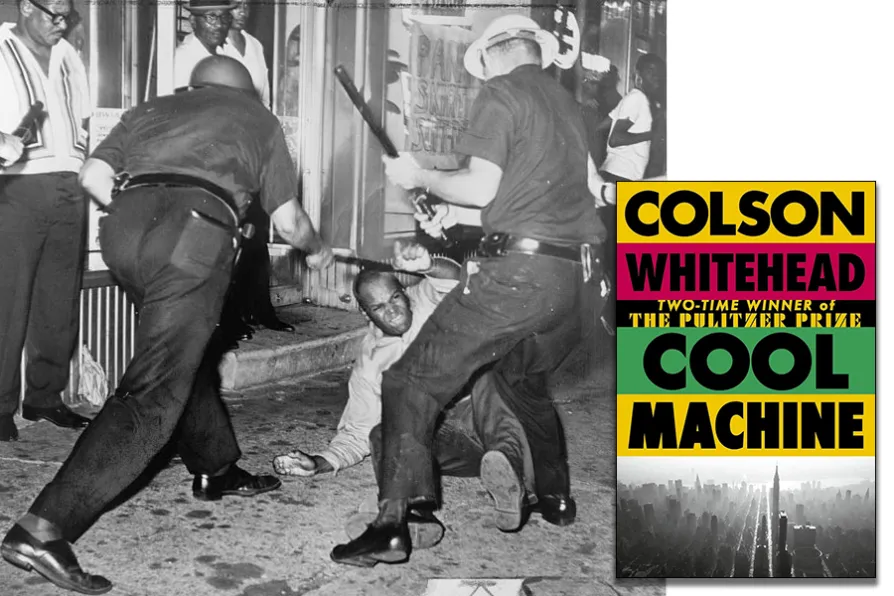
DOUGLAS FIELD relishes the hard-boiled language, satire and humour of the third and last of the Harlem trilogy
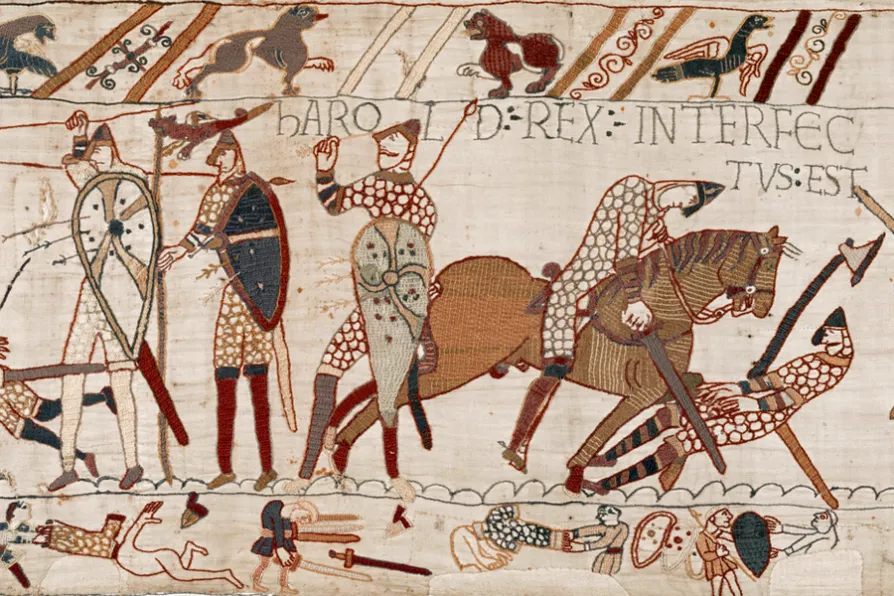
STEPHANIE BROWN draws attention to the hidden labour of the female embroiderers, and how a 19th century replica made no such error
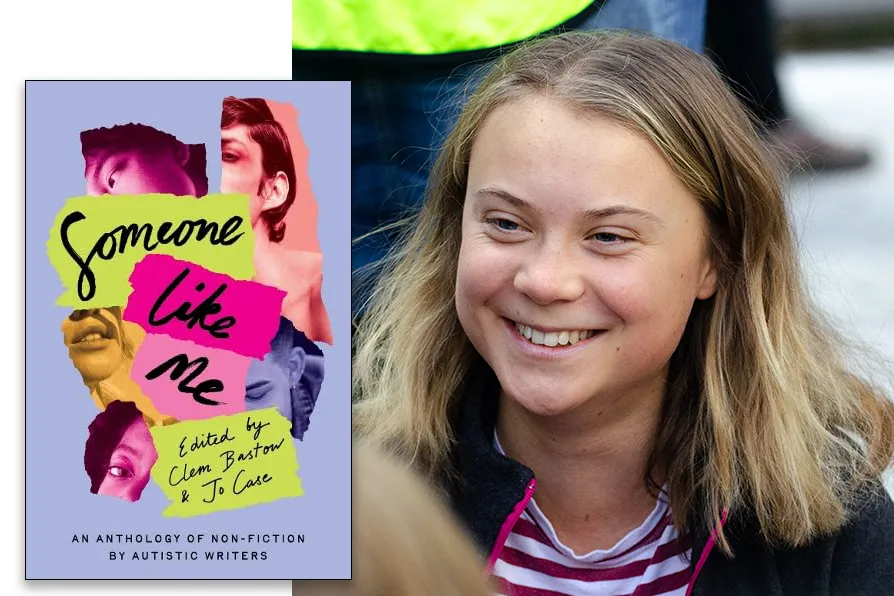
JOSEPHINE BARBARO welcomes a diverse anthology of experiences by autistic women that amounts to a resounding chorus, demanding to be heard