Committee for the Defence of the Iranian People’s Rights general secretary GAWAIN LITTLE discusses the impact of the US-Israeli war on the Iranian people and economy


 Latest editorial

The human costs of hydrogen, the ‘fuel of the future’
Natural hydrogen gas could be a replacement for fossil fuels, but its extraction could see developing nations face familiar patterns of land loss and resource theft, write ROX MIDDLETON, LIAM SHAW and MIRIAM GAUNTLETT
 FUTURE FUEL: A hydrogen sports car at the Brussels auto show, January 10 2025

Capitalism has extracted itself from crisis before, argues PRABHAT PATNAIK – but through methods no longer available. So it is turning to authoritarianism, militarism and neocolonialism
The five young men killed in the A66 crash were responsible for a devastating tragedy — but the crash should force us to ask difficult questions about wider society, argues RENATA MEDEIROS MIRRA
Britain funds the policing of black culture 16 times better than the culture itself. The Diamond Jubilee is the moment to end that, argues CLAUDIA WEBBE
Despite Andy Burnham’s declaration defending the continued partition of the island, all major international and internal trends are converging to make Irish reunification inevitable
Humans are part of the ‘animal kingdom’ – and of nature in general – but also distinct from it and labour (work) is part of what makes us unique, declared Engels. His insights 150 years ago into how our species came to be and how we differ from the rest of nature, are as important today as they were then, says the MARX MEMORIAL LIBRARY





AS the world’s supply of fossil fuels continues to dwindle, corporations and governments have turned their attention to searching for replacements for coal, oil and gas. We have long been familiar with renewable, green energy sources like solar, wind or hydroelectric power. Looming silently in the background of all these potential solutions is hydrogen gas.
Hydrogen, the most fundamental element in the universe, is the origin of all solar energy. As well as providing us with heat and light through nuclear fusion processes in the sun’s core, hydrogen has many uses for energy production and storage.
Like electricity, hydrogen is an “energy vector” — an energy-rich substance that facilitates the translocation and/or storage of energy to be released at a later time or at a distance from the primary capture site.

Similar stories
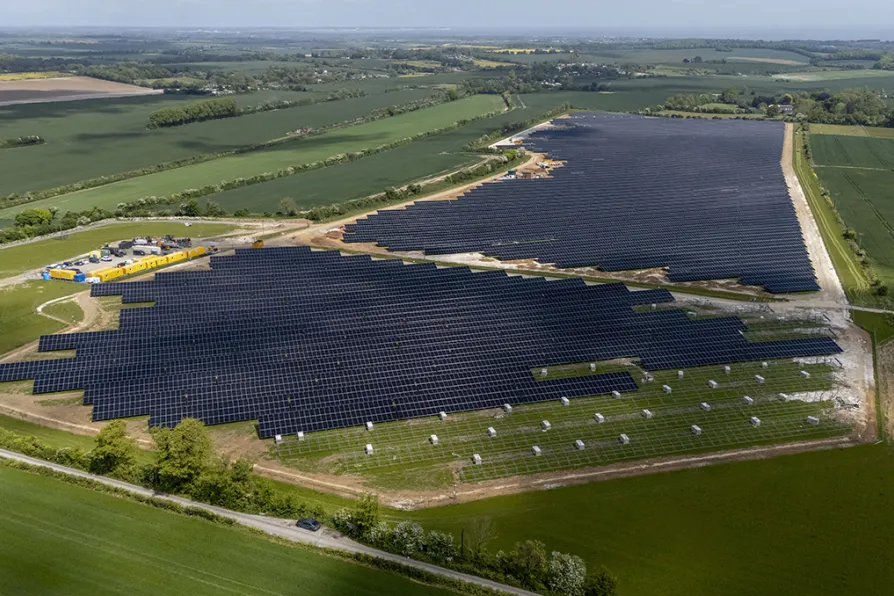
The left needs a bold energy vision – because if it fails to provide one, others will shape the future in their own interests, argues ALAN SIMPSON
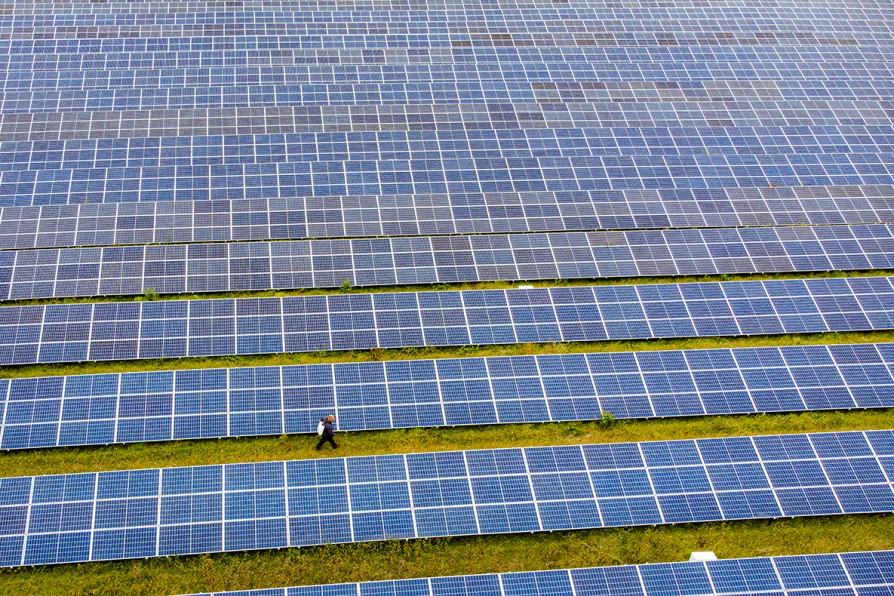
In the third of a four-part serialisation from her new book No to Nuclear, LINDA PENTZ GUNTER explains how the world had a chance to build an energy system around renewables more than 70 years ago — instead, it chose nuclear
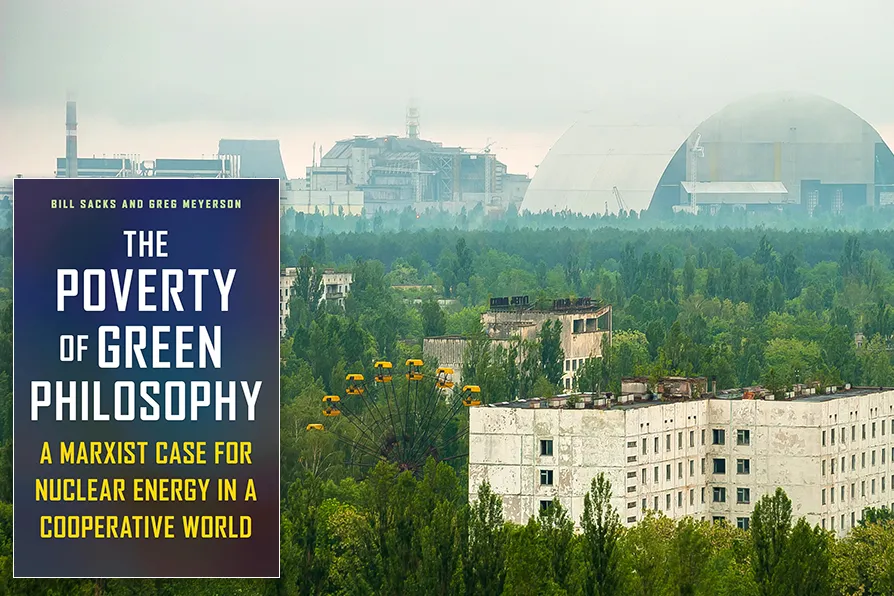
BRENT CUTLER welcomes a valuable contribution to discussions around the need to de-carbonise energy production
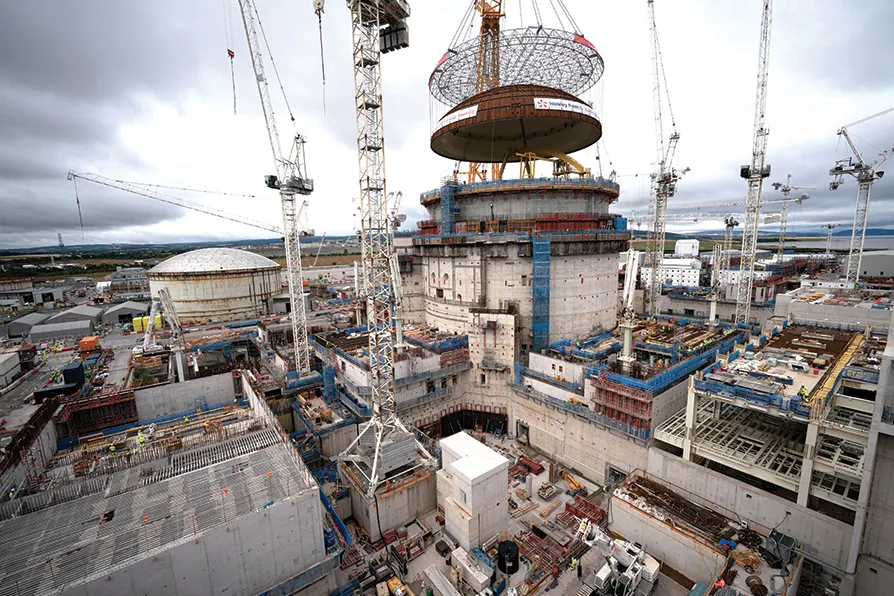
The Communist Party of Britain’s Congress last month debated a resolution on ending opposition to all nuclear power in light of technological advances and the climate crisis. RICHARD HEBBERT explains why