In the wake of his recent humanitarian visit to Cuba, RICHARD BURGON points to the now urgent need to defend the island’s political sovereignty and its right to self-determination


 Latest editorial
Women prove their worth
In the third extract from her new memoir, former NUM headquarters staffer HILARY CAVE recounts how women throughout the striking coalfields showed their mettle when the going got tough
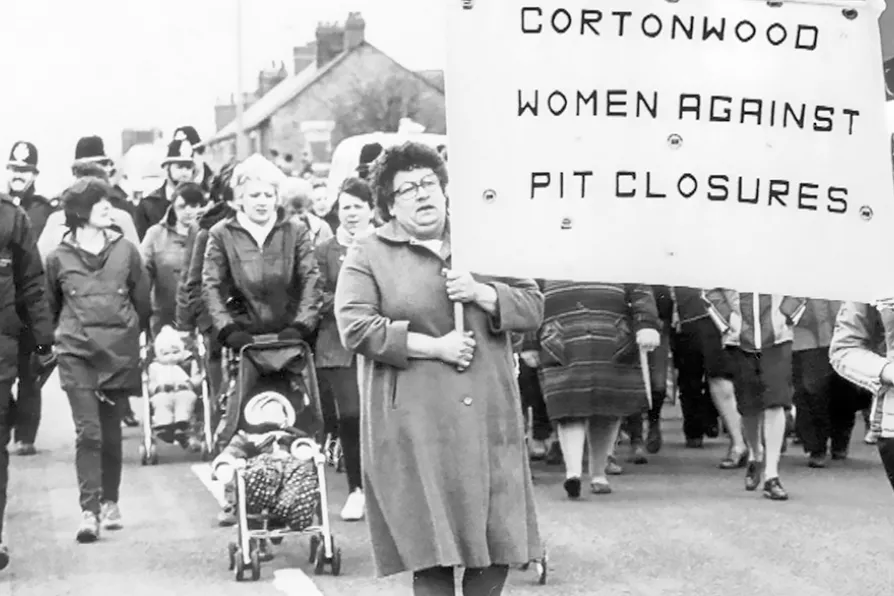 LOYAL TO THE BITTER END: Women walk past Cortonwood pit as the miners strike draws to a close
Thousands of jobs are at risk across higher education, yet government funding appears only when universities can be linked to military objectives, says JO GRADY, in the run-up to the Stop the War International Conference this Saturday
The Wye, Usk, Arrow and Lugg were once treasured for their clean waters – today, pollution and corporate excess are fuelling demands for a return to public ownership, says MARK SEDDON
The new Employment Rights Act is a step forward, but restoring collective bargaining and union power remains essential to tackling insecurity, outsourcing and low pay, says PAUL WHITEHOUSE
Rising support for Farage’s party reflects Labour’s failure to defend working-class living standards or offer a credible alternative to neoliberal decline, says JOSEPH MILLS
Trade unionists are mobilising to support Cuban workers and public services, amid escalating US pressure on the socialist island. RONAN OGILVY explains





ONCE the strike began grassroots women’s groups started to grow in the coalfields. They set up communal kitchens and prepared food parcels, persuading food shops to offer discounts for their bulk-buying operations.
Local shops, whether independents or branches of large chains, had an interest in offering such discounts in strike areas because their takings had plummeted once miners had little or no income.
Soon the sheer scale of need, with their children hungry and needing new clothes, forced the women’s groups to expand their activities. They began hunting for donations of second-hand clothes, shoes, children’s pushchairs and babies’ bottles.

Similar stories

KEVIN COURTNEY of Stand Up to Racism and JOHN PAGE of the Ella Baker School of Organising announce a joint project aiming to unite trade unions and social movements in creating new narratives to fight the divisive rhetoric of the far right
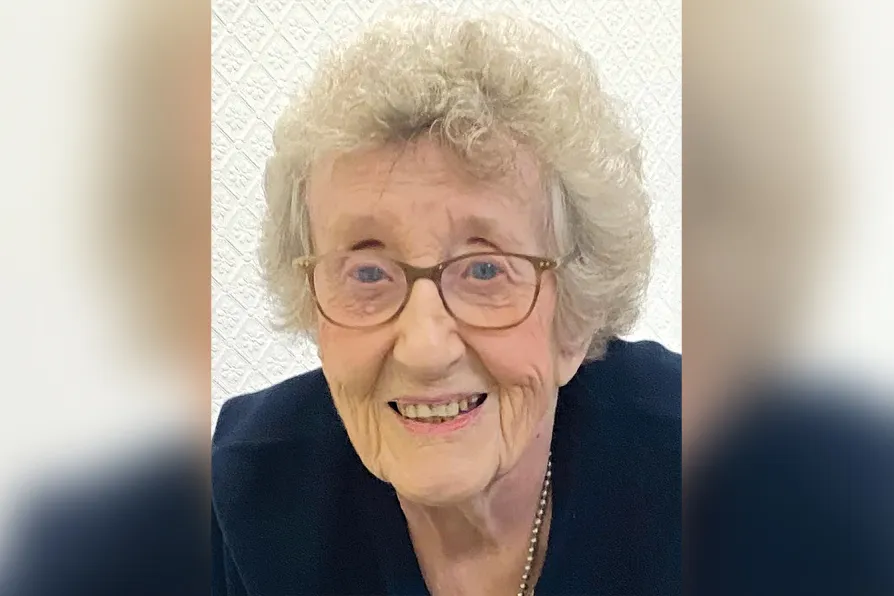
Maggie Bowden was a trailblazing campaigning lawyer at Birnberg and Thompsons, women’s organiser of the Communist Party, and general secretary of Liberation
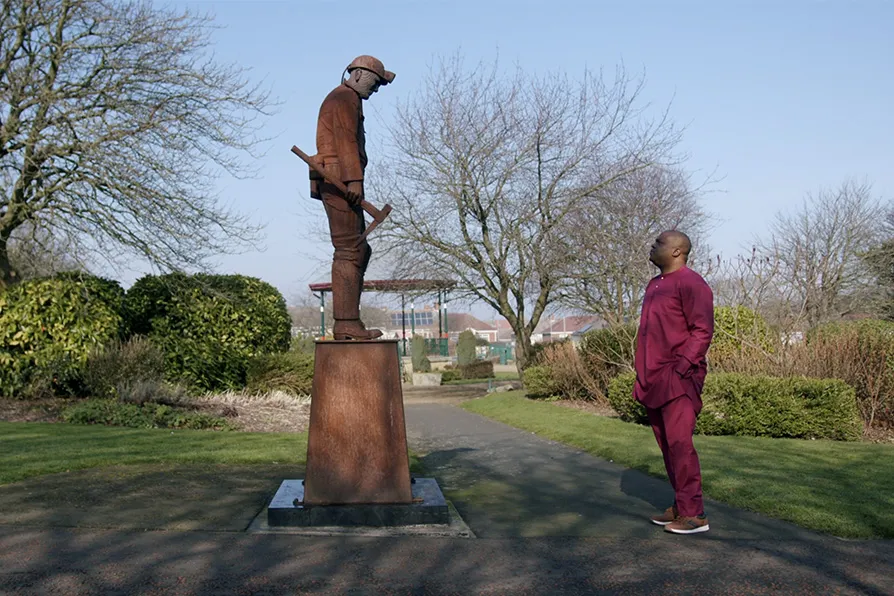
MIKE QUILLE applauds an excellent example of cultural democracy: making artworks which are a relevant, integral part of working-class lives
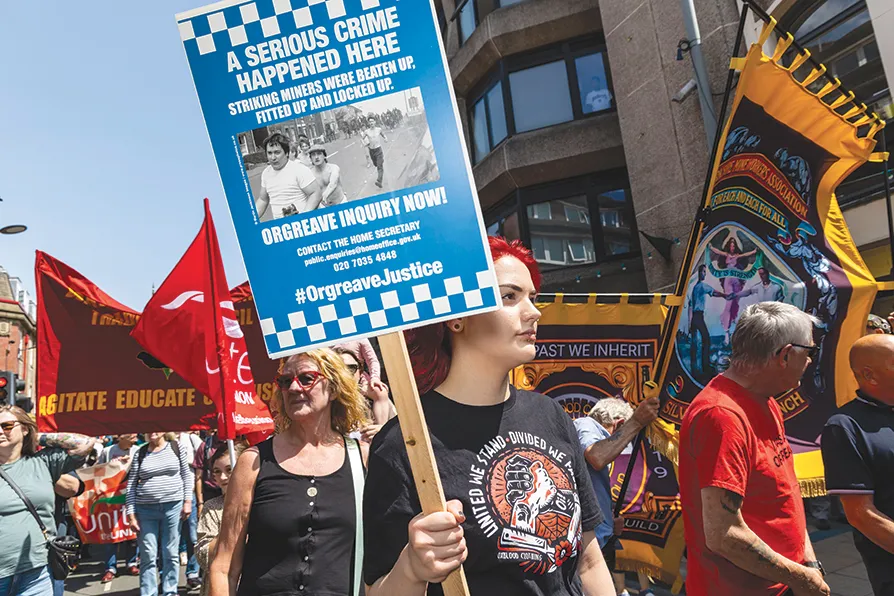
The Home Secretary’s recent letter suggests the Labour government may finally deliver on its nine-year manifesto commitment, writes KATE FLANNERY, but we must move quickly: as recently as 2024 Northumbria police destroyed miners’ strike documents