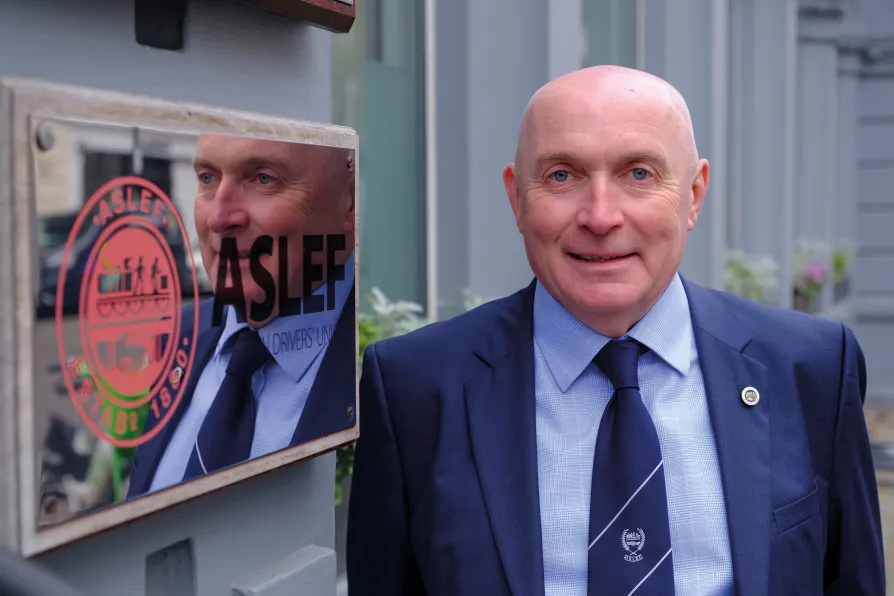
DAVE CALFE, general secretary of Aslef, the train drivers’ trade union, writes exclusively for the Morning Star as the union’s five-day annual conference opens in Birmingham


 Latest editorial

Where next for Chile’s embattled constitution?
GUILLERMO TEILLIER, president of the Communist Party of Chile, explains to Hugo Guzman why, despite compromises made with the opposition, the government's constitutional reform process is still a priority for the left
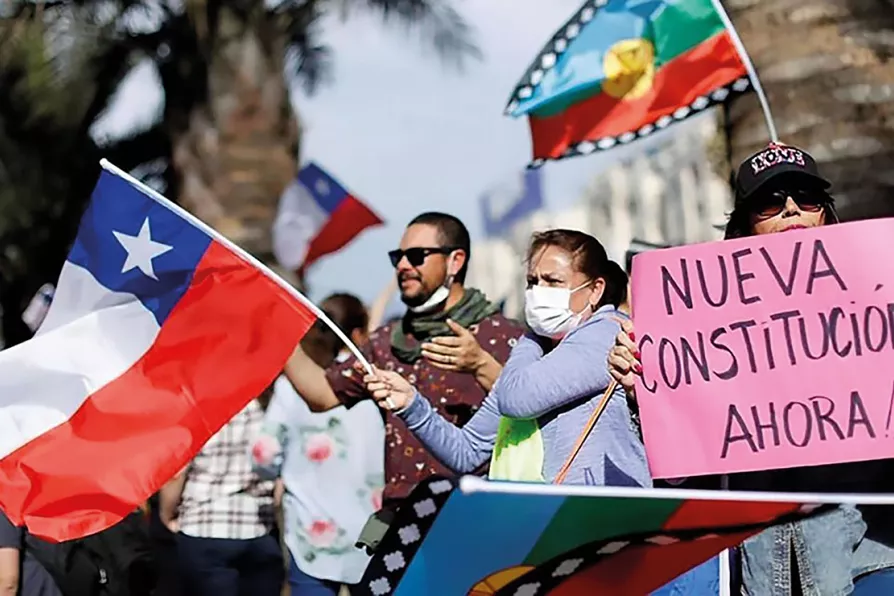 [jpereira.net / Creative Commons]
Election of a new leadership at Hadash’s convention signals a renewed effort to forge a broad Arab-Jewish alliance in Israel, says AMNON BROWNFIELD STEIN
HENRY FOWLER, national co-ordinator for General Strike 100, continued his nationwide tour of partner organisations by joining campaigners and trade unionists in Brighton for the unveiling of a new blue plaque and a full day of commemorative events marking the centenary of the ‘Battle of Lewes Road’
The FBU leader speaks to Ben Chacko about cuts, collapsing Starmerism and confronting the far right
The collapse of Streeting’s leadership challenge and an opening for Burnham’s potential path back to Parliament have accelerated the battle over what – if anything – Labour still stands for, writes ANDREW MURRAY
ANSELM ELDERGILL examines the relationship between law and the humanities





Do you agree that the political agreement signed by the ruling and opposition parties is imperfect?
I believe that for the almost five million voters, over 38 per cent on a turnout of nearly 98 per cent, who voted for the new constitution with enthusiasm and conviction, this agreement is insufficient, imperfect and far from our expectations.
The questions arising from the agreement are the excessive role of “experts,” the distortion of representativeness by electing councillors for the new commission by the system used to elect the senate and the lack of precision in defining citizen participation. So why did the Communist Party remain in this negotiation — and why did it sign it?
As things stand, we must be prepared to take part in the 50-member “group of experts” that will redraft the constitution, because the government parties and other progressives will be represented on it.

Similar stories
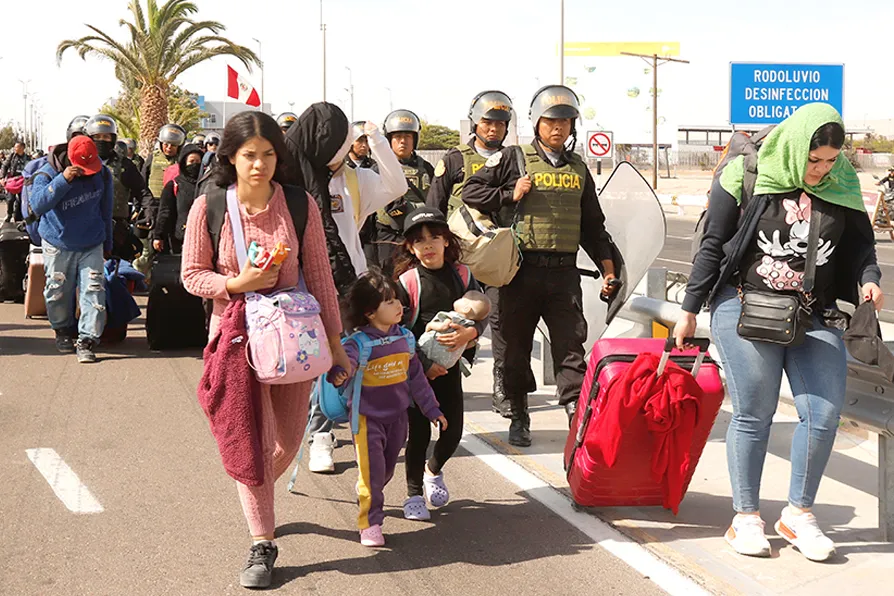
Far-right forces are rising across Latin America and the Caribbean, armed with a common agenda of anti-communism, the culture war, and neoliberal economics, writes VIJAY PRASHAD
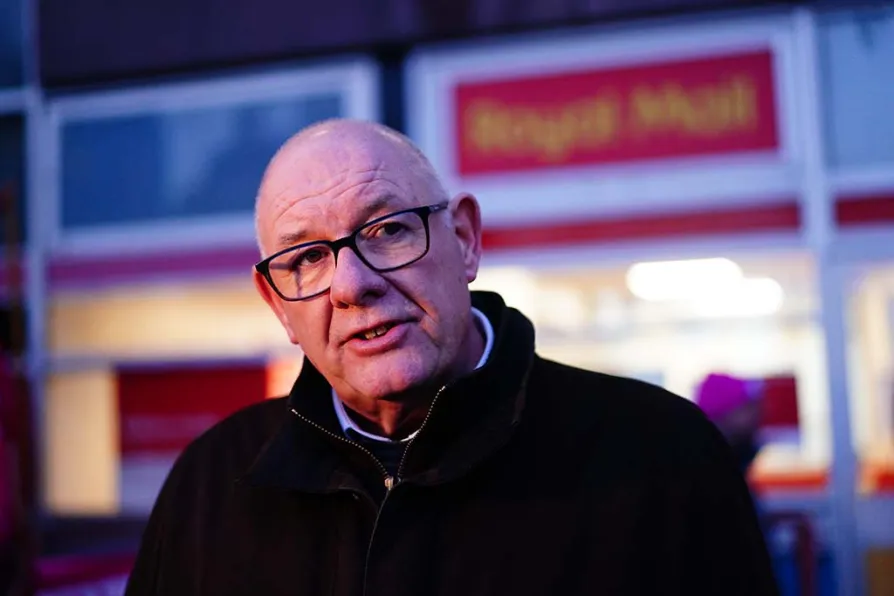
CWU leader DAVE WARD tells Ben Chacko a strategy to unite workers on class lines is needed – and sectoral collective bargaining must be at its heart
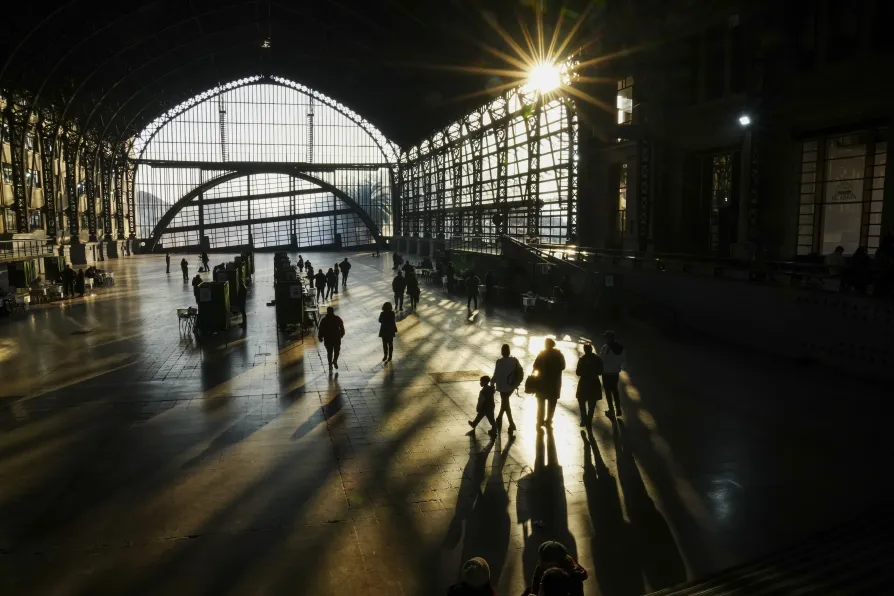
Communist Party presidential candidate JEANNETTE JARA challenges the Chilean left to stop talking only among comrades and reach out to angry voters abandoned by politics in the race against the far right this November
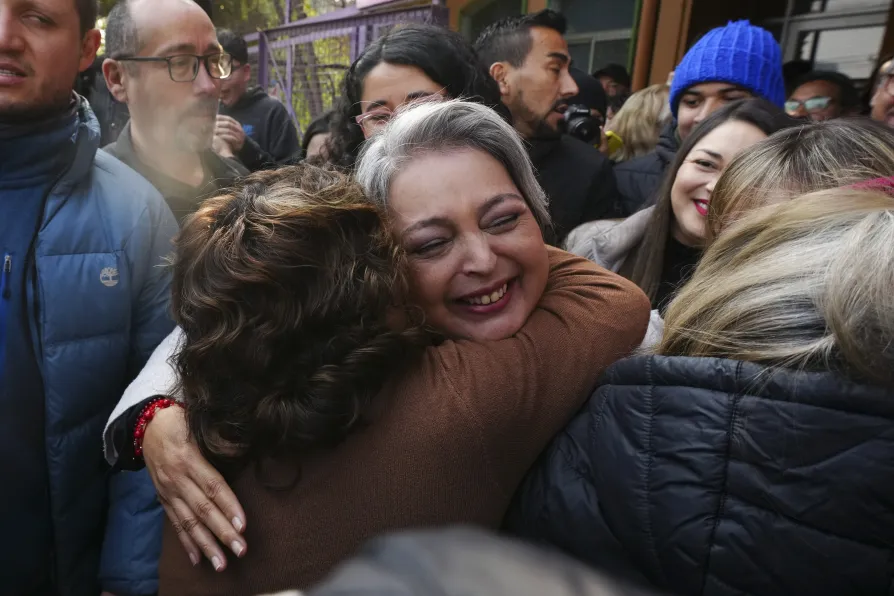
For the first time in years, the dominant voice within Chile’s official left comes not from neoliberal centrists but from the world of labour, writes LEONEL POBLETE CODUTTI