WILL STONE samples the 20th anniversary atmosphere of this eclectic end-of-season indie festival


 Latest editorial
The untapped potential of community theatre
ANGUS REID applauds the potential of an ambitious show about Gaza, and encourages it to keep its nerve
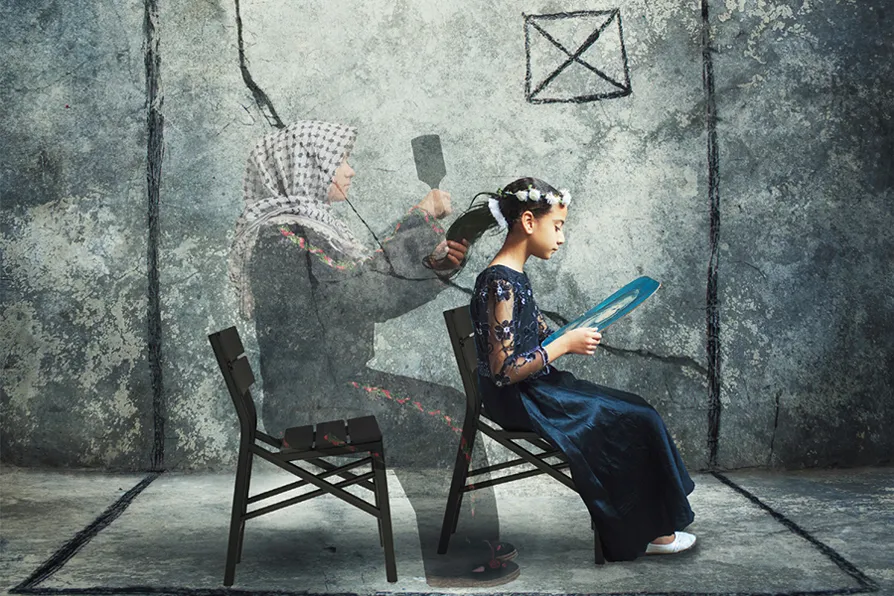 [Pic: Courtesy of Art27 Scotland]

Comics are not just superheroes and spandex – it can be public art, telling public stories, suggests HARRIET EARLE
The bard serenades the Diggers of Wigan and their festive followers
ALEXEI SAYLE speaks to Angus Reid about a lifetime of protest, how to hone political art – and what to do now
ANDY HEDGECOCK, JAMES WALSH, LEO BOIX and MARIA DUARTE review Just An Illusion, Everybody Digs Bill Evans, Blue Film, Oasis: Don’t Look Back in Anger, and Runner
MARIA DUARTE recommends a nerve-wracking reconstruction of the 72 hours before the Normandy landings





The Gazan Women
Scottish Storytelling Centre, Edinburgh
★★★☆☆
IS community theatre critic-proof? Do those good intentions and best efforts by a non-professional cast place them beyond reproach? Do we as an audience have no escape from obligatory solidarity?
There’s a kind of coercion going on in Art27 Scotland’s production, The Gazan Women, that leaves you uneasy.
While the concept is excellent — to take The Suppliants, Aeschylus’s drama of women escaping persecution and seeking refuge in a foreign state, and to update it to Gazan refugees in Scotland — the script and direction seem inadequate. If that’s too harsh a word, then at least insufficiently developed.
There’s a playful, fairytale quality to the set up. The convivial Ghazi Hussein, himself a Palestinian from the West Bank, acts as oriental vizier to the Scottish authority, a “king” played with an aristocratic mixture of concern and urbane detachment by Alan Caig Wilson. There’s a coup de theatre when the backstage curtain is drawn back to reveal a window crammed with refugees who invade the stage. And there’s a sense of the dialectic of classic Greek drama — we the audience will need to make a decision, like a jury, and the fate of these people rests on our consent.
All this sets up dramatic potential, but over the next two hours it is squandered, as though the enterprise had lost its nerve.
In Aeschylus the women are foreigners and pursued by those who wish to claim them and rape them. To create a script the co-writer Farah Ashour conducted interviews in Gaza itself, interrogating what life was like before genocide and after, and whence comes their sense of strength, dignity and normality.
This becomes a list of more or less familiar and homogenous responses that the cast struggle to invest with the individuality of the people interviewed. The ones who succeed best are the kids, Rayyan Mustapha, Mila and Mourad Ebied, along with the only exclusively Arabic-speaking woman in the cast whose words need onstage translation, a convention that works perfectly.
But this list of comments, authentic as their provenance might be, feels filtered and sanitised. The women just want to be wives in patriarchal households. No-one has an atom of political insight. The word Hamas is entirely absent, even if the word Zionist creeps in.
And yet — as the size of the audience and the sold-out run demonstrate — this production lands full-square within a genuine public hunger for theatre that reports from Gaza.
Why not allow the otherness of the women to un-nerve us? Why make them compliant and submissive rather than independent minded and revolutionary? The more we are unsettled then the more significant becomes the choice (or not) to give them refuge, the choice we are invited to make.
There is huge potential here, with this strange and fascinatingly varied cast, to go beyond even the issue of Gaza and to make a show that tests something deeper still and more urgent: the public capacity for hospitality. I, for one, hope that this company can step beyond sentimentality into something dramatic and important.
Runs until May 17. For more information see: scottishstorytellingcentre.com

Similar stories
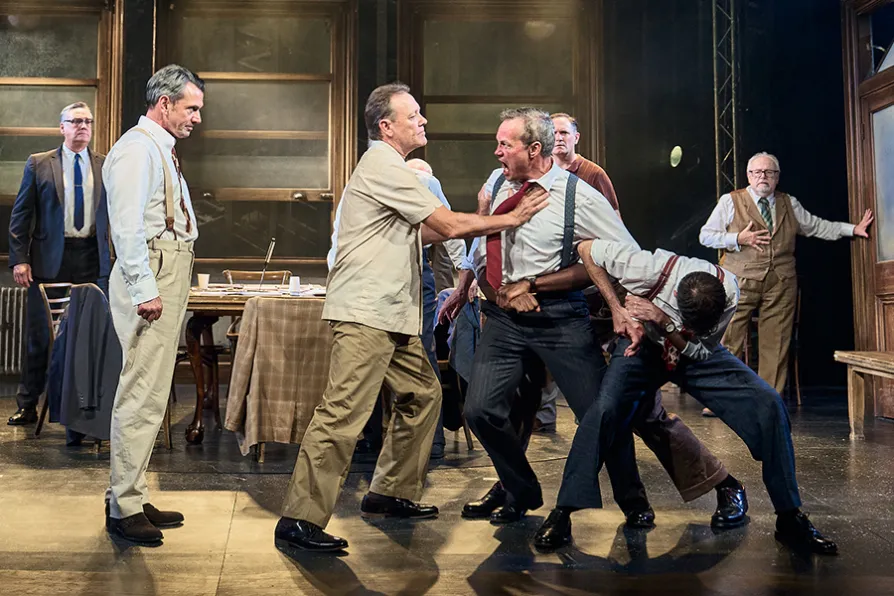
PAUL DONOVAN welcomes a revival of Reginald Rose’s classic play that reminds us of the fundamental need for trials with juries
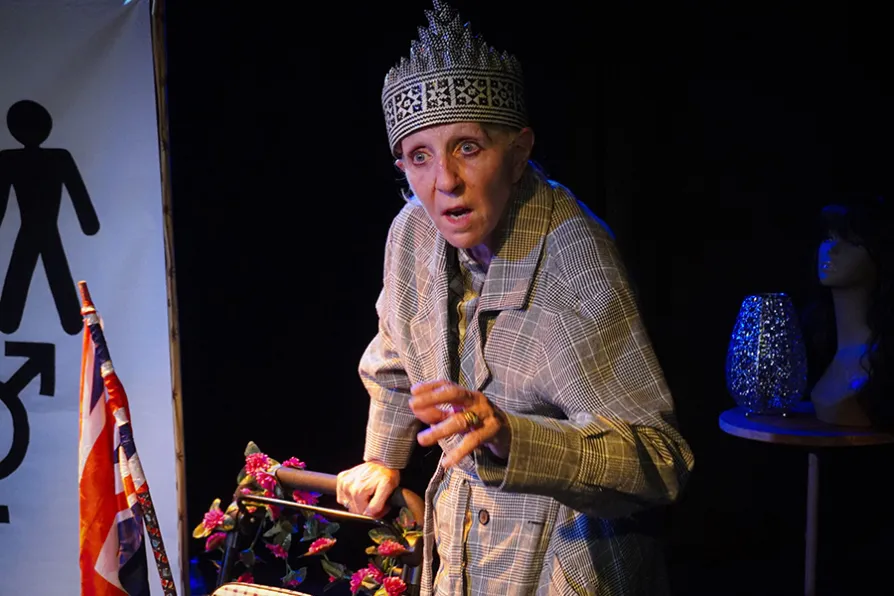
SIMON PARSONS applauds an exceptional performance of Wesker’s little-known play, by the same actor for whom it was written 45 years ago
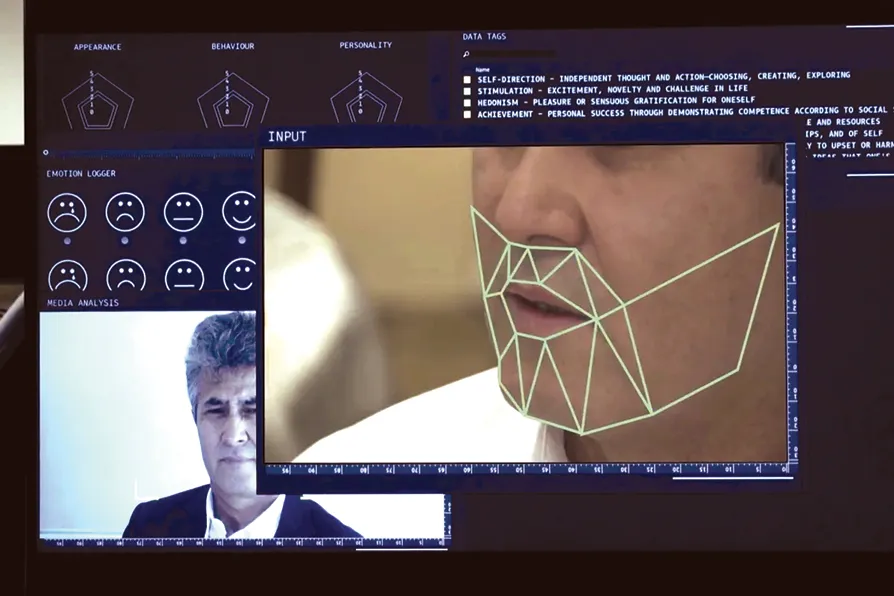
ANDY HEDGECOCK, MARIA DUARTE and ANGUS REID review Synthetic Sincerity, Our Hero, Balthazar, Heartstopper Forever, and A Year In London
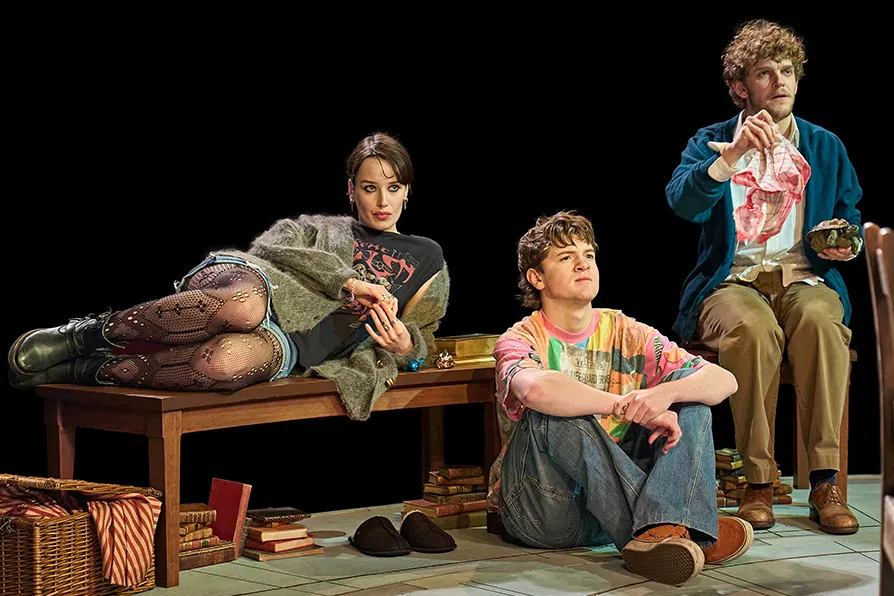
MARY CONWAY becomes impatient with the intellectual self-indulgence of Tom Stoppard in a production that is, nevertheless, total class