
The UK Prime Minister may have the regal touch in northern England, but he’s been wrong-footed on the constitutional challenges posed by the Celtic Alliance of first ministers from Scotland, Wales and Northern Ireland, argues KENNY MacASKILL

No to Nuclear: why nuclear power and nuclear weapons are interlinked threats to humanity
In the first of a four-part serialisation from her new book No to Nuclear, LINDA PENTZ GUNTER outlines the case she will make against this dangerous technology
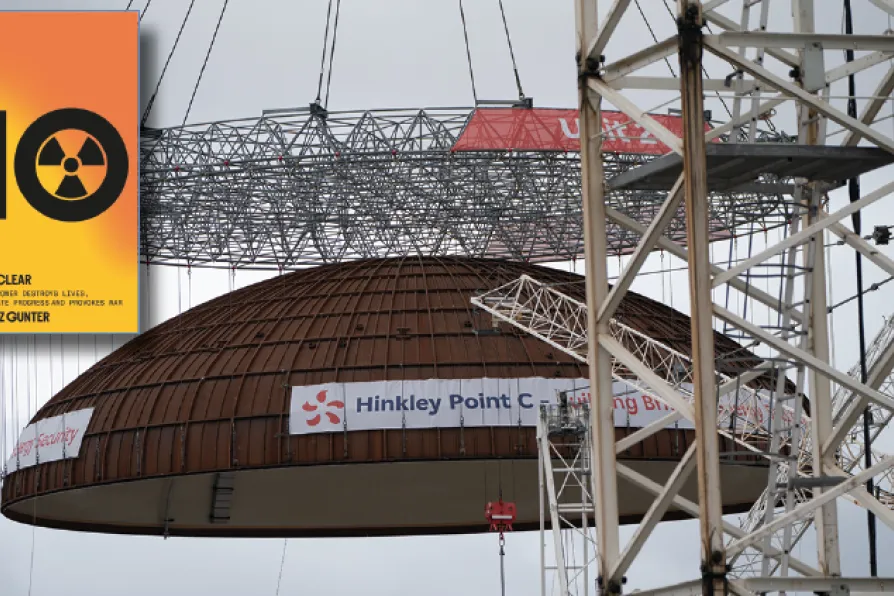

NEIRLAY ANDRADE, a member of the Communist Party of Venezuela’s political committee, outlines her party’s position on the crisis facing the country
A look at Taylor Wimpey’s accounts shows why Labour’s market-led housing strategy won’t deliver more, cheaper homes, as promised, says SOLOMON HUGHES
DAVID HORSLEY remembers the remarkable life and death of US black revolutionary George Jackson, whose politically passionate prison letters were published as Soledad Brother
Cuban trade union federation CTC leader OSNAY MIGUEL COLINA speaks to Ben Chacko about life and work under a crippling US siege
A part of the British empire’s network of slavery, today the Caribbean island of Nevis faces a new form of exploitation in the form of crypto-colonialism, CLAUDIA WEBBE writes
Challenges from the unscrupulous misuse of AI to steal actors’ voice and physical likenesses is being met with a firm union response, writes LYNDA ROOKE





WE FACE multiple threats to our wellbeing and survival, across all sectors of society and among many nations.
Conflict is seemingly everywhere. Working people are struggling while billionaire oligarchs control governments and are intent on destroying democracies. The plundering of our Earth for near-term profit persists, even as the science tells us it is unsustainable and will create an unlivable planet — possibly sooner than any of us imagined.
But beyond the destruction of societal welfare, rampant pollution and even wars lie two existential threats that could end life on Earth as we know it: climate change and nuclear war.
Climate change — now climate crisis — was once viewed as a creeping danger that would gradually destroy our ability to survive. Meanwhile, during the Cold War, our greatest fear was instant obliteration, the result of an all-out nuclear exchange between the world’s superpowers.
Now we must reckon with a new reality. The climate crisis we chose to ignore is upon us, causing the breakdown of essential ecosystems within the web of life much sooner and faster than we predicted.
Nine nations are in possession of nuclear weapons, leaving open the possibility of an all-out life-ending nuclear war, or even a so-called limited one. A nuclear exchange between India and Pakistan, for example, could still result in the collapse of world agriculture and the slow starvation of billions.
Our most urgent priority, therefore, must be to immediately address the climate crisis to prevent its worsening; and to push for nuclear disarmament to avoid a nuclear Armageddon. Both of these challenges are made infinitely more difficult — and I would argue impossible — to overcome due to a single major obstacle: the continued use and proposed expansion of nuclear power as an energy source.
Nuclear power has been given a free pass to date, touted as a climate solution (when, as I argue in this book, it is precisely the opposite), and as a consolation prize for countries who agree never to develop nuclear weapons (as I also argue, access to nuclear power technology only makes nuclear weapons development easier and more likely). As such, the nuclear power elephant, if not removed from the room, will sabotage our quest for survival.
In endeavoring to lay out all of the arguments against the continued use of nuclear power in this book, I seek to follow a path that diverges from the traditional and well-argued tech- nical, scientific and economic analyses. It is time to put the human face on the nuclear power story, to talk about the lives of real people — and of animals too — that have been harmed by this sector.
In doing so, I hope that readers will begin to recognize and empathize with the pain, suffering and above all injustice that has been wreaked upon our fellow human beings and all living things by a profligate industry intent on pleasing its shareholders, not on saving the planet. These corporate and invariably colonialist crimes are the same whether they are committed in the commercial nuclear sector or by the profit-hungry nuclear arms industry.
It should be noted, incidentally, that the same companies who manufacture nuclear weapons are also those who furnish conventional weapons to fuel wars and even genocides such as the one in Gaza. And, ironically, and despite their greenwashing rhetoric, all of the major nuclear power companies are also heavily invested in the continued use of fossil fuels.
I also make the argument that, far from a solution to the climate crisis, as it presents itself, the use of nuclear power can only make climate conditions worse.
The allocation of time and especially the vast funds required — tens of billions of dollars for a single reactor — toward nuclear power strips essential funds from alternatives such as renewable energy.
All the data show that dollar for dollar or pound for pound, more carbon reductions can be achieved faster by investing the same amount in renewable energy instead.
Additionally, the clear pathway that a civil nuclear power programme provides to nuclear weapons development is swept under the rug or denied altogether. Both international treaties that seek to rid the world of nuclear weapons — the nuclear Non-Proliferation Treaty (NPT) and the Treaty on the Prohibition of Nuclear Weapons (TPNW) — afford countries who agree to disavow nuclear weapons “the inalienable right” to “develop research, production and use of nuclear energy for peaceful purposes.” Thus, the back door to nuclear weapons development remains perpetually open.
No to Nuclear is published by Pluto Press, £14.99. Part 2 of this serialisation will appear in tomorrow’s edition.

Similar stories
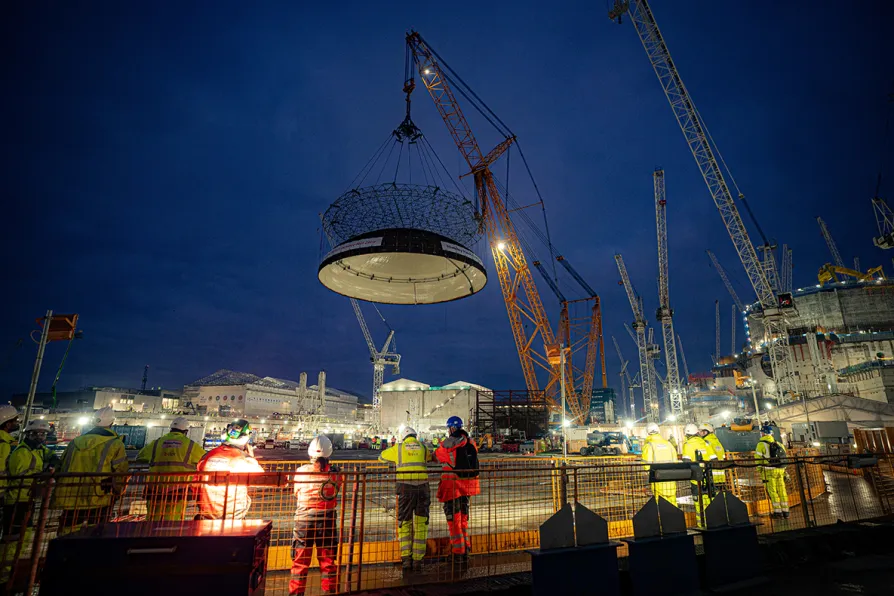
In the fourth and final part of our serialisation from LINDA PENTZ GUNTER’S book No to Nuclear, she asks how anyone can see nuclear as value for money given its constantly ballooning costs
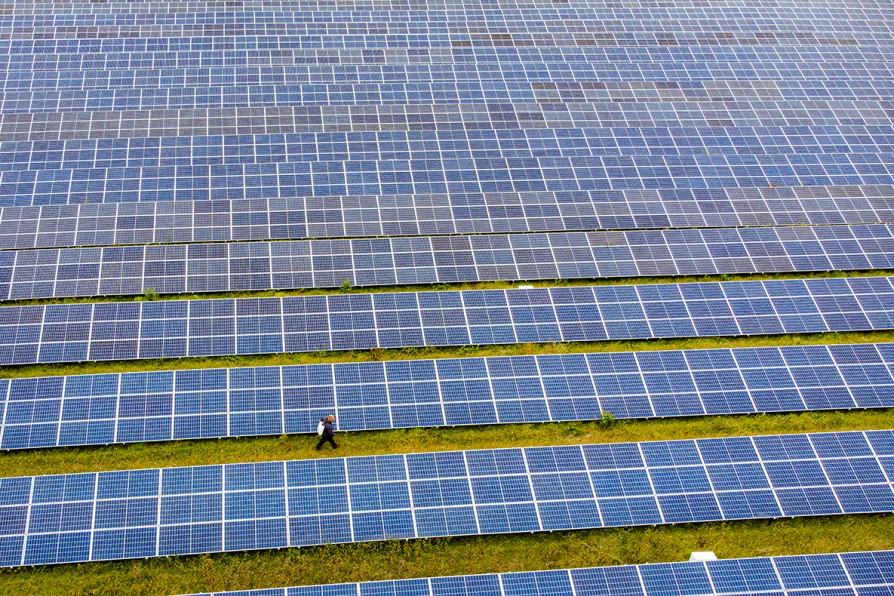
In the third of a four-part serialisation from her new book No to Nuclear, LINDA PENTZ GUNTER explains how the world had a chance to build an energy system around renewables more than 70 years ago — instead, it chose nuclear
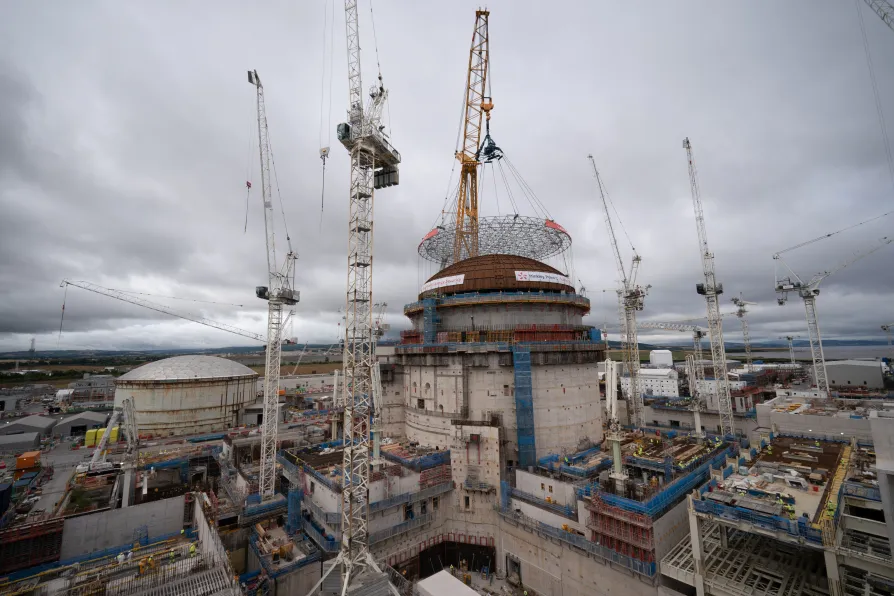
In the second of a four-part serialisation from her new book No to Nuclear, LINDA PENTZ GUNTER highlights how the industry is searching for ways to preserve its relevance
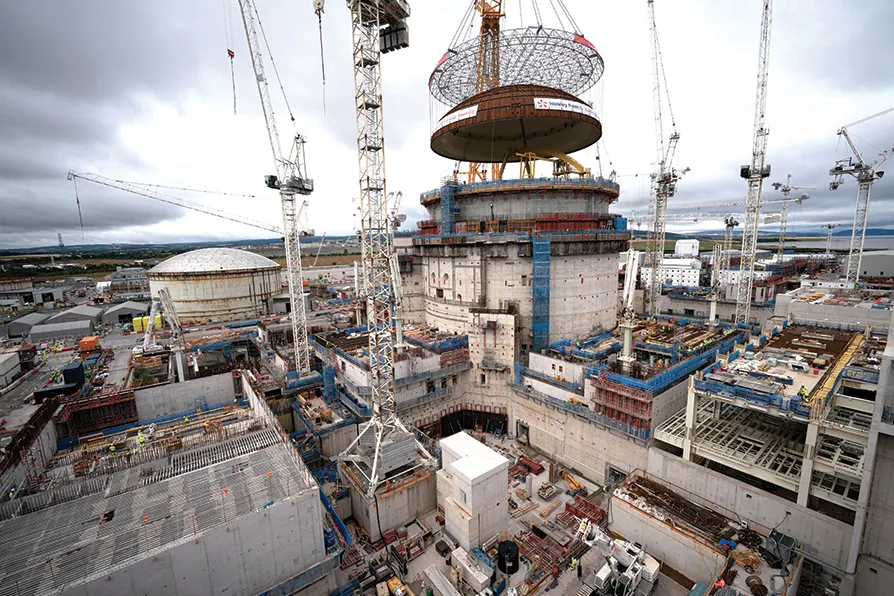
The Communist Party of Britain’s Congress last month debated a resolution on ending opposition to all nuclear power in light of technological advances and the climate crisis. RICHARD HEBBERT explains why