Latest editorial

 The hand of a patient grips the rail of a hospital bed






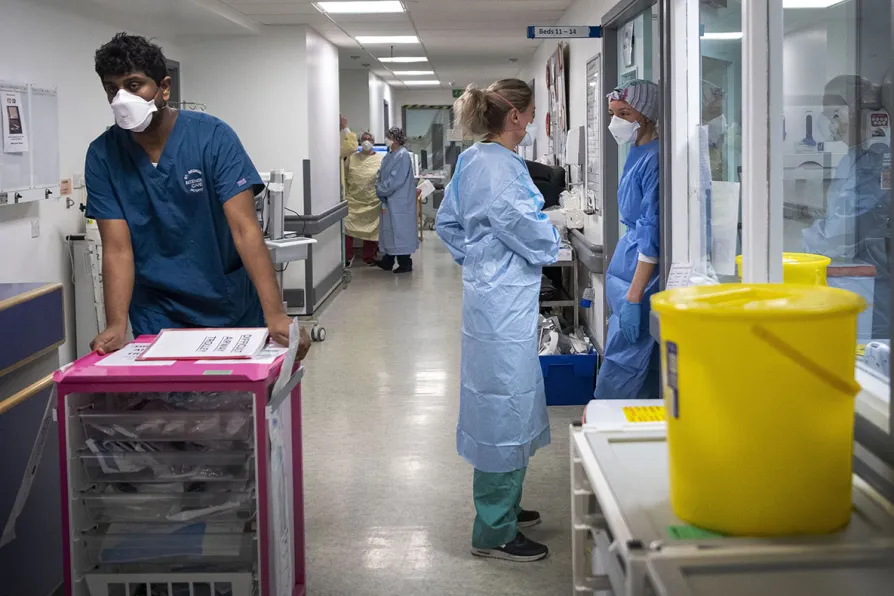
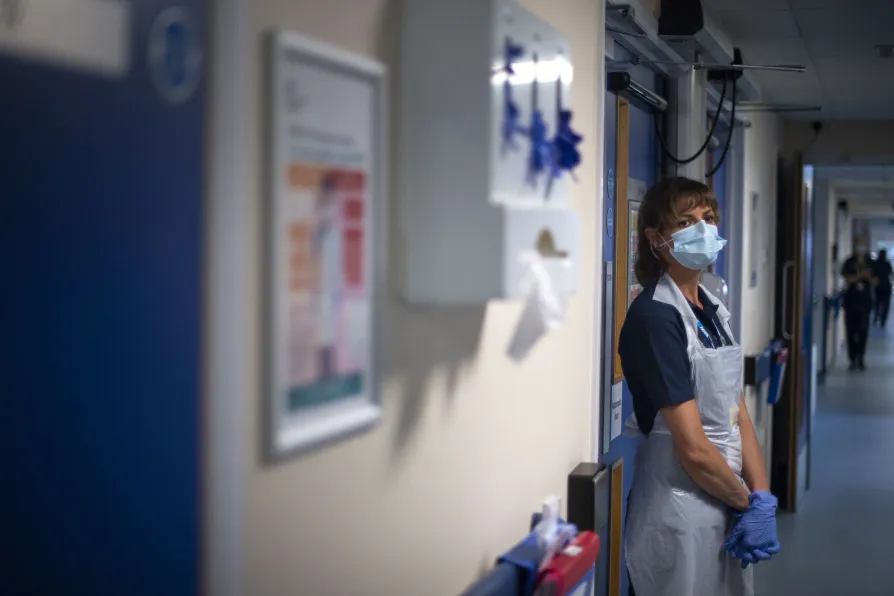
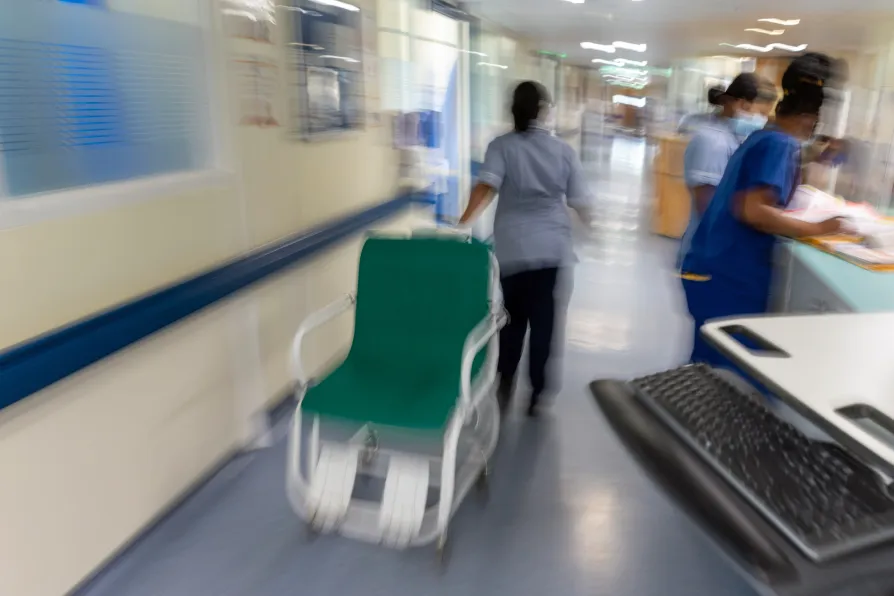
MORE than half of nurses have delivered end-of-life care in corridors or other makeshift spaces, a survey has found.
Many warned that widespread problems in care planning led to uncertainty, with more than one in three saying they had seen CPR being performed when they felt it was inappropriate.
One told of it being performed on a terminal cancer patient who ended up dying on the bathroom floor.
“We were never going to get her back,” the nurse told the joint Marie Curie and Nursing Standard survey.
“She died on the floor in the bathroom, undignified, family hysterical, staff all left traumatised.”
Another nurse said that an older man carried a paper care plan in his pocket to ensure he was not subject to intervention against his wishes.
The poll of 1,153 nurses and healthcare professionals across Britain found 55 per cent had treated patients in corridors or non-clinical areas.
More than seven in 10 said that people being treated in areas not designed for end-of-life care compromised dignity and left families and loved ones distressed.
Some 72 per cent cited staffing levels as a barrier to providing care and 56 per cent said a lack of time is an issue.
Marie Curie director of nursing and quality Sarah Williamson said: “Corridor care is a symptom of a system under strain and A&E has become a default for some people at the end of life in moments of crisis, when there’s nowhere else to turn.”
Professor Lynn Woolsey, chief nursing officer at the Royal College of Nursing, called for action to boost hospital beds and nursing staff.
The Department of Health and Social Care was contacted for comment.