The US is hell-bent on dismantling the International Criminal Court as part of its assault on global legal systems, but others also have valid reasons to seek its demise. BEN CHACKO provides the analysis


 Latest editorial

The ‘Woman, Life, Freedom’ protests – the situation going forward
This is undoubtedly a perilous time for progressive currents, including the women’s movement, in Iran, but it is for the Iranian people to decide their futures without outside interference, warns Dr AZAR SEPEHR

A small Palestinian village is under attack from illegal settlers and the Israeli state to forcibly extend their illegal settlements. It is a template for the future, writes RAMZY BAROUD
The fawning obituaries have painted a flattering portrait of Rod Liddle. STEPHEN ARNELL offers a rather less reverential view of the man and his legacy
Sovereignty and the rule of law are under threat from Trump’s attacks on Lula’s administration just as they have been across Latin America, argue CARLOS MARTINEZ and SARA VIVACQUA
Glasgow will remember the martyrs of the 1787 strike this weekend in speech and song, their spirit is sorely needed today, writes JIM LISTER





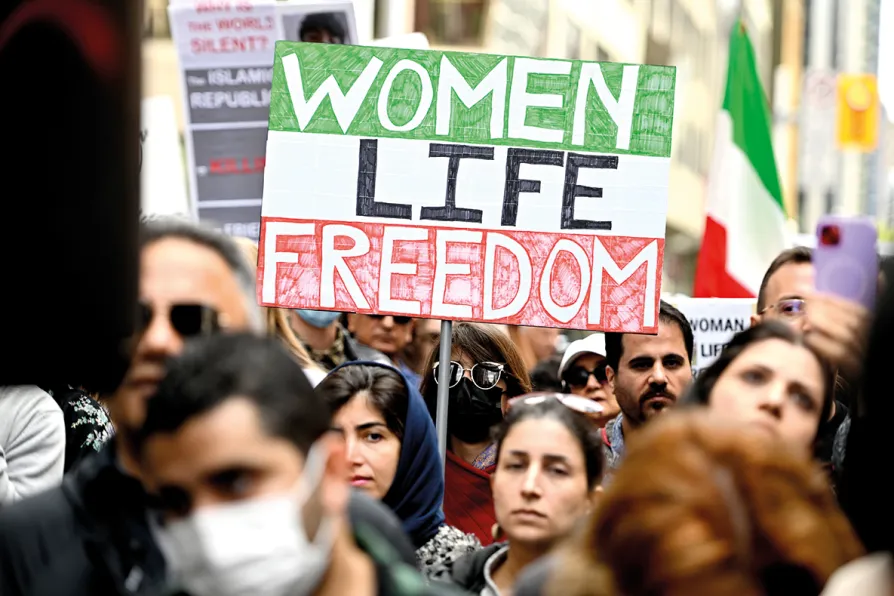
THIS YEAR, as progressives around the world prepare to mark International Women’s Day, the women of Iran do so on the back of a courageous and inspiring six-month long struggle — one in which they have led from the front — against the country’s ruling theocratic dictatorship.
The massive popular uprising in Iran that began in September 2022 has featured the country’s women at the very forefront.
While the protests first centred on the killing of 22-year-old Mahsa Amini at the hands of the so-called “guidance patrol” or “morality police” and the enforcement of mandatory hijab wearing, they quickly escalated to calls for an end to the entire authoritarian system of theocratic rule.

Similar stories
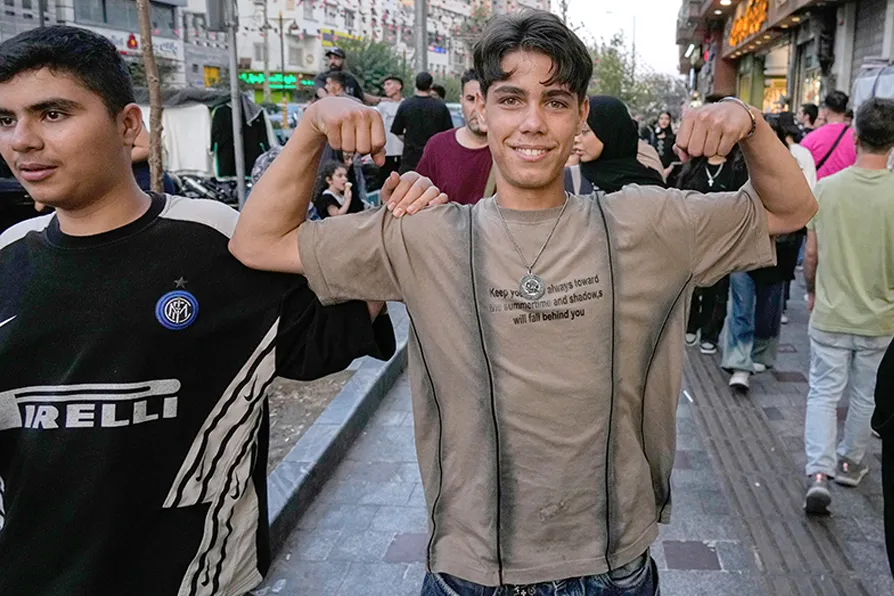
The US aim to reshape the existing order in the Middle East needs to be resolutely resisted, argues PAYAM SOLHTALAB
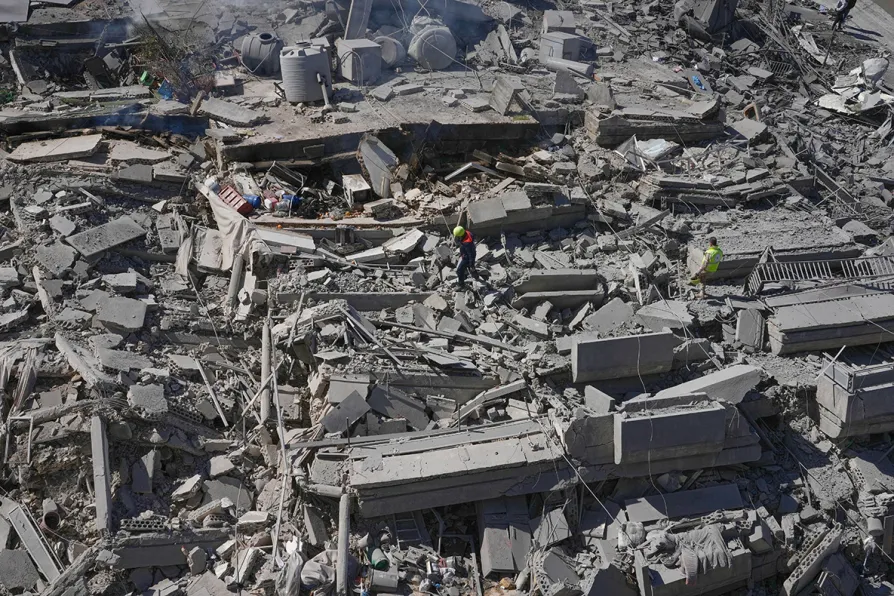
The civilian toll climbs past 1,000 as women, children and families are struck in their homes, schools and public spaces – a stark illustration of the human cost of war. AZAR SEPEHR emphasises that the future of Iran is solely determinable by the people of that country and them alone
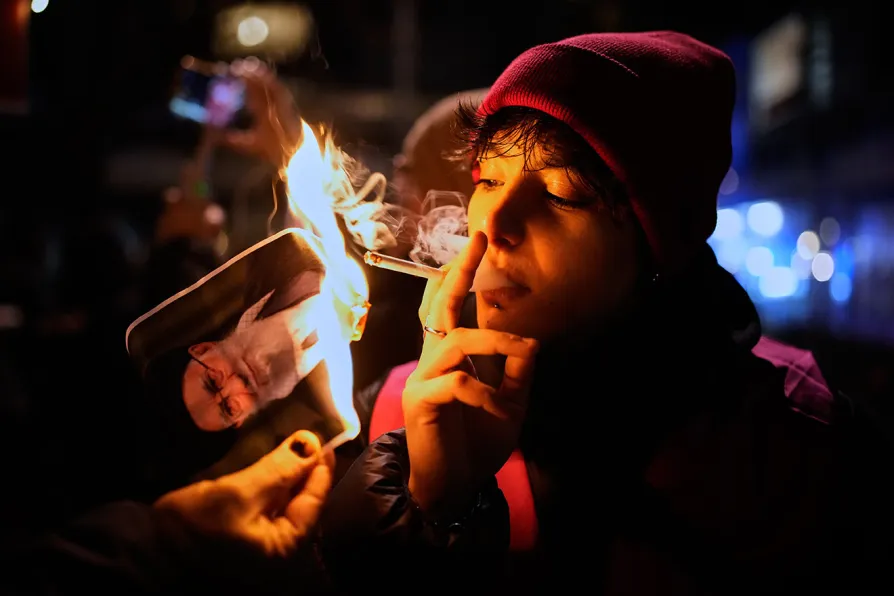
MOHAMMAD OMIDVAR, a senior figure in the Tudeh Party of Iran, tells the Morning Star that mass protests are rooted in poverty, corruption and neoliberal rule and warns against monarchist revival and US-engineered regime change
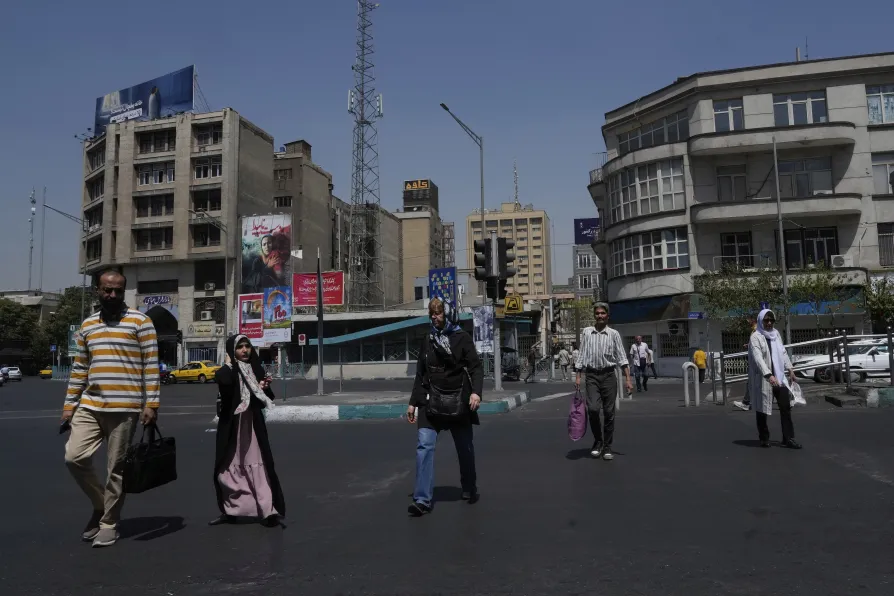
Payam Solhtalab talks to GAWAIN LITTLE, general secretary of Codir, about the connection between the struggle for peace, against banking and economic sanctions, and the threat of a further military attack by the US/Israel axis on Iran