Economists estimate extreme poverty could be drastically reduced for a fraction of global defence spending, yet military budgets continue to expand year on year, says JON TRICKETT MP, ahead of the Stop the War International Conference on Saturday


 Latest editorial
White House hawks have no answers for the Iranian people
With Venezuela in the cross-hairs, Mike Pompeo and John Bolton have not taken their eye off the US long-term ambition in the Middle East to attack Iran, reports JANE GREEN
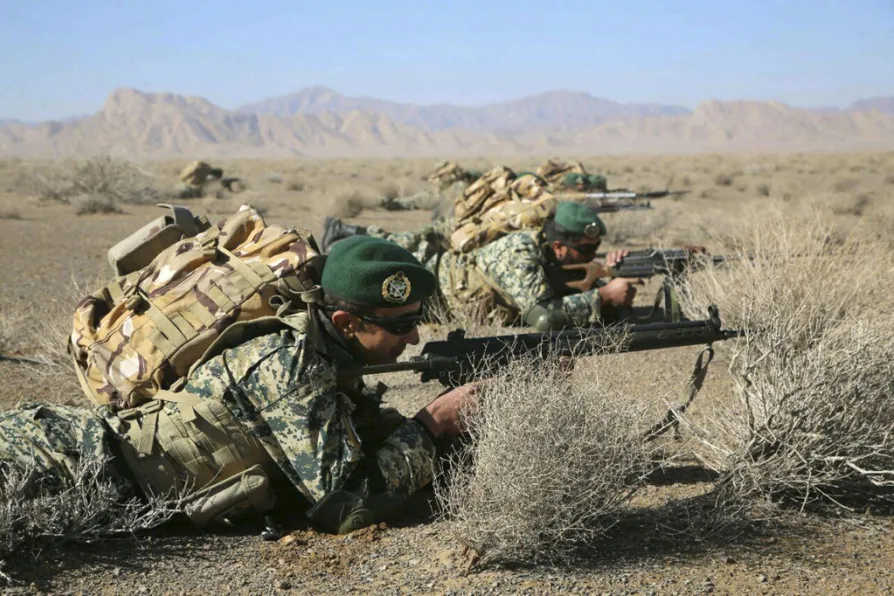 Iranian Army soldiers take position in an infantry drill in central Isfahan province, Iran, this month
As Unison launches its Year of Women Workers, ANNIE COGAN-THOMAS argues that stronger organisation and collective bargaining are essential to winning equality
Trade unions, trades councils and community organisations must work together to build lasting solidarity and resistance to the far right, argues DREW GILCHRIST
Recent violence in Belfast was not spontaneous — it was built on years of failure and political neglect, argues STIOFAN O NUALLAIN
As delegates meet in Brighton this week, Unison faces pressing questions about pay, organising, workers’ rights and political representation, explains ANDY CHAFFER
Andy Burnham’s growing stature has fuelled hopes of a Labour revival – but ALAN SIMPSON warns that Britain’s crisis runs far deeper than just its leadership and traces its roots to decades of financialised capitalism





US SECRETARY of State Mike Pompeo managed to squeeze in a tour which took in eight Middle Eastern countries in the space of a week earlier this month, summing up his mission in a speech in the Egyptian capital, Cairo, as “the need to counter the greatest threat of all in the Middle East, the Iranian regime and its campaigns of terrorism and destruction.”
Pompeo’s aim has been to build a coalition of the willing in the Middle East with the ostensible aim of rolling back Iranian influence in the region, for which can be read asserting US dominance wherever possible.
While the United States has clear allegiances with both Saudi Arabia and Israel in the region its influence elsewhere has been diminished due to its history of military and economic intervention. The Iranian regime is an easy target because of its history of opposition to the United States, its support amongst the Shia Muslims in the region, in opposition to Sunni-led Saudi Arabia, and its adventurous foreign policy which the US can characterise as a threat.
Pompeo’s message appears to have been well received among Sunni Arab leaders, with Jordanian Foreign Minister Ayman Safadi saying in a news conference with Pompeo in Amman:
“We all have problems with Iran’s expansionist policies in the region. All Arab countries, and I think the United States too, would want healthy relations based on the principle of non-intervention in the internal affairs of the other, and respecting the sovereignty of other countries.”

Similar stories
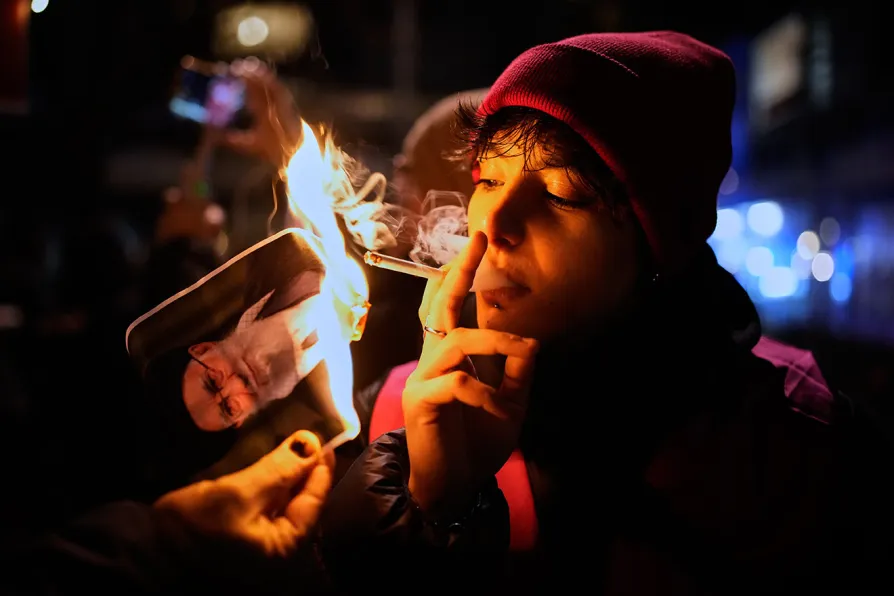
MOHAMMAD OMIDVAR, a senior figure in the Tudeh Party of Iran, tells the Morning Star that mass protests are rooted in poverty, corruption and neoliberal rule and warns against monarchist revival and US-engineered regime change
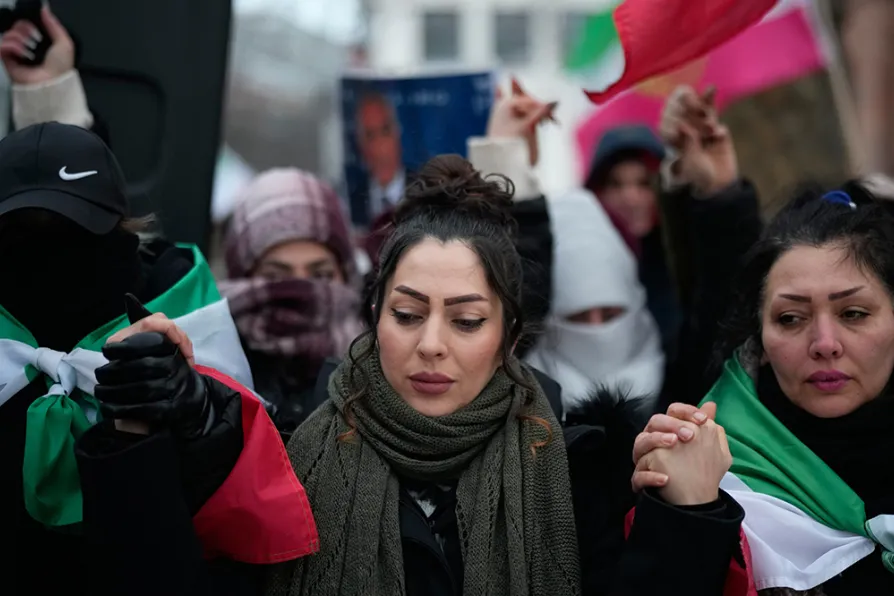
The Committee for the Defence of Iranian People’s Rights (Codir) welcomes demonstrations across Iran, which have put pressure upon the theocratic dictatorship, but warns against intervention by the United States to force Iran in a particular direction
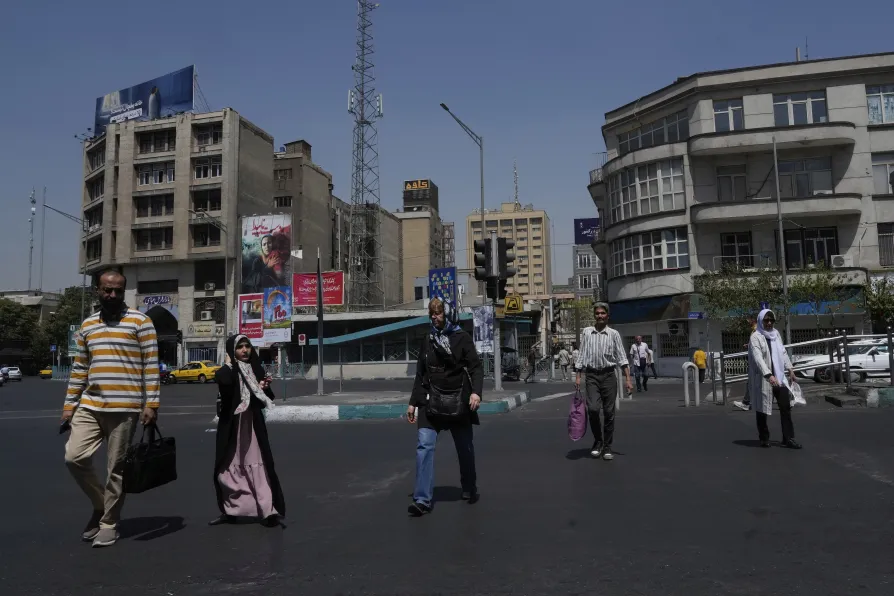
Payam Solhtalab talks to GAWAIN LITTLE, general secretary of Codir, about the connection between the struggle for peace, against banking and economic sanctions, and the threat of a further military attack by the US/Israel axis on Iran
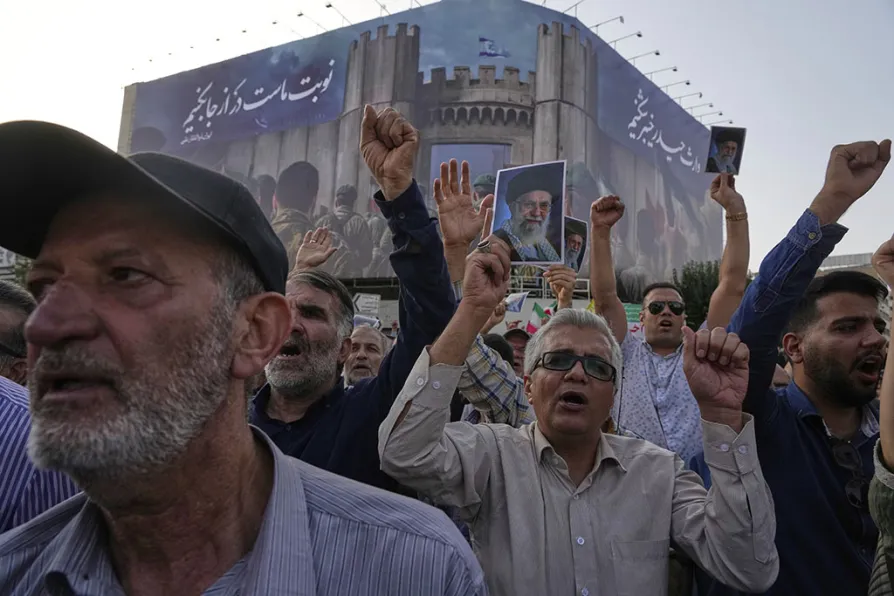
In the second of two articles, STEVE BISHOP looks at how the 1979 revolution’s aims are obfuscated to create a picture where the monarchists are the opposition to the theocracy, not the burgeoning workers’ and women’s movement on the streets of Iran