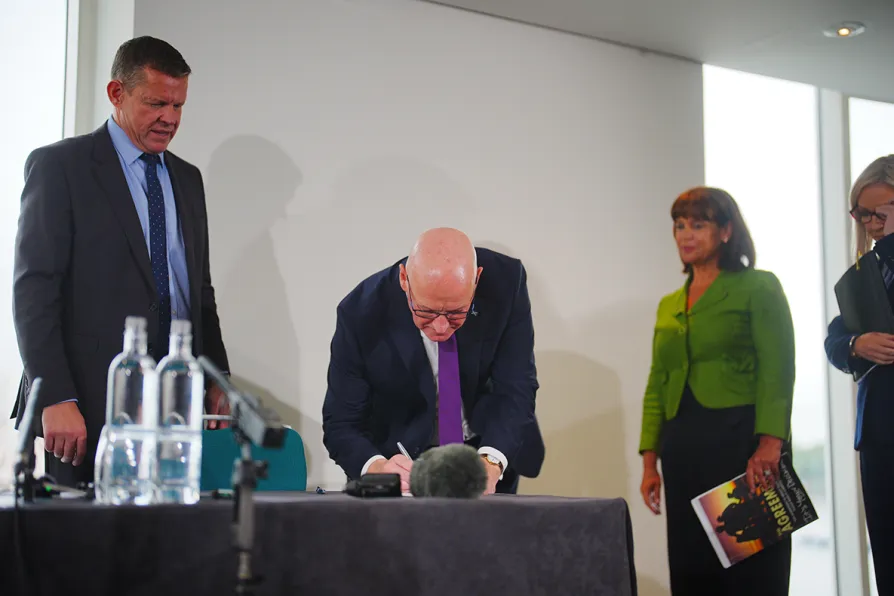
The UK Prime Minister may have the regal touch in northern England, but he’s been wrong-footed on the constitutional challenges posed by the Celtic Alliance of first ministers from Scotland, Wales and Northern Ireland, argues KENNY MacASKILL


 Latest editorial
As Tory logic disintegrates, they double down on their destruction
Although the government is starting to admit there is enough money to meet some of the demands it said were not possible, the austerity Budget shows it's still coming for what's left of the welfare state, writes DIANE ABBOTT MP
NEIRLAY ANDRADE, a member of the Communist Party of Venezuela’s political committee, outlines her party’s position on the crisis facing the country
A look at Taylor Wimpey’s accounts shows why Labour’s market-led housing strategy won’t deliver more, cheaper homes, as promised, says SOLOMON HUGHES
DAVID HORSLEY remembers the remarkable life and death of US black revolutionary George Jackson, whose politically passionate prison letters were published as Soledad Brother
Cuban trade union federation CTC leader OSNAY MIGUEL COLINA speaks to Ben Chacko about life and work under a crippling US siege
A part of the British empire’s network of slavery, today the Caribbean island of Nevis faces a new form of exploitation in the form of crypto-colonialism, CLAUDIA WEBBE writes
Challenges from the unscrupulous misuse of AI to steal actors’ voice and physical likenesses is being met with a firm union response, writes LYNDA ROOKE





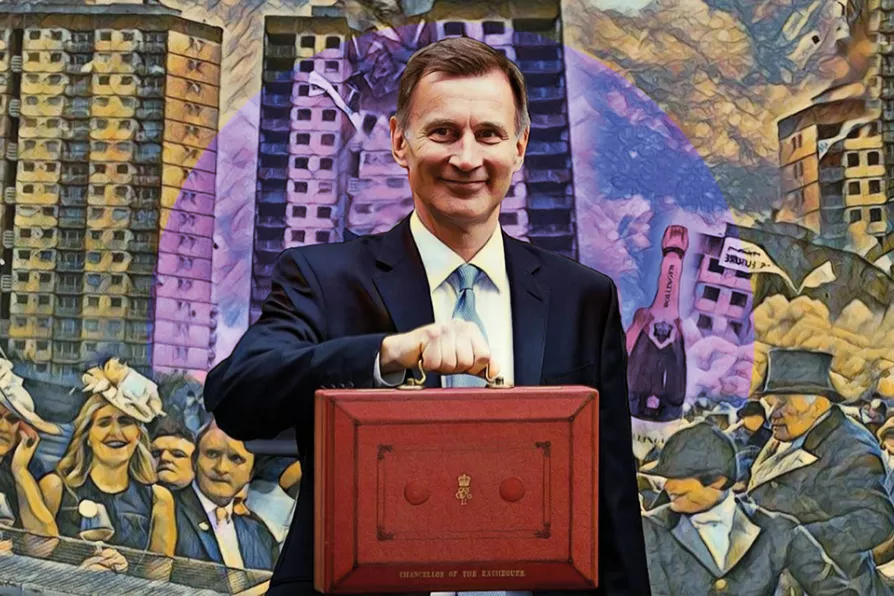
JEREMY HUNT’S first Budget was a continuation of the stream of austerity policies that has been almost uninterrupted since 2010. They represent yet another attack on ordinary people struggling to get by. At the same time, the commitments to growth are meaningless without any effective policies to deliver them.
Perhaps worst of all, rather than attempting to tame inflation, the government has used it to impose accelerated real-terms cuts in public spending including public-sector pay. They also plan more of the same.
The verdict from the Office for Budget Responsibility (OBR) was damning. They described the outcome as Britain facing “its biggest fall in spending power for 70 years as the surging cost of living eats into wages.”

Similar stories

Austerity and the cost-of-living crisis affecting millions of working people cannot be separated from public-sector cuts to fuel the military, argue BOB ORAM and MAGGIE SIMPSON
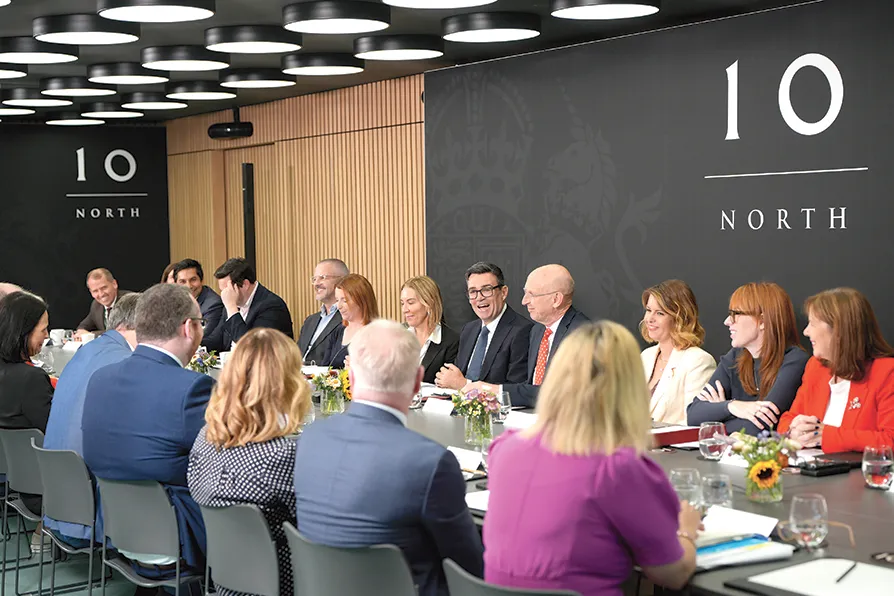
A sharp rise in public-sector investment is required to kick-start the economy, argues MICHAEL BURKE

Only an ambitious programme of state-led investment can restore growth and improve living standards, argues MICHAEL BURKE
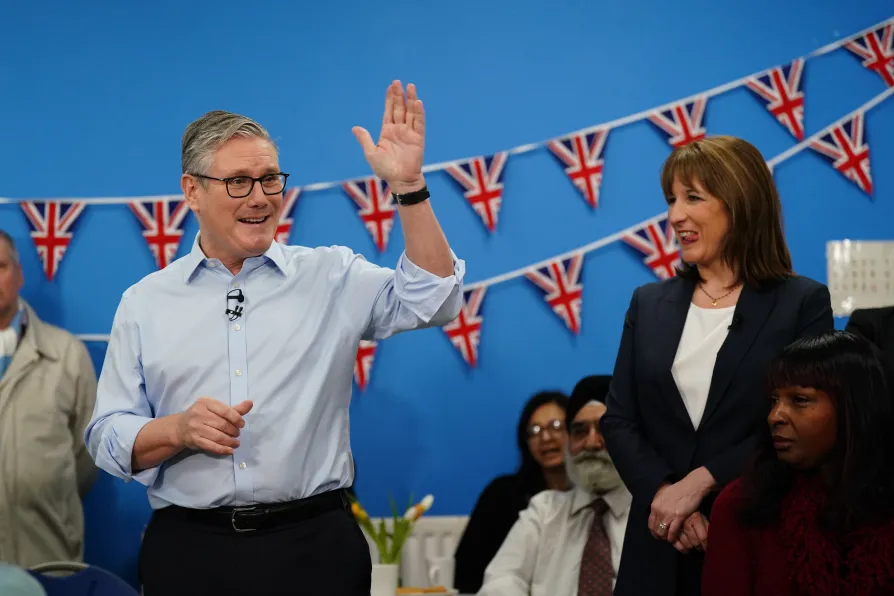
The 2025 Budget shores up the PM’s political position with headline-grabbing welfare U-turns, but with no improvements on offer to declining public services or living standards, writes MICHAEL BURKE