Committee for the Defence of the Iranian People’s Rights general secretary GAWAIN LITTLE discusses the impact of the US-Israeli war on the Iranian people and economy


 Latest editorial

Labour’s strange relationship with the bomb
Nuclear weapons are unpopular across the political spectrum, especially in the party Starmer now leads. So why, asks NICK WRIGHT, are these vote-seeking ‘pragmatists’ so hell-bent on keeping them?


Capitalism has extracted itself from crisis before, argues PRABHAT PATNAIK – but through methods no longer available. So it is turning to authoritarianism, militarism and neocolonialism
The five young men killed in the A66 crash were responsible for a devastating tragedy — but the crash should force us to ask difficult questions about wider society, argues RENATA MEDEIROS MIRRA
Britain funds the policing of black culture 16 times better than the culture itself. The Diamond Jubilee is the moment to end that, argues CLAUDIA WEBBE
Despite Andy Burnham’s declaration defending the continued partition of the island, all major international and internal trends are converging to make Irish reunification inevitable
Humans are part of the ‘animal kingdom’ – and of nature in general – but also distinct from it and labour (work) is part of what makes us unique, declared Engels. His insights 150 years ago into how our species came to be and how we differ from the rest of nature, are as important today as they were then, says the MARX MEMORIAL LIBRARY





THE Westminster Labour spin on John Healey’s speech last week setting out the current leadership’s position on defence was that it was a shift in tone from the Corbyn period.
That it certainly was. Where Corbyn was widely seen as the personification of anti-war sentiment and stood for a foreign policy approach based on ethical values, the balance of power in the party, in Westminster and in the apparatus, was in inverse proportion to the feeling among the party membership and trade union opinion — and at variance with opinion in the country.
A poll commissioned by CND showed that 59 per cent of the British public support the government signing up to the Treaty on the Prohibition of Nuclear Weapons, including half of Conservative voters and more than two thirds of Labour voters.

Similar stories
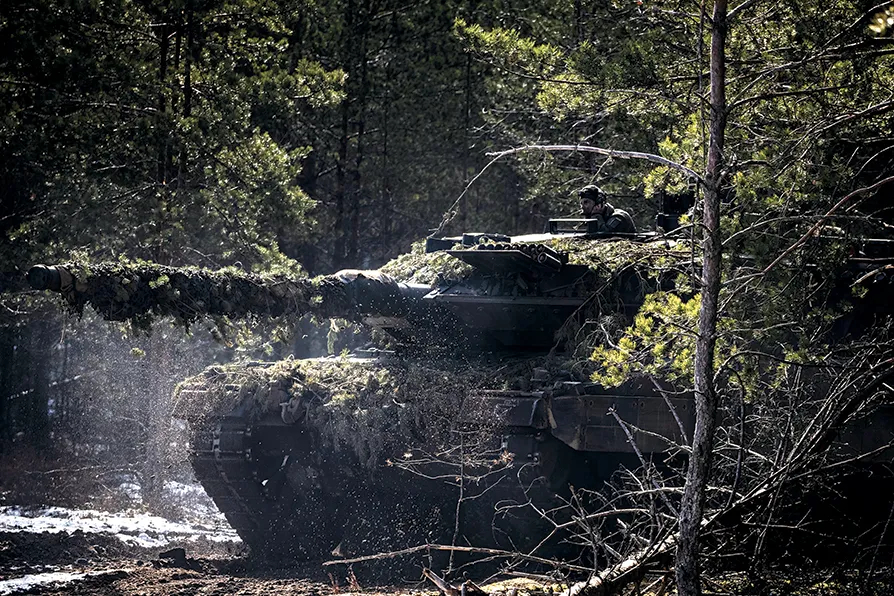
The Baltic state is set to reverse its constitutional prohibition on nuclear weapons and foreign bases as part of accelerated Nato war preparations, warns TOM UNTERRAINER
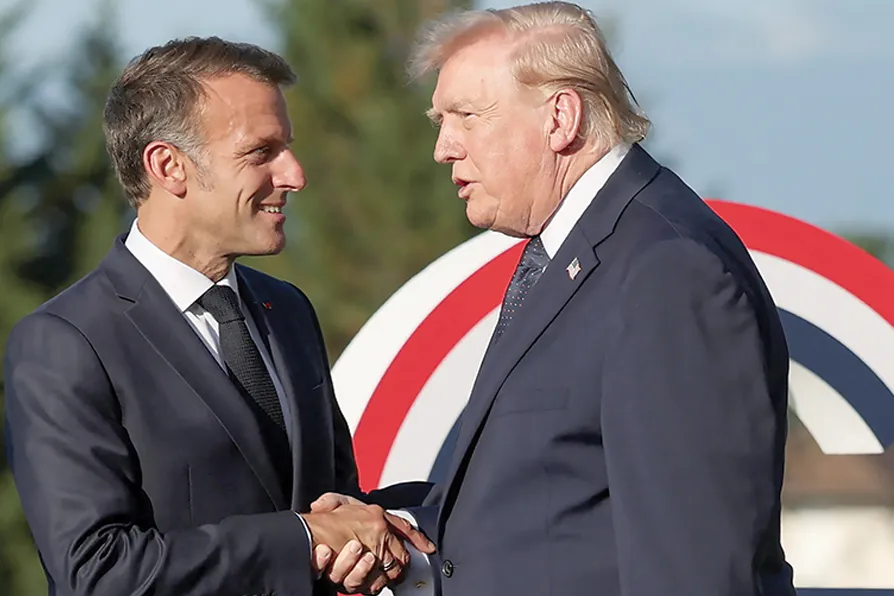
While millions face poverty and public services are squeezed, France is committing billions to defence spending and weapons production, in a dangerous shift towards permanent preparation for war, says CONOR BOLLINS
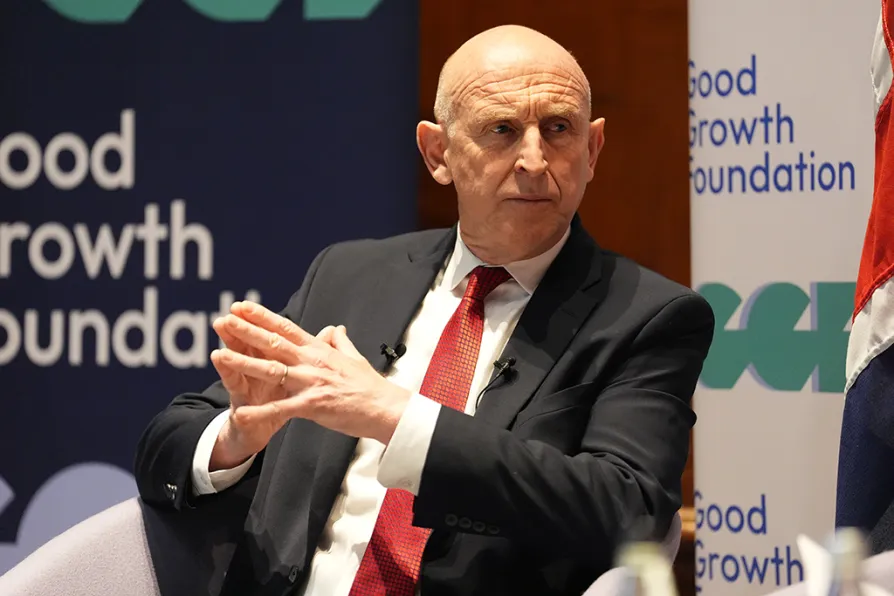
The defence secretary’s resignation reveals not a split over principle but a dispute over pace of military spending, as Britain’s political Establishment unites behind deeper Nato commitments, argues NICK WRIGHT

In a speech to the 12th Xiangshan Forum in Beijing, SEVIM DAGDELEN warns of a growing historical revisionism to whitewash Germany and Japan’s role in WWII as part of a return to a cold war strategy from the West — but multipolarity will win out