The basis for 20th-century social democracy in Britain is gone, argues ANDREW MURRAY – but there are measures a Burnham government could take that would break with neoliberalism


 Latest editorial
How Red Clydeside was born in the Battle of Glasgow 1919
PETER FROST celebrates the centenary of important labour movement struggles on Red Clydeside
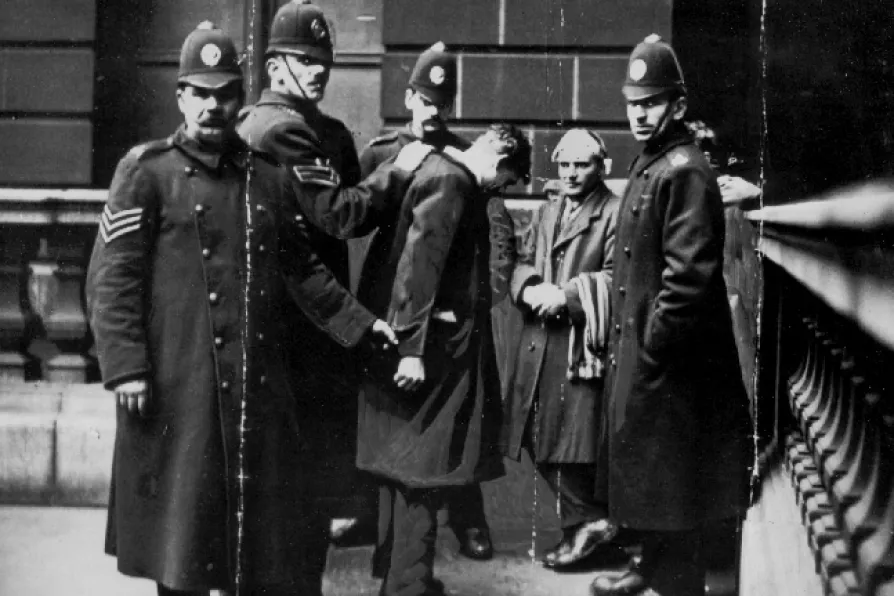 David Kirkwood and Willie Gallacher being detained by police at the City Chambers
TONY BURKE pays tribute to a dedicated trade unionist and true internationalist who helped organise workers from Britain to Bangladesh
NASUWT leader MATT WRACK says schools are crying out for serious investment — and there are other immediate changes a new prime minister could and should enact
Keir Starmer’s resignation speech seemed to be coming from a different universe, or maybe it was just a fanfaronade of falsehoods, writes LINDA PENTZ GUNTER
Starmer will be judged on his record, but it would be wrong to view him in isolation from the crisis of the British political establishment, says the COMMUNIST PARTY in its official statement on the PM’s resignation
Over 1,000 hostile US sanctions remain in place on Venezuela, while Britain continues its colonial theft of gold, writes MATT WILLGRESS





ONE HUNDRED years ago yesterday, on Friday January 31 1919 — just 82 days after the end of World War I — more than 60,000 Glasgow workers gathered in George Square to support the strike for a 40-hour working week and to hear the Lord Provost’s reply to the workers’ demand. The workers flew a red flag over the city.
The strike had come about after just a few weeks of peace after the armistice in November of the previous year.
It was widely feared that the end of the war would be followed by widespread unemployment due to the re-entry of large numbers of demobilised soldiers and seamen into the workforce.

Similar stories
The General Strike exposed the power of the working class — and the limits of its leadership, writes Dr DYLAN MURPHY
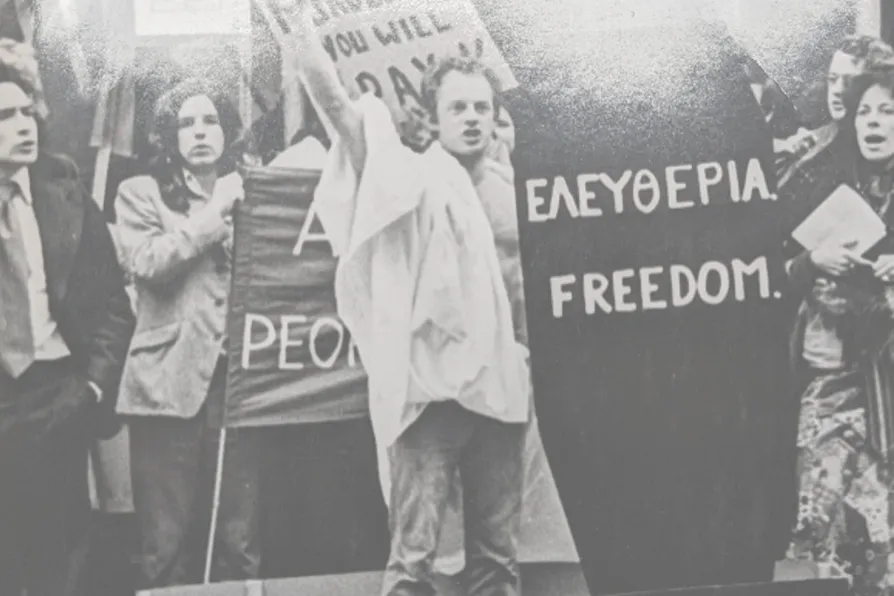
Barred from returning home, a group of Greek Brigaders came to Britain and founded the League for Democracy in Greece – a movement that carried the flame of anti-fascist resistance from the 1930s through the cold war and beyond. ALI BASSAM ZAHID tells the story
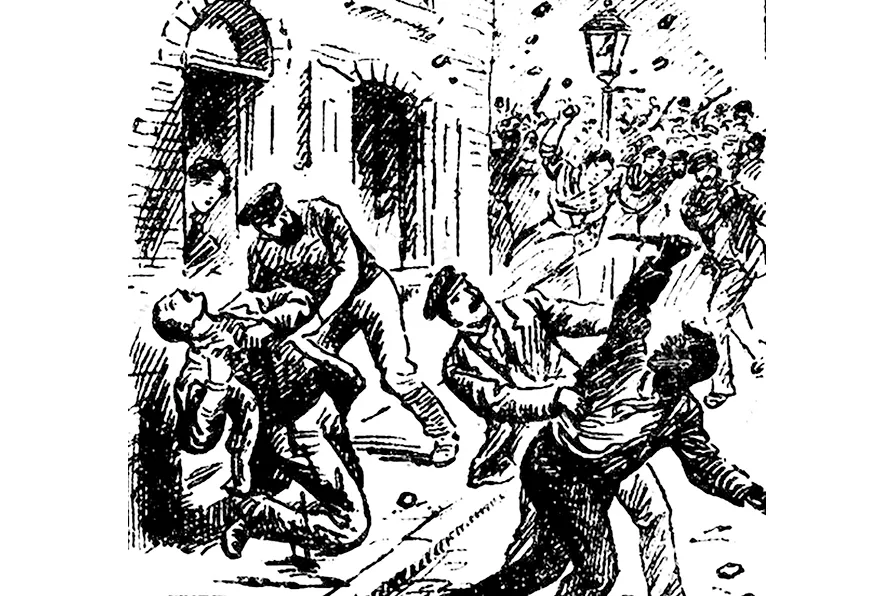
White racist rioting has many an infamous precedent in Britain, writes DAVID HORSLEY
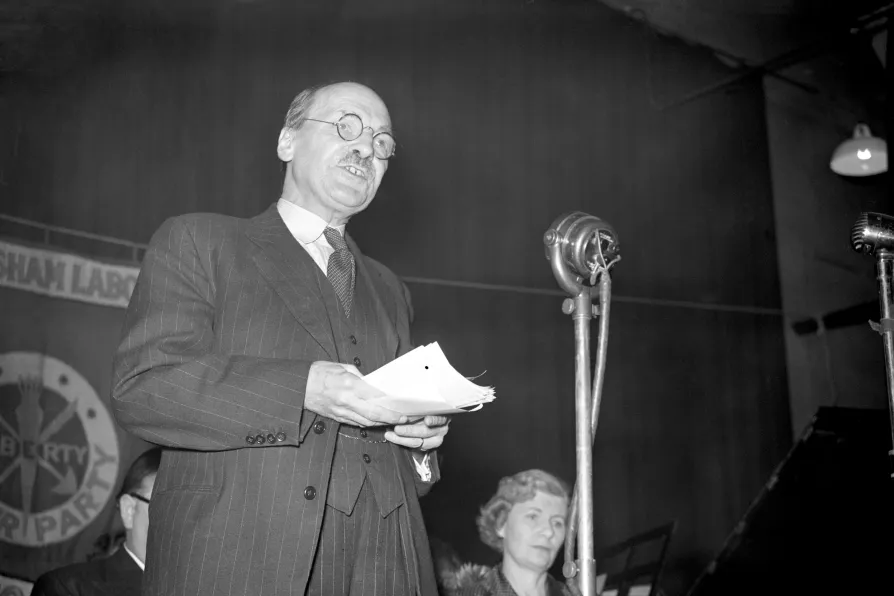
The summer of 1950 saw Labour abandon further nationalisation while escalating Korean War spending from £2.3m to £4.7m, as the government meekly accepted capitalism’s licence and became Washington’s yes-man, writes JOHN ELLISON