Green Party deputy leader MOTHIN ALI, who will speak at the International Anti-War Conference in London on June 20, says Britain needs to rethink its priorities – and its allies


 Latest editorial
Fight or flight for young people in Iran
As the Islamic Republic of Iran continues its oppressive measures against any form of protest, the country faces a brain drain as young people leave, reports JANE GREEN
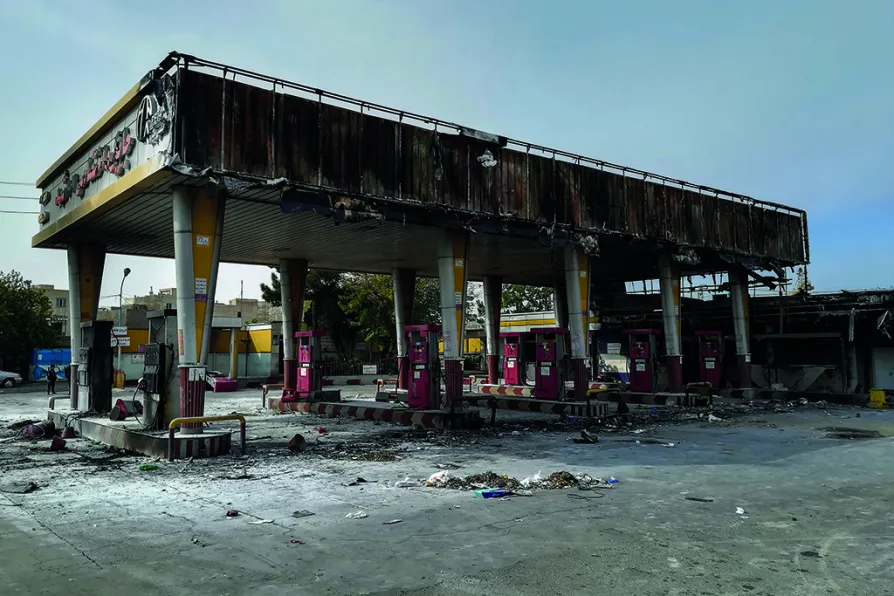 A petrol station is torched in Tehran following authorities’ decision to raise petrol prices in November 2019
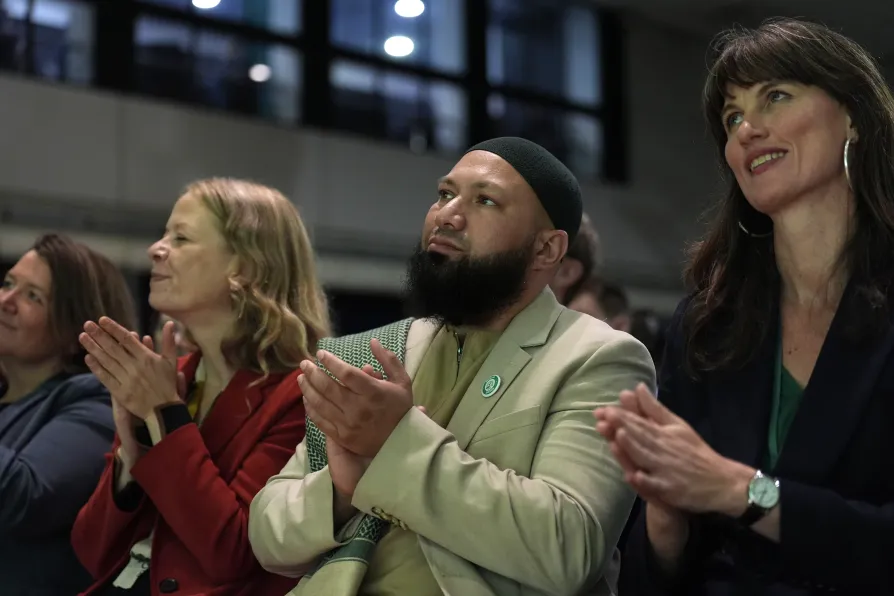
From Global Counsel to Arden, SOLOMON HUGHES finds firms linked to discredited politicians are still calling the shots in Britain
KEVIN COURTNEY explains why Reform UK is no friend to workers or trade unions, but just another party of the super-rich
EMMA DENT COAD explains why she is stepping down from the council after 20 years and how the legacy of the fire still haunts the area
While international attention focuses on ceasefire frameworks, Israel is openly advancing plans for a permanent expansion of its control over Gaza, writes RAMZY BAROUD
Researchers PAUL HOLDEN and JESSICA MURRAY are calling for whistleblowers and documentary records to uncover how Labour Together helped build the parliamentary majority that now dominates the Labour Party





WAVES of protest have been sweeping Iranian cities and factories almost constantly for nearly two years. The adventurist foreign policy of the regime, combined with the vindictive sanctions imposed by the United States, have seen ordinary Iranians struggling to put food on the table and pay their bills.
The population in Iran is very young, with 50 per cent being under the age of thirty, born after the 1979 revolution. They do not share the emotional attachment to the revolution of some of the older generation. Many are well educated.
The tightening of sanctions and the intolerance of the regime however are forcing many young people to make stark choices. Leaving friends and family to seek work abroad is an option for those with the resources and qualifications. Increasing numbers are choosing to take this path.
Europe is a popular destination for many young Iranians and according to the German Federal Office for Migration and Refugees, “more than 47 per cent of Iranian asylum seekers have completed university education.
“Nearly 40 per cent of Iranian asylum seekers have a diploma degree. According to the report, only 9 per cent of Iranians had completed [only] their first year of high school, and no-one among thousands of Iranian refugees was illiterate.”

Similar stories
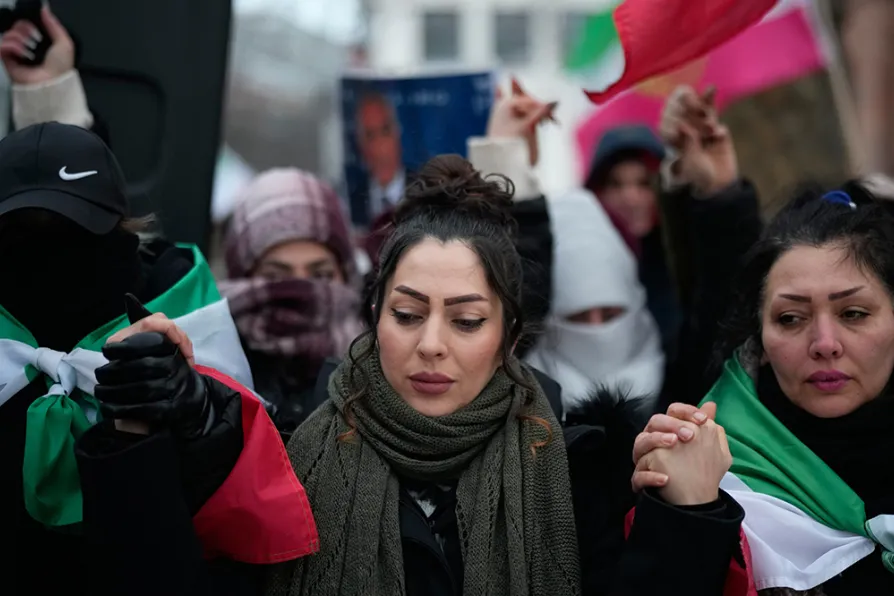
The Committee for the Defence of Iranian People’s Rights (Codir) welcomes demonstrations across Iran, which have put pressure upon the theocratic dictatorship, but warns against intervention by the United States to force Iran in a particular direction
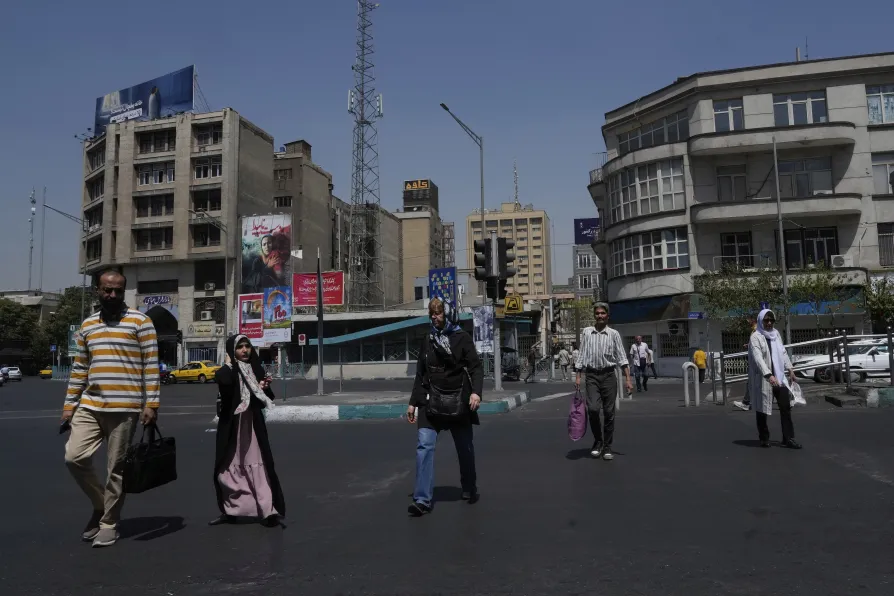
Payam Solhtalab talks to GAWAIN LITTLE, general secretary of Codir, about the connection between the struggle for peace, against banking and economic sanctions, and the threat of a further military attack by the US/Israel axis on Iran
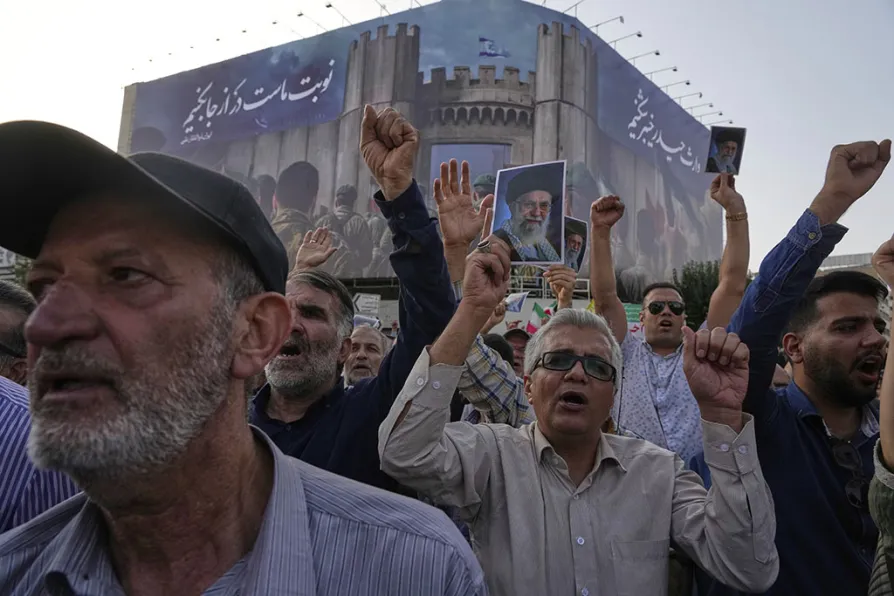
In the second of two articles, STEVE BISHOP looks at how the 1979 revolution’s aims are obfuscated to create a picture where the monarchists are the opposition to the theocracy, not the burgeoning workers’ and women’s movement on the streets of Iran
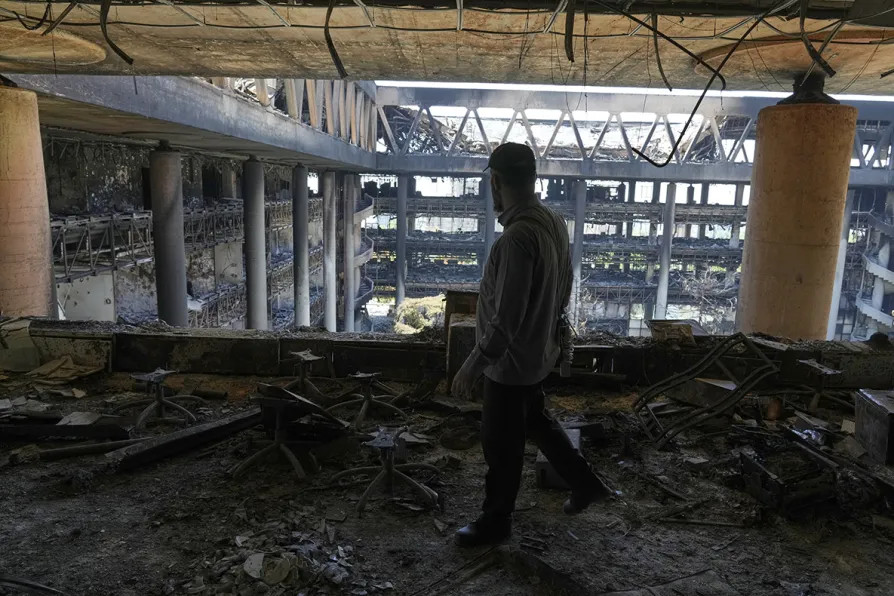
In part one of two articles, STEVE BISHOP exposes blatant lies of the warmongers who demand ‘unconditional surrender’ from Iran using the excuse of nuclear weapons, when it is Israel that blatantly disregards international law