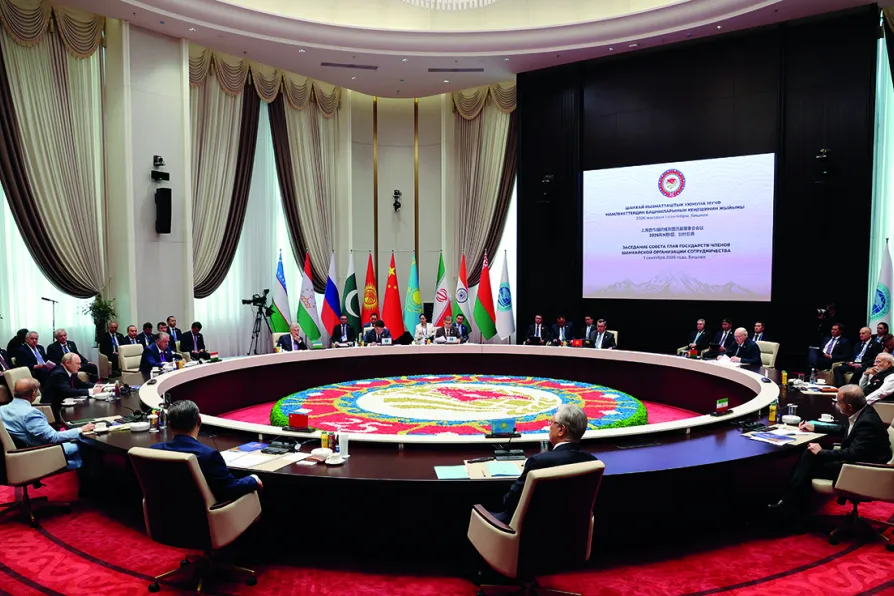
The 25th anniversary meeting of the Shanghai Co-operation Organisation in the Kyrgyz capital may offer a glimmer of hope that international relations do not need to be defined by endless confrontation, writes KENNY COYLE


 Latest editorial

Declining influence: is the Middle East pulling away from Washington?
AMIAD HOROWITZ on the implications of diplomatic shifts across the Middle East
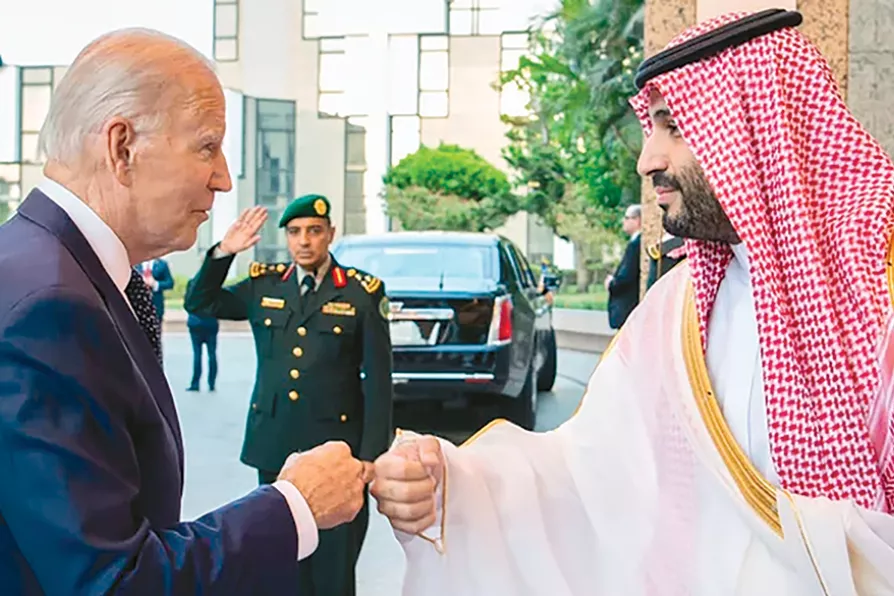 MIDDLE EAST SHIFTING SANDS: Joe Biden and Mohammed bin Salman in Jeddah, July 2022
[Saudi Press Agency/CC]
MIDDLE EAST SHIFTING SANDS: Joe Biden and Mohammed bin Salman in Jeddah, July 2022
[Saudi Press Agency/CC]
The artist, who has just died, is embedded in the subconscious of the Palestinian people
The five young men killed in the A66 crash were responsible for a devastating tragedy — but the crash should force us to ask difficult questions about wider society, argues RENATA MEDEIROS MIRRA
The unwillingness of the British political elite to acknowledge that we are on the edge of a direct conflict with Russia leaves the peace movement with an urgent and onerous task
Committee for the Defence of the Iranian People’s Rights general secretary GAWAIN LITTLE discusses the impact of the US-Israeli war on the Iranian people and economy
Capitalism has extracted itself from crisis before, argues PRABHAT PATNAIK – but through methods no longer available. So it is turning to authoritarianism, militarism and neocolonialism





A NEW chapter in the modern history of the Middle East is beginning, and what’s most significant about it is the dwindling influence of the United States.
Back in March, the People’s Republic of China helped broker a groundbreaking diplomatic rapprochement between the Kingdom of Saudi Arabia and the Islamic Republic of Iran. Seven years ago, Riyadh and Tehran completely broke off diplomatic relations, and since then have been involved in proxy conflicts in Yemen, and to an extent in Syria and Iran itself, as well.
The normalisation of relations between these two regional powers is a major step towards peace in the wider Middle East.

Similar stories
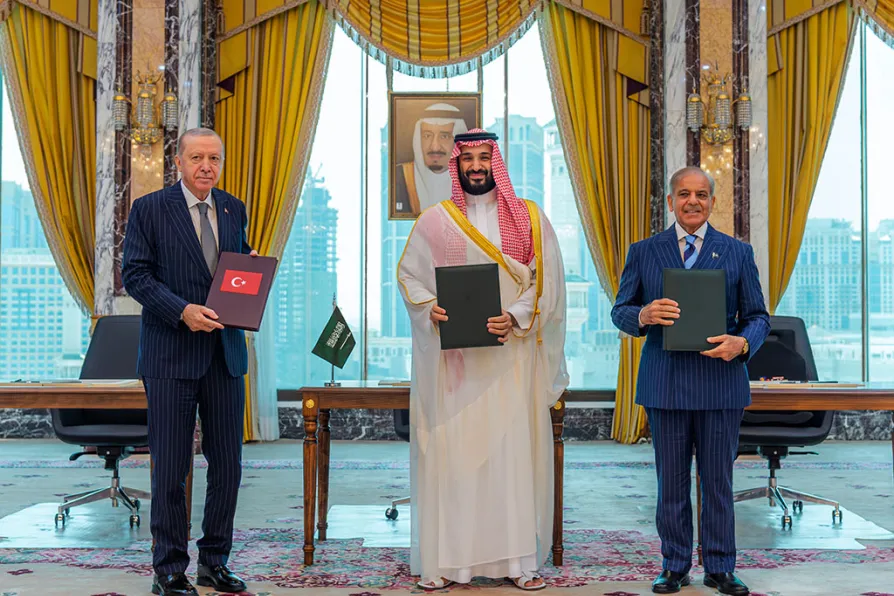
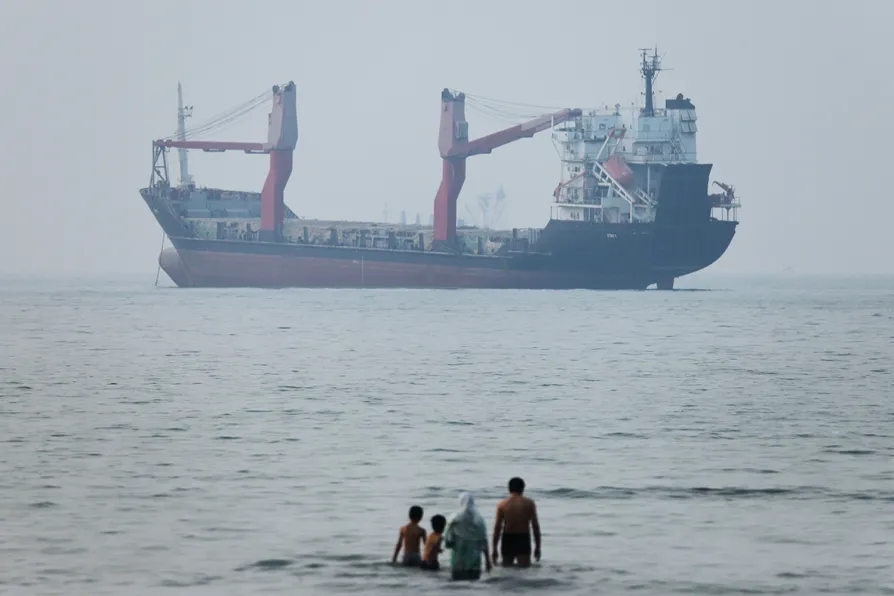
The US-Israeli conflict with Iran has had far-reaching consequences, including a boost to Pakistan’s regional standing, argues ROGER McKENZIE
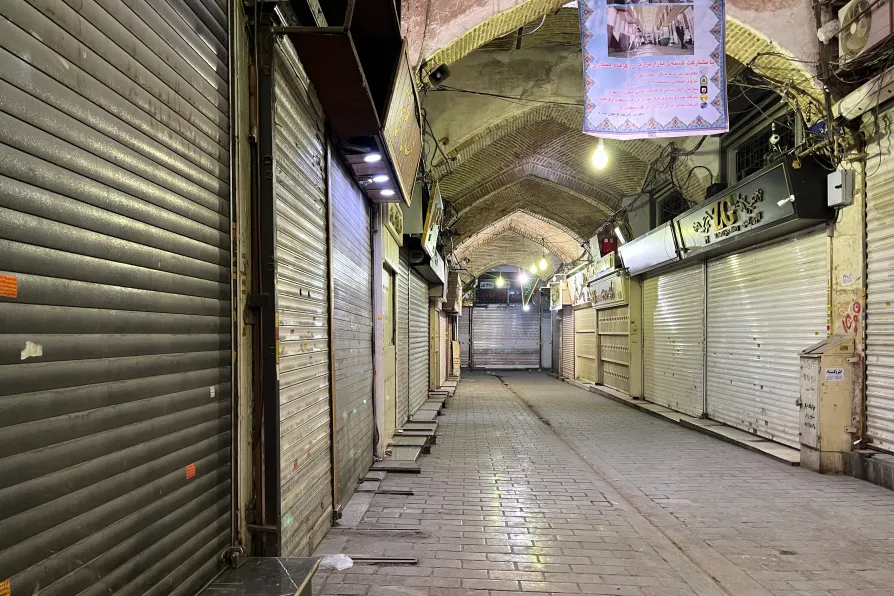
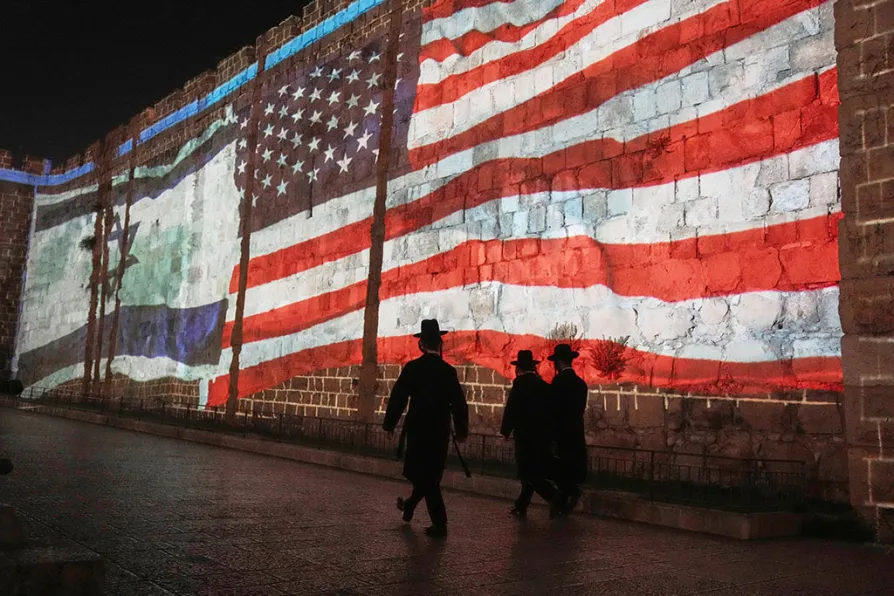
Trump threatens war and punitive tariffs to recapture Iranian resources – just as in 1953, when the CIA overthrew Mossadegh and US corporations immediately seized 40% of the oil, says SEVIM DAGDELEN