Committee for the Defence of the Iranian People’s Rights general secretary GAWAIN LITTLE discusses the impact of the US-Israeli war on the Iranian people and economy


 Latest editorial

Celebrating Cosmonauts’ Day in troubled times
On April 12 1961 Yuri Gagarin became the first man in space, followed in 1963 by Valentina Tereshkova, who became the first woman in space. COLIN TURBETT looks at this remarkable Soviet achievement and tells the story of the first intrepid cosmic explorers
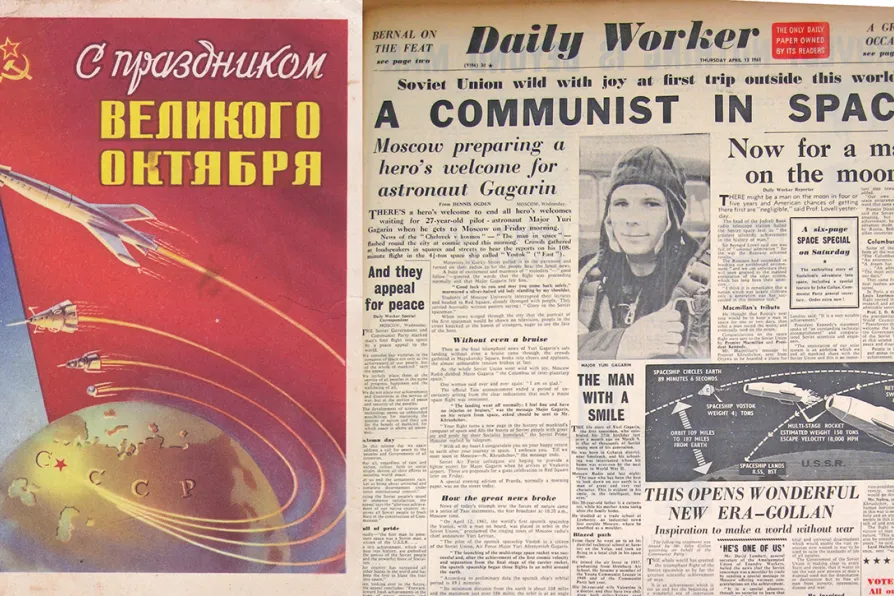 A 1959 Soviet postcard linking space success with the October Revolution; and how this paper’s predecessor the Daily Worker covered Uri Gagarin’s space flight
Capitalism has extracted itself from crisis before, argues PRABHAT PATNAIK – but through methods no longer available. So it is turning to authoritarianism, militarism and neocolonialism
The five young men killed in the A66 crash were responsible for a devastating tragedy — but the crash should force us to ask difficult questions about wider society, argues RENATA MEDEIROS MIRRA
Britain funds the policing of black culture 16 times better than the culture itself. The Diamond Jubilee is the moment to end that, argues CLAUDIA WEBBE
Despite Andy Burnham’s declaration defending the continued partition of the island, all major international and internal trends are converging to make Irish reunification inevitable
Humans are part of the ‘animal kingdom’ – and of nature in general – but also distinct from it and labour (work) is part of what makes us unique, declared Engels. His insights 150 years ago into how our species came to be and how we differ from the rest of nature, are as important today as they were then, says the MARX MEMORIAL LIBRARY





THE Soviet space programme of the 1950s and 1960s may have had some military association, but its chief designer, the brilliant Sergei Korolev, had no interest in weapons developments and devoted his life to the pursuit of space travel and exploration for the sake of peaceful human advancement and the prestige of the USSR.
It is worth reminding ourselves of that fact as we celebrate Cosmonaut’s Day — a day set aside to admire the remarkable achievements of the Soviet pioneers and their successes in the 1950s and early 1960s years of the space race with the US.
The date, April 12, is that of Yuri Gagarin’s first 108-minute human flight into space in 1961. Tonight, I will be presenting on this topic to a Society For Co-operation In Russian & Soviet Studies online gathering (details below) and for doing so have already been subject of a call to boycott my books due to a false assertion that I must by implication support the Russians in the war in Ukraine.

Similar stories

The Berlin border closure 65 years ago did not happen in isolation, and many Western accounts omit crucial context, explains KEITH BARLOW
RITA DI SANTO talks to Scottish-Irish filmmaker MARK COUSINS about his new panorama of world cinema The Story of Documentary Film
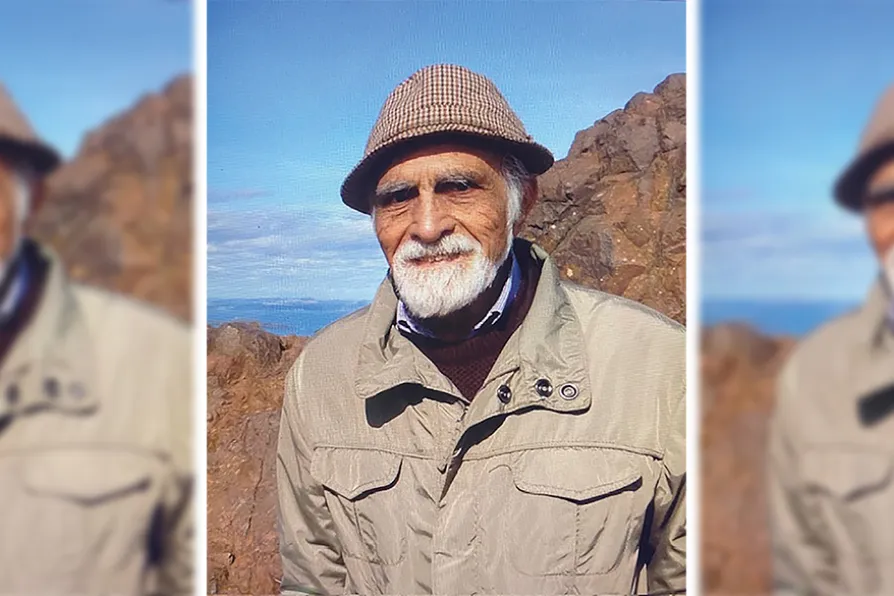
19.01.1930-23.04.2026
Kate Clark pays tribute to Ricardo, whose life spanned the hopes of Allende’s Chile, the horrors of military dictatorship and decades of campaigning for justice in exile

TOMASZ PIERSCIONEK is intrigued by a the changing significance of its vast areas of forest to Russia’s history