PAUL DONOVAN applauds an intriguing multi-layered depiction, dominated by a stunning impersonation of Marilyn herself


 Latest editorial

Personal snapshots that are windows onto a peoples’ ongoing history
Highly responsible and necessary work that opens up a goldmine, writes ANGUS REID
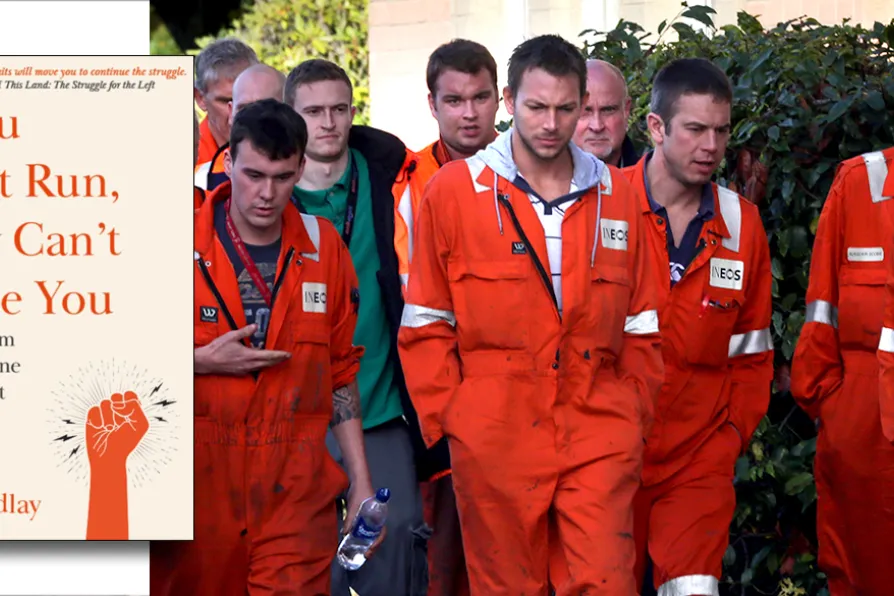 Dejected workers at the Grangemouth oil refinery in Falkirk, Scotland, in October 2013, after owners Ineos decided to shut it down following the dispute over pay and conditions

LEO BOIX applauds an audacious, self-questioning film about grief, friendship and film-making
MARY CONWAY admires a brave and topical study of Armageddon that is, unfortunately, unable to come to a conclusion
ANDY HEDGECOCK, JAMES WALSH and JAMIE BRITTON review Hanging by a Wire, I Want Your Sex, The Pout-Pout Fish, and Rise of the Foot Soldier: Retribution
Chris Searle speaks to US pianist RAN BLAKE
The Bard hands out medals for his Edinburgh campaign and urges us to support The Men They Couldn’t Hang





If You Don’t Run, They Can’t Chase You
by Neil Findlay
Luath Press £7.99
I’VE SEARCHED every newsagent in Grangemouth, the site of Scotland’s biggest petrochemical plant, for a copy of the Morning Star, and in vain. How come?
The answer lies in Mark Lyon’s honest account of the Battle of Grangemouth, that took place between Unite and the new owners Ineos, under Jim Ratcliffe.
It is a painful but eye-opening story that comes halfway through If You Don’t Run They Can’t Chase You, a fascinating and highly readable collection of first-hand accounts “from the frontline in the fight for social justice’, as collected and compiled by the former MSP Neil Findlay.

Similar stories
by Alistair Findlay
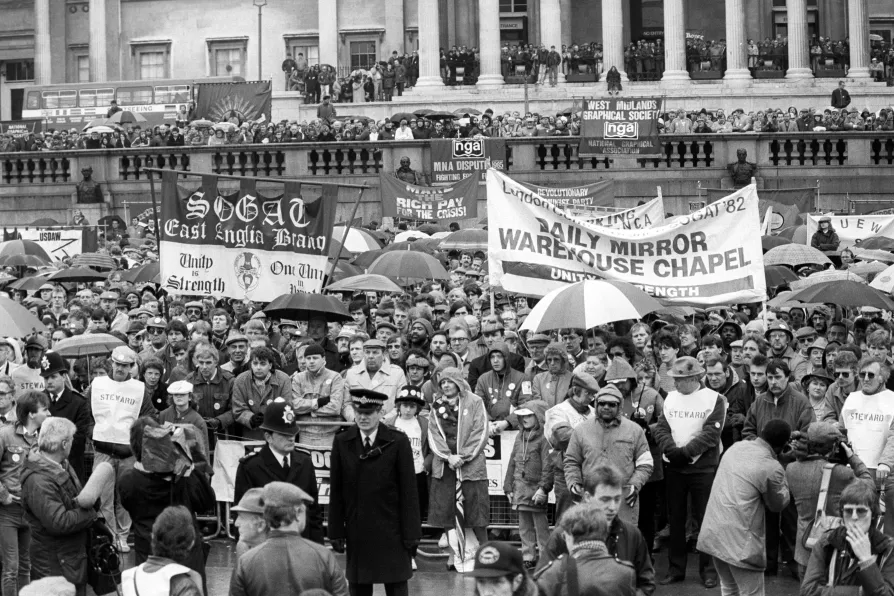
SHARON GRAHAM reflects on the lessons of Murdoch’s confrontation with print workers – and argues that, in an age of AI, automation and net zero, only early organisation, collective power and planning can stop history repeating itself
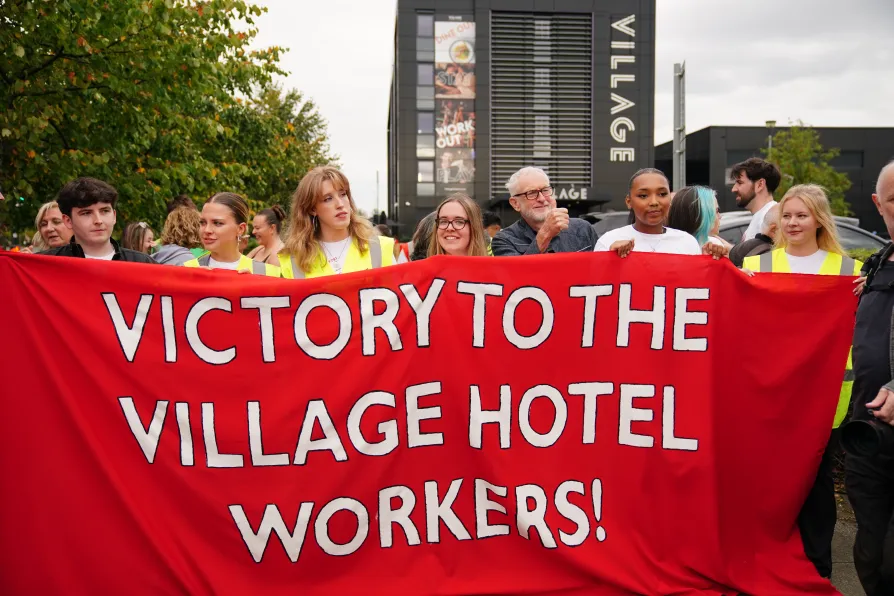
NICK TROY lauds the young staff at a hotel chain and cinema giant who are ready to take on the bosses for their rights

CWU leader DAVE WARD tells Ben Chacko a strategy to unite workers on class lines is needed – and sectoral collective bargaining must be at its heart