ANGUS REID, ANDY HEDGECOCK and MARIA DUARTE review On The Sea, A Useful Ghost, Brunello: The Gracious Visionary, and Pinocchio Unstrung


 Latest editorial

Inspired by life itself
Poet EDUARDO EMBRY talks to Michal Boncza about the influences on his work — exile in Britain after the murderous Pinochet coup, the satire in his new anthology Dead Flies and the current rebellion in his native Chile
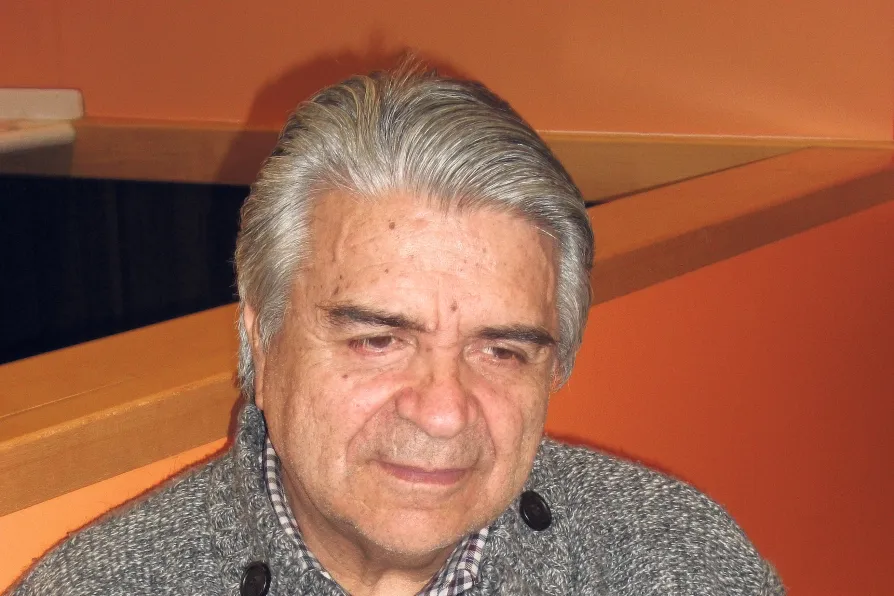 Eduardo Embry
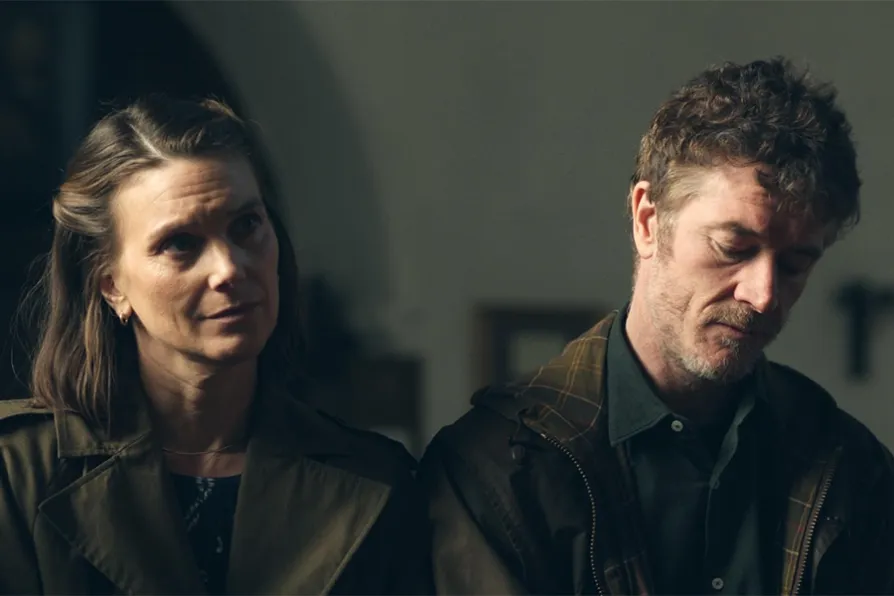
RON JACOBS enjoys a great tale, told by a US communist, of the lives of working-class New Yorkers
BRENT CUTLER searches a new history of contemporary Iran for an understanding of the Islamic Republic, finding both interesting detail and glaring omissions
MARIA DUARTE recommends the true story of the remarkable woman who sued Donald Trump for sexual assault not once, but twice
KENNY MacASKILL is disappointed by a polemical, rather than factual, account of the Lone Star State and its political path since the civil war
PAUL DONOVAN is fascinated by the lives of Charles and Mary Bagot, and the insight this biography shines on the morals of pre-Victorian society
GORDON PARSONS appreciates fine performances and a feel for ambiguity, but misses the music of the dialogue





BEING forced to leave your country of origin inevitably induces all manner of trauma, and Eduardo Embry believes that exile, ever since ancient times, is the most serious thing a human being can face.
In his case, having received threats and in danger of arrest, torture and death, exile was “a life or death situation,” he remembers. “It was the fate of hundreds of comrades, who were executed.”
When he arrived in London in 1974, Embry began the process of recovering from the multiple traumas — particularly torture — a process in which he was guided by psychologist and comrade Alejandro Reyes.

Similar stories
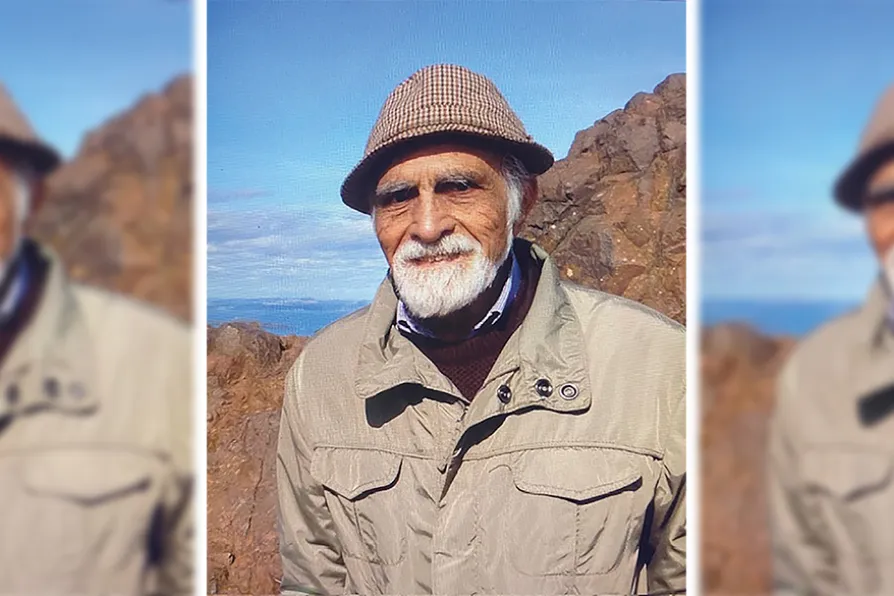
19.01.1930-23.04.2026
Kate Clark pays tribute to Ricardo, whose life spanned the hopes of Allende’s Chile, the horrors of military dictatorship and decades of campaigning for justice in exile
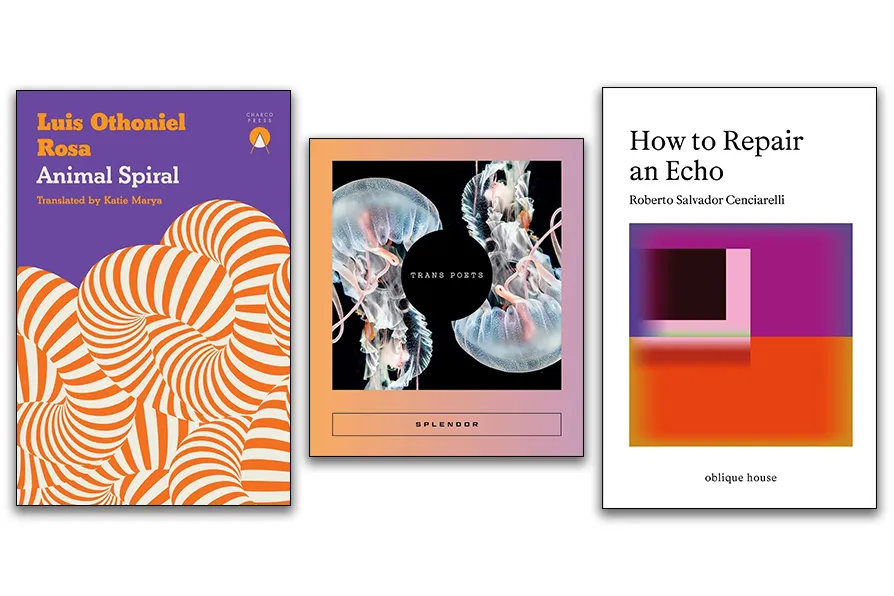
From post-human revolution in Puerto Rico to trans poetics and queer mythmaking, these three books that imagine new ways of being together
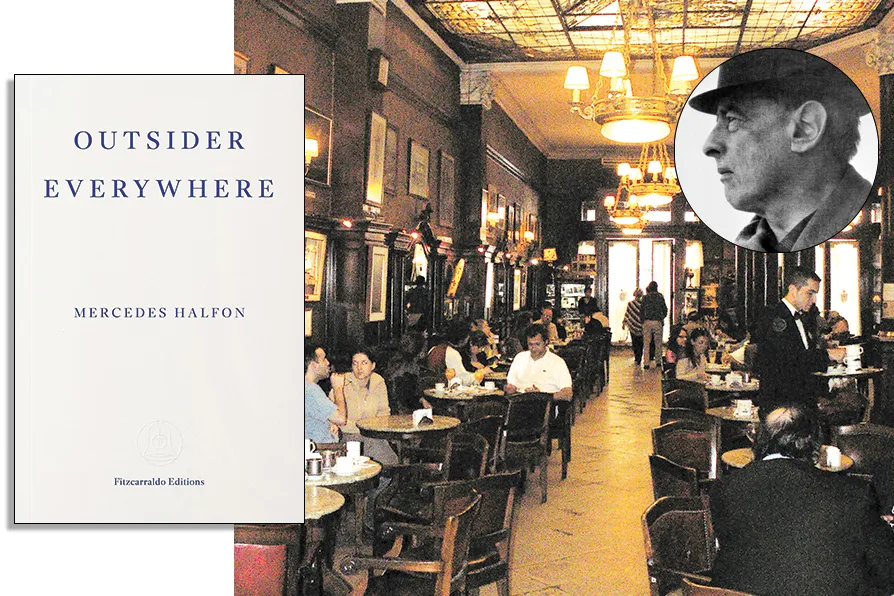
CHRIS MOSS joins the hunt in Argentina for the works of Poland’s most enigmatic exile
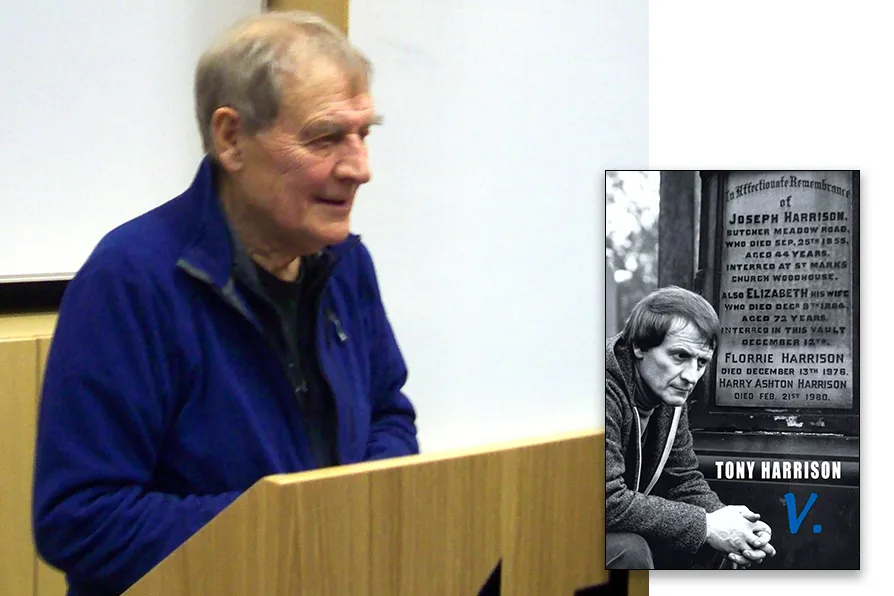
ALAN MORRISON celebrates life and work of the late Tony Harrison, 1937-2025