PAUL DONOVAN applauds an intriguing multi-layered depiction, dominated by a stunning impersonation of Marilyn herself


 Latest editorial

Films by and for the people
JOHN GREEN reflects on the history of working-class access to broadcast media
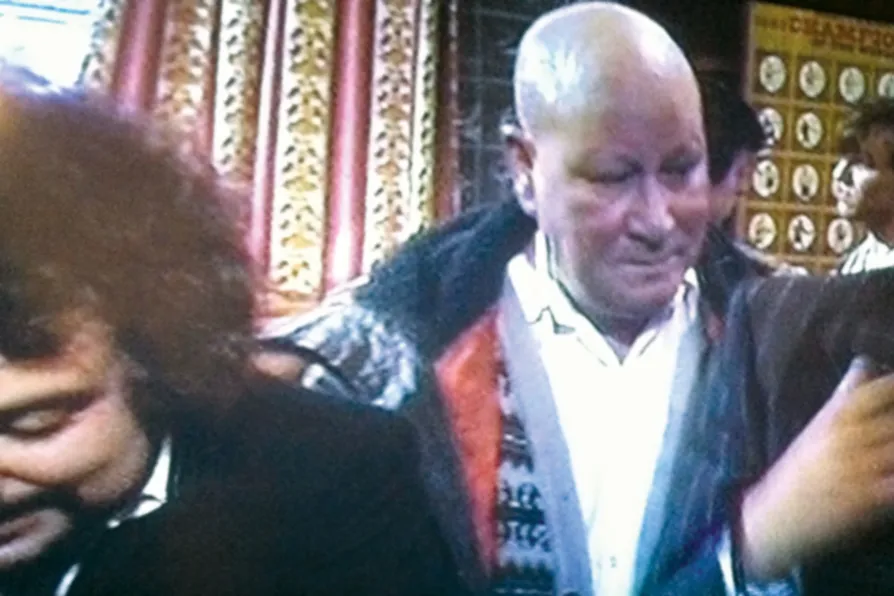 MEMORABLE: Chrissie, Shake Hands and Loggo from Boys from the Blackstuff
[Pic: DNQA/flickr/CC]
MEMORABLE: Chrissie, Shake Hands and Loggo from Boys from the Blackstuff
[Pic: DNQA/flickr/CC]
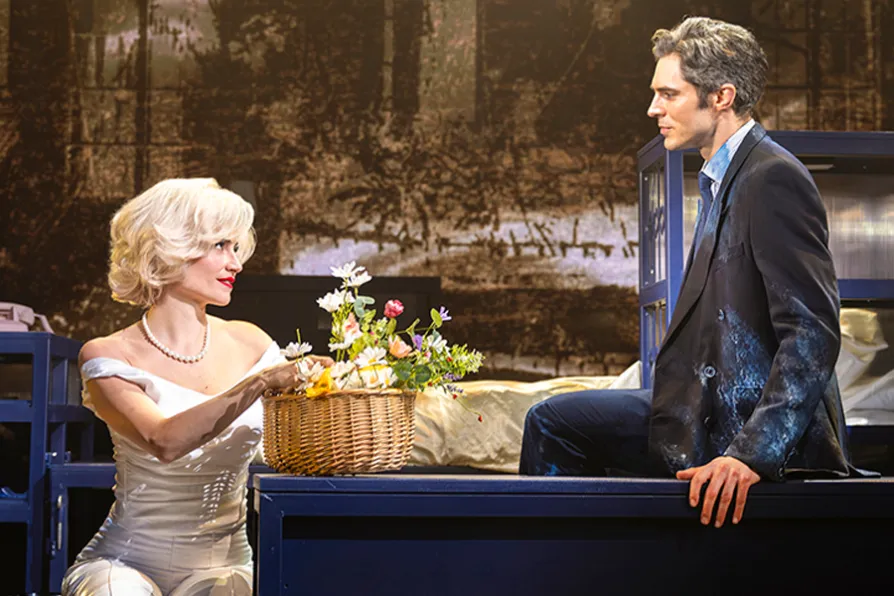
LEO BOIX applauds an audacious, self-questioning film about grief, friendship and film-making
MARY CONWAY admires a brave and topical study of Armageddon that is, unfortunately, unable to come to a conclusion
ANDY HEDGECOCK, JAMES WALSH and JAMIE BRITTON review Hanging by a Wire, I Want Your Sex, The Pout-Pout Fish, and Rise of the Foot Soldier: Retribution
Chris Searle speaks to US pianist RAN BLAKE
The Bard hands out medals for his Edinburgh campaign and urges us to support The Men They Couldn’t Hang





LENIN was probably the first politician to recognise the unique potential of film when he called it “the most important of the arts”. He saw its educational and propaganda possibilities.
In the early days of the Soviet Union films were used in the agit-prop trains that visited isolated and semi-literate communities throughout the vast territory of the country, showing what revolutionary changes were taking place and explaining class struggle.
In Britain, there is a long tradition of working-class film making, largely inspired by the Soviet example, but it has always been confined to the margins, largely due to the lack of finance, access to equipment and distribution networks.

Similar stories
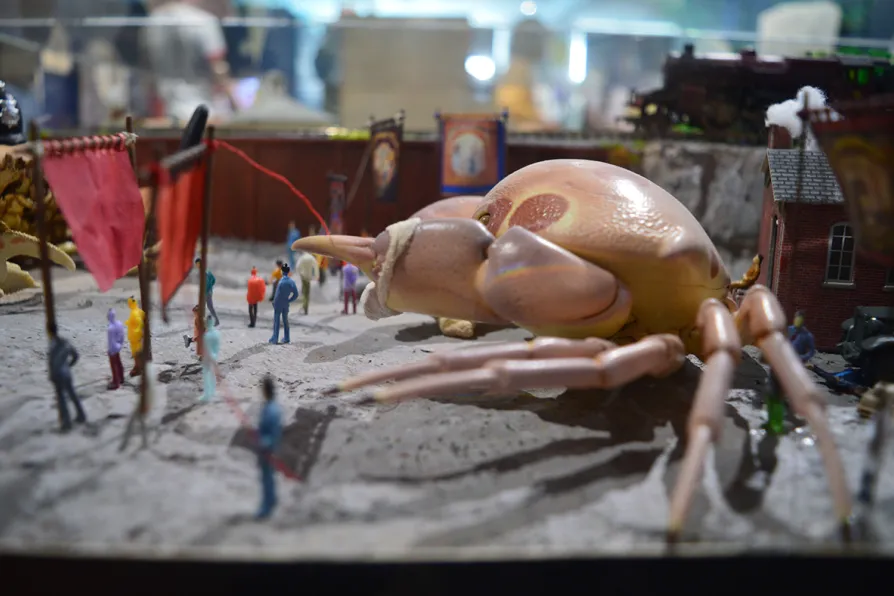
From Margate to Deal, mining memories are being kept alive. National co-ordinator for General Strike 100, HENRY FOWLER continued his nationwide tour of partner organisations in the Garden of England
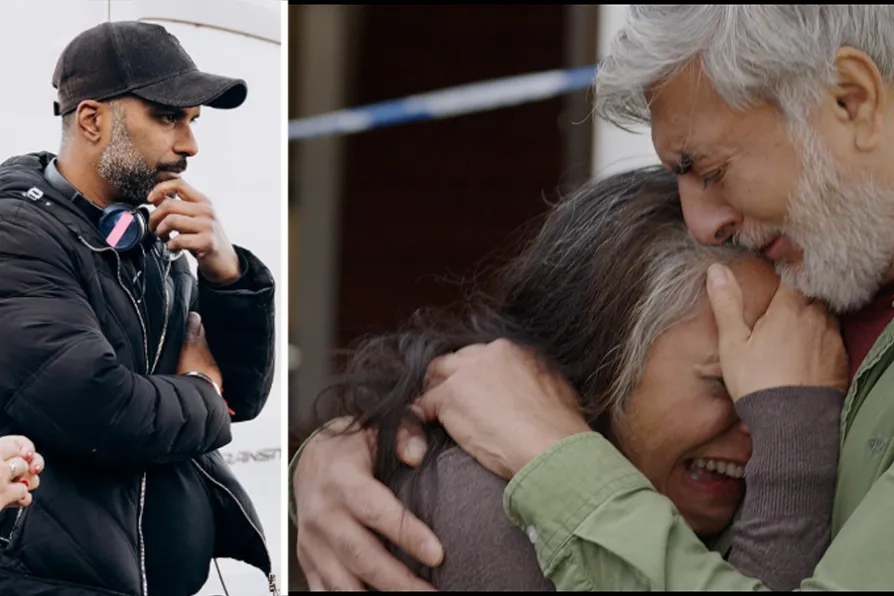
Angus Reid speaks to JAZZ BHALLA about the genesis of his superb feature debut, Never Had A Chance, in cinemas this weekend

Nature as well as society works dialectically, asserts the Marx Memorial Library and Workers’ School
RITA DI SANTO talks to Scottish-Irish filmmaker MARK COUSINS about his new panorama of world cinema The Story of Documentary Film