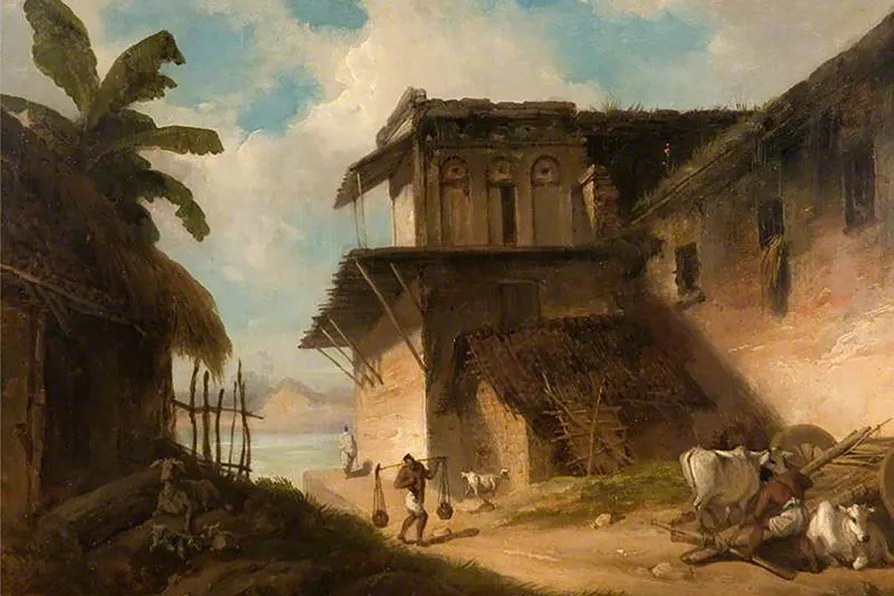
APURBA CHATTERJEE explains how British artists in India used the “picturesque” to reshape colonial landscapes and celebrate imperial power


 Latest editorial

Being ‘poor and a faggot’ in Pinochet’s Chile
LEO BOIX recommends a film that portrays how fascism feeds on ignorance, machismo and myth in isolated communities abandoned by the state
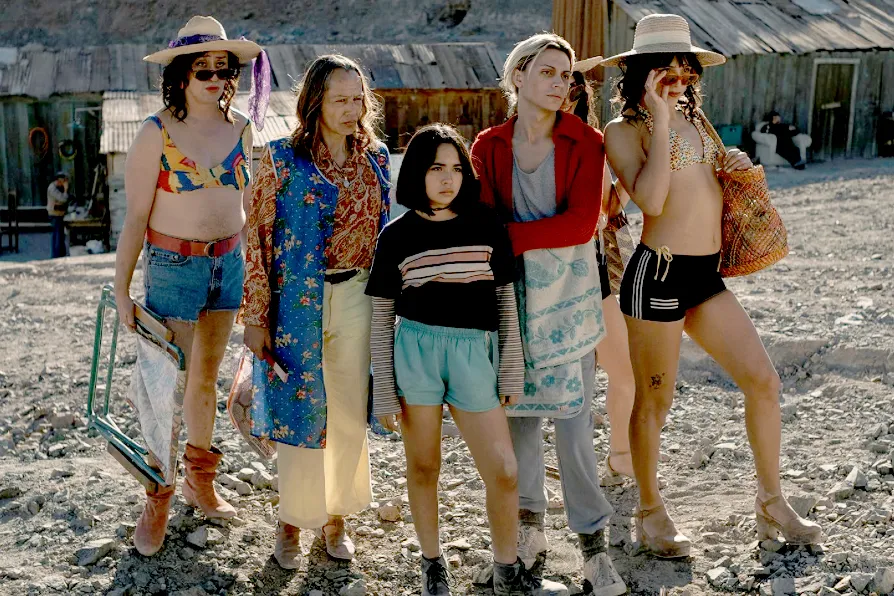 COLLECTIVE TENDERNESS: Matias Catalan, Tamara Cortes, and Paula Dinamarca in The Mysterious Gaze of the Flamingo [Pic: IMDb]
PAUL DONOVAN welcomes a revival of Reginald Rose’s classic play that reminds us of the fundamental need for trials with juries
SIMON PARSONS applauds an exceptional performance of Wesker’s little-known play, by the same actor for whom it was written 45 years ago
ANDY HEDGECOCK and MARIA DUARTE review Late Fame, The Death of Robin Hood, Leviticus, and Gail Daughtry and the Celebrity Sex Pass
ANGUS REID recommends a uniquely accomplished documentary collage that contemplates our relation to the natural world
GORDON PARSONS enjoys Kant’s ‘mind-boggling’ theory of human reality: that we create the reality we experience





The Mysterious Gaze of the Flamingo
Directed by Diego Cespedes
⭑⭑⭑⭑⭑
PEDRO LEMEBEL’s iconic manifesto-poem I Speak For My Difference hovers over Diego Cespedes’ extraordinary feature debut The Mysterious Gaze of the Flamingo, and especially those unforgettable lines: “Being poor and a faggot is worse / you gotta be rough to bear it.”
Cespedes understands this intimately. His film is not simply about queer suffering under dictatorship, but about class, labour, solidarity and survival at the very edges of capitalism.
Set in a remote mining settlement in northern Chile during the early 1980s, under Augusto Pinochet’s violent regime, the film unfolds in the stark beauty of the Atacama Desert. The miners extract wealth from the earth while remaining trapped in precarity themselves; nearby, a group of transvestites survive through performance, care work and mutual protection. Both communities are exploited, disposable bodies under dictatorship and capital alike.
The story centres on Lidia (Tamara Cortes), a shy, watchful girl whose adopted mother, Flamingo (Matias Catalan), is dying from Aids. Rumours spread through the town that the illness is transmitted through a mysterious gaze, turning queer bodies into objects of fear and superstition. Cespedes brilliantly captures how fascism feeds on ignorance, machismo and myth, especially in isolated communities abandoned by the state.
Yet the film refuses miserabilism. What emerges instead is a deeply moving portrait of collective tenderness. The trans women care for one another with humour, theatricality and defiant glamour, transforming the desert canteen into a sanctuary of sequins, gossip and resistance. Paula Dinamarca is magnetic as Mama Boa, the fierce matriarch who watches over the group with equal parts exhaustion and love.
Cespedes is also attentive to the contradictions of working-class masculinity. The miners are often brutal, especially towards queer people, but the film never reduces them to caricature. As violence escalates, unexpected forms of solidarity begin to emerge. In one of the film’s greatest achievements, Cespedes suggests that compassion can survive even within systems built on extraction, repression and fear.
Visually, the film is stunning. Angello Faccini’s cinematography transforms the Atacama into both a dreamscape and a wasteland, while Florencia Di Concilio’s score moves elegantly between melancholy and menace. There are echoes of Almodovar and Sebastian Lelio’s A Fantastic Woman, but The Mysterious Gaze of the Flamingo possesses a political urgency and emotional texture entirely its own.
This is queer cinema at its most furious, tender and unforgettable.
Streaming on Mubi from May 15.
