Andy Burnham could learn a few lessons from a previous Labour government in the pre-privatisation era on how to tackle water shortages, writes KEITH FLETT


 Latest editorial

Another nail in the freedom of speech coffin
DEIRDRE O’CONNOR warns about a big shift in how freedom of speech and protest are treated in new policy document before Parliament today
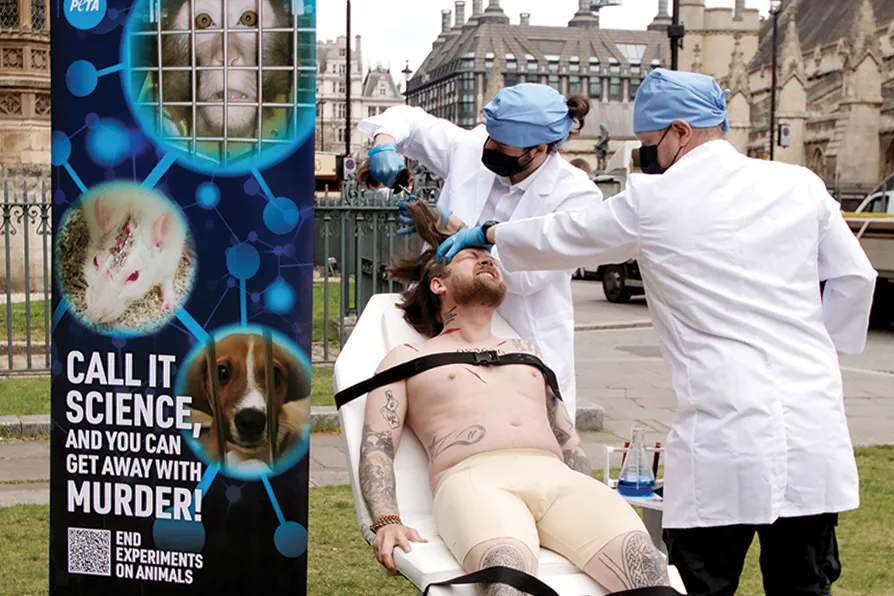 VIVID PICTURE: Activists from PETA (People for the Ethical Treatment of Animals) in Westminster on April 24 2025, London, protest against animal testing in laboratories
North East Volunteers for Liberty plan to mark a double anniversary in October for local heroes who stood firm against tyranny, writes TONY FOX
India’s monsoon is running below normal overall, yet extreme rainfall has already caused deadly flooding in Kerala, explains LIGIN JOSEPH
Renewed illusions in social democratic reformism are sprouting as a result of Andy Burnham’s rhetoric, but material conditions are already intruding into the debate, argues NICK WRIGHT
The US is hell-bent on dismantling the International Criminal Court as part of its assault on global legal systems, but others also have valid reasons to seek its demise. BEN CHACKO provides the analysis





IT’S BECOMING more common in British politics nowadays to deal with peaceful protests and criticisms, not by addressing them, but by making it harder for people to speak out.
Today, Wednesday January 14, that approach takes a worrying form as MPs are due to vote on a piece of secondary legislation under the Public Order Act 2023 that would label animal testing facilities as “key national infrastructure.”
That would put private labs in the same category as airports, major roads, or military sites. Places the government says are essential to daily life or national security.
This is not a small or technical change. It would give police even wider powers to limit protest, with tough penalties such as hefty fines and even prison sentences.
Croydon West MP and Policing and Crime Minister Sarah Jones has confirmed that the amendment would also cover online speech, so it would not just apply to peaceful protests outside these facilities. Online campaigning activity could also fall under these, often vaguely worded, rules.
That alone should worry people.
The idea that someone could be policed for what they say online, in defence of private companies, is a big shift in how freedom of speech and protest are treated.
And it matters far beyond animal testing.
Once the government decides a private industry can be protected from protest by calling it “key national infrastructure,” it opens the door for any sector facing public opposition or scrutiny to make the same claim, and anything that attracts organised protest could be treated the same way.
The government argues that this is about safety. But the law already lets the police act against harassment, threats, criminal damage and intimidation.
There are already strict rules to manage protest. This amendment isn’t filling a gap, it’s just making it easier to stop lawful protest altogether.
There’s also a public cost. Extra policing around these facilities would be paid for by taxpayers, even though many of the companies involved are wealthy, private and foreign-owned.
Anyone accused of breaking these new rules would go into courts that are already struggling to cope. At a time when our police, courts, and prisons are under huge pressure, I believe this is a serious misuse of public resources.
It’s also worrying how quietly and quickly the government are trying to push this through. Secondary legislation means there is very little debate and no public consultation, unless MPs actively step in and oppose.
Laws that affect basic democratic rights shouldn’t be rushed or hidden. This is about whether freedom of expression is democratically treated or as something to be controlled and restricted.
As the vote is today I am urgently asking anyone concerned to contact their MPs directly, or you can use the petition template from the “Protect The Wild” website and ask them to oppose this amendment.
Whatever your view on animal testing, this is about defending our rights before they continue to be legislated away.

Similar stories
CJ ATKINS takes a closer look at Trump’s recent spate of red-baiting speeches and asks why the authoritarian president is running scared

Sexual harassment on Britain’s railways is rising sharply, according to the British Transport Police, yet too many women still feel reporting is futile. LYNNE WALSH asks why the burden of safety all too often remains on women themselves
ANSELM ELDERGILL examines the difficulties surrounding freedom of expression
JOHN GREEN has doubts about the efficacy of the Freedom of Information Act, once trumpeted by Tony Blair