

 Latest editorial

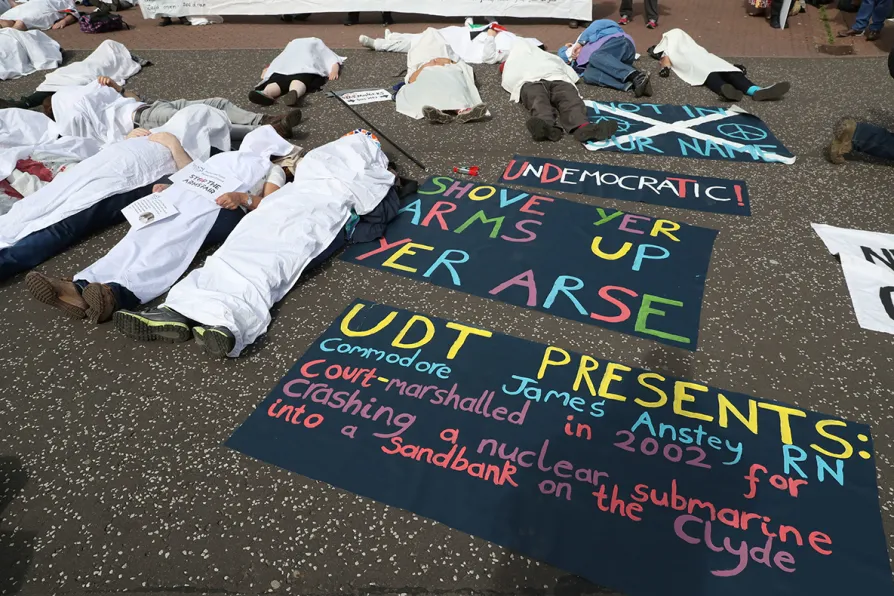





DEVELOPING countries will be thrown deeper into poverty by the extreme capitalist TTIP trade deal between the US and EU, the Fairtrade Foundation said yesterday.
The hugely controversial Transatlantic Trade and Investment Partnership (TTIP) is feared to cut exports from developing countries, who have been shut out of the secret talks at which the pact is being thrashed out.
World leaders including Prime Minister David Cameron are also set to adopt United Nations sustainable development goals (SDGs) later this month, which aim to end global poverty and reduce inequality.

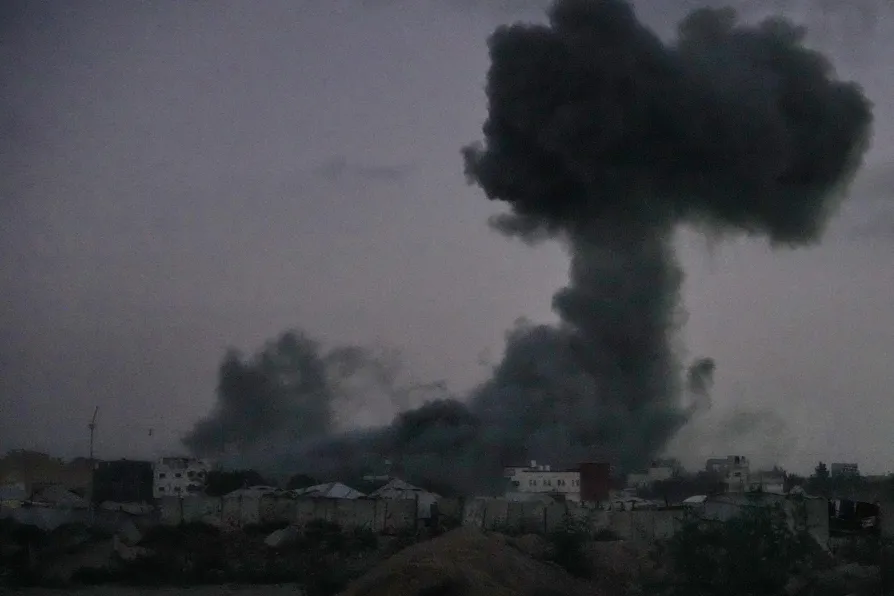
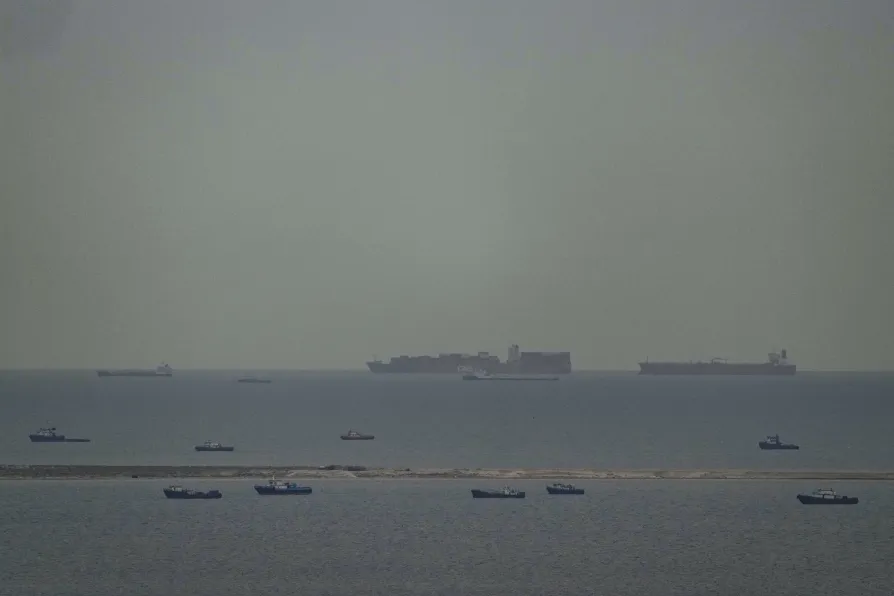
Fertiliser chaos triggered by Gulf conflict could send prices soaring and leave millions facing devastating hunger, writes DYLAN MURPHY
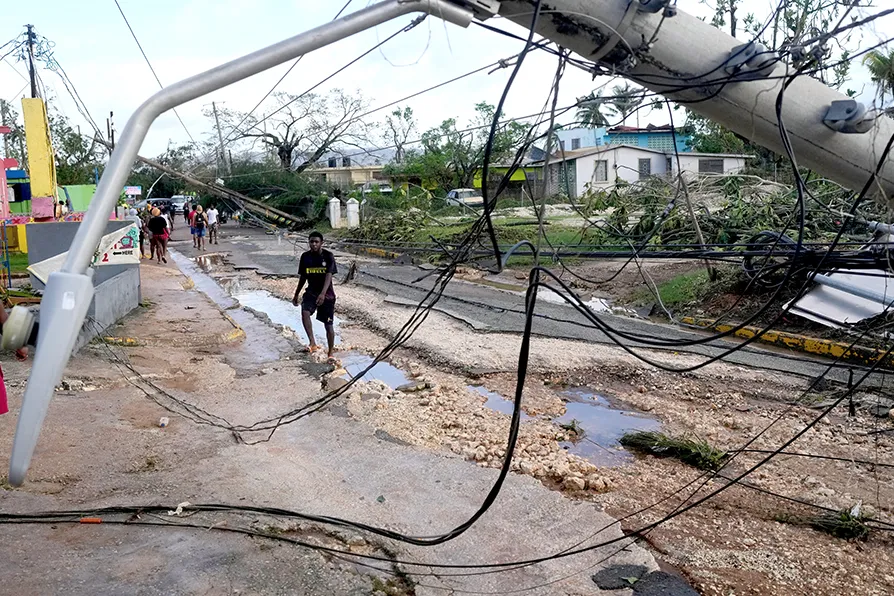
Hurricanes might have natural causes but the tragedy that follows is entirely human-made and a consequence of capitalist greed, asserts ROGER McKENZIE
One of the major criticisms of China’s breakneck development in recent decades has been the impact on nature — returning after 15 years away, BEN CHACKO assessed whether the government’s recent turn to environmentalism has yielded results