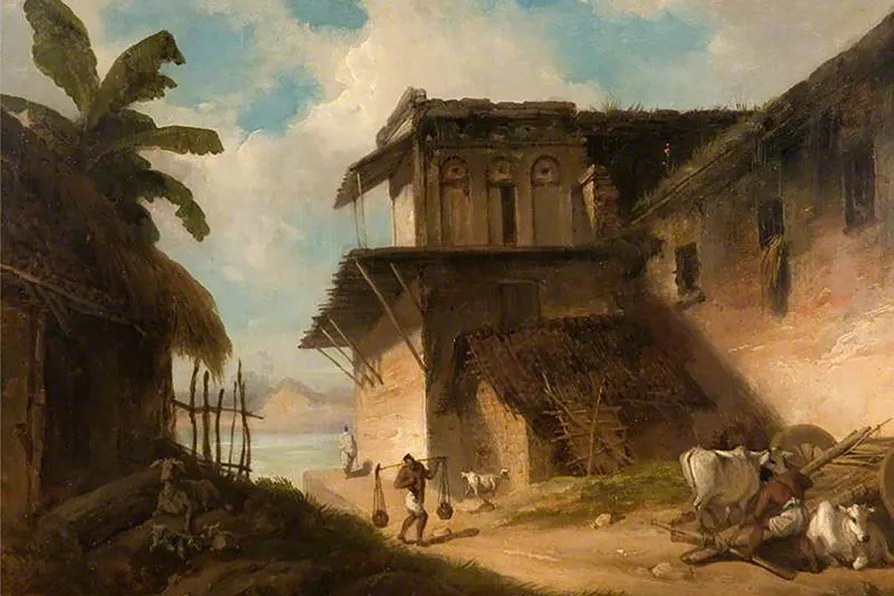
APURBA CHATTERJEE explains how British artists in India used the “picturesque” to reshape colonial landscapes and celebrate imperial power


 Latest editorial

Classy revival of Arnold Wesker’s study of working women
SIMON PARSONS applauds an exceptional performance of Wesker’s little-known play, by the same actor for whom it was written 45 years ago
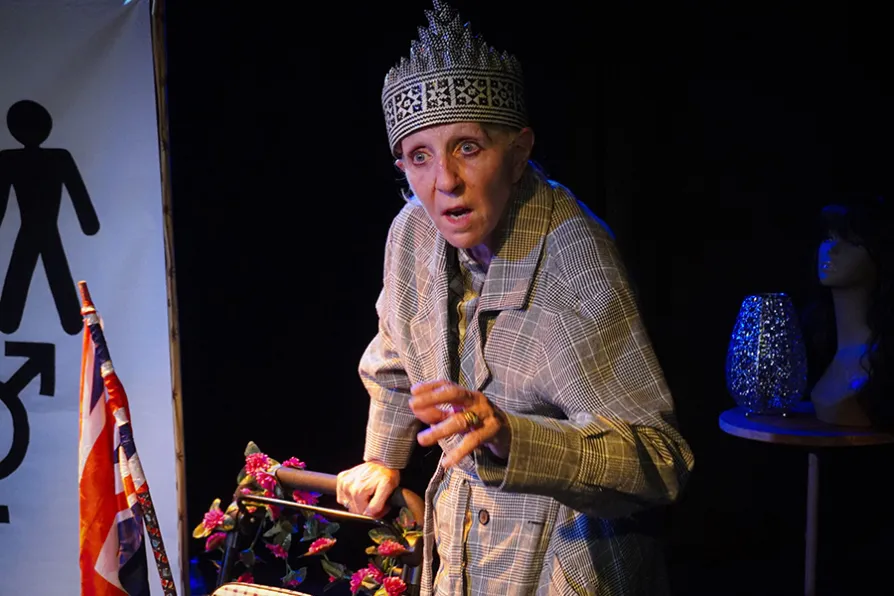 VIRTUOSO: Nichola McAuliffe in Annie Wobbler [Pic: Ella Carmen Dale]
PAUL DONOVAN welcomes a revival of Reginald Rose’s classic play that reminds us of the fundamental need for trials with juries
ANDY HEDGECOCK and MARIA DUARTE review Late Fame, The Death of Robin Hood, Leviticus, and Gail Daughtry and the Celebrity Sex Pass
ANGUS REID recommends a uniquely accomplished documentary collage that contemplates our relation to the natural world
GORDON PARSONS enjoys Kant’s ‘mind-boggling’ theory of human reality: that we create the reality we experience





Annie Wobbler (Revisited)
Finborough Theatre, London
⭑⭑⭑⭑⭑
FORTY-FIVE years after Arnold Wesker wrote Annie Wobbler for Nichola McAuliffe, the Olivier Award-winning actor returns with a revamped production. Both the modernisation with references to social media, Farage and ChatGPT, and the dynamic range of performances are testimonies to McAuliffe’s passion for Wesker’s play.
The series of dramatic monologues reveals snapshots of three very different women coming to terms with their own identities. Rearranged from the original order, McAuliffe seamlessly slips between the contrasting roles, from working-class graduate Anna, getting ready for a date, to successful middle-aged novelist Annabella preparing to be interviewed, to an old cleaning lady Annie revisiting memories of employer and police questions.
It is an exceptional performance switching between ages, accents and strikingly different demeanours with remarkable fluency even within the context of one of the roles.
In response to a series of questions about her success, Annabella instantly transforms from a softly spoken, dismissive, self-deprecating persona drifting around the stage claiming she is not responsible for what she writes to an aggressive, boastful hunter of success feeding off “a rich vein of contemporary stupidity” and berating the interviewer, while doing her daily workout before exploring another more elusive, clipped accented, medicated and tearful persona.
On a stage flanked by several naked mannequins, a range of wigs and a central dressing screen, the quest for a woman’s identity is the essence of Wesker’s sharply written drama. Questions about appearance, success and survival are the concerns of all three women as they respond to their different fears about who they are in a world where they are forced to fit in.
Wesker was insistent that the play was not a series of monologues and, with a range of off-stage voices and the multiple characters McAuliffe embodies, the audience experiences something much larger than a series of interior voices. From Anna’s amusingly tough self-scrutiny as having a gargoylian loveliness and debating whether her arrogant date is a good catch or a scrote, to the pathos of homeless Annie’s memories of always working for others better off than herself financially, physically or mentally, this is a rich and complete drama.
This reworking of one of Wesker’s lesser-known plays reminds us of what an accomplished dramatist he was. With McAuliffe’s unflagging energy, this sensitive updating and restructuring of Annie Wobbler is a treat. The questions her fully fledged characters ask about how Western women are forced to shape themselves for the world they live in are all still relevant and need answering.
“Truly stunning… powerful stuff indeed. And most skilfully built up to make a very disturbing piece of theatre,” was Jo Stanley’s review of the original production over 40 years ago, but these words could be written just as easily today for this highly enjoyable production.
Runs until September 26. Box office: (020) 7244-7439, finboroughtheatre.co.uk.

Similar stories
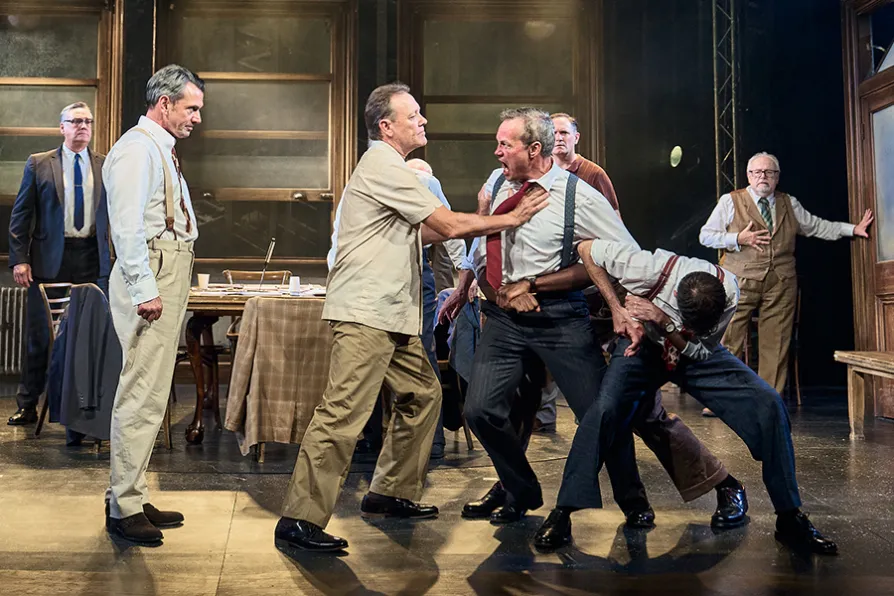
PAUL DONOVAN welcomes a revival of Reginald Rose’s classic play that reminds us of the fundamental need for trials with juries
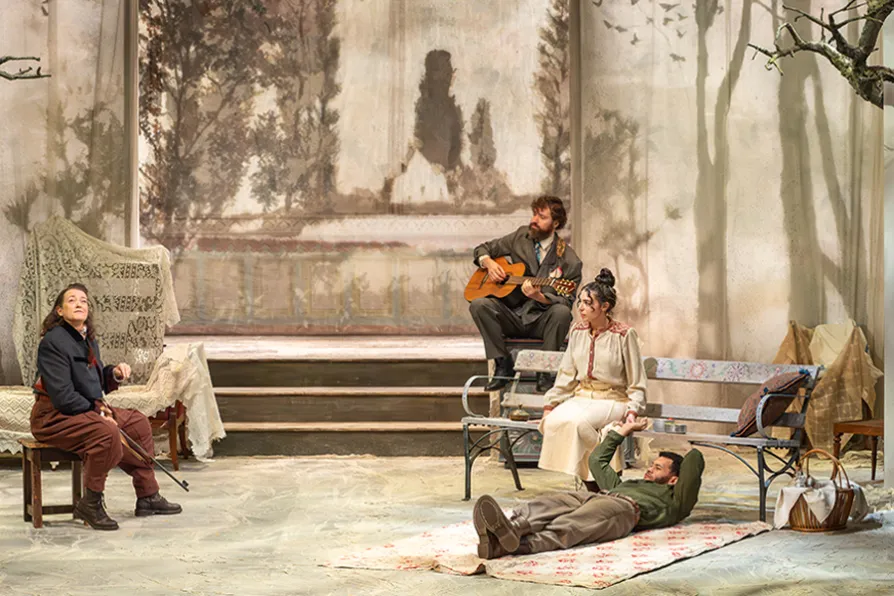
GORDON PARSONS appreciates fine performances and a feel for ambiguity, but misses the music of the dialogue
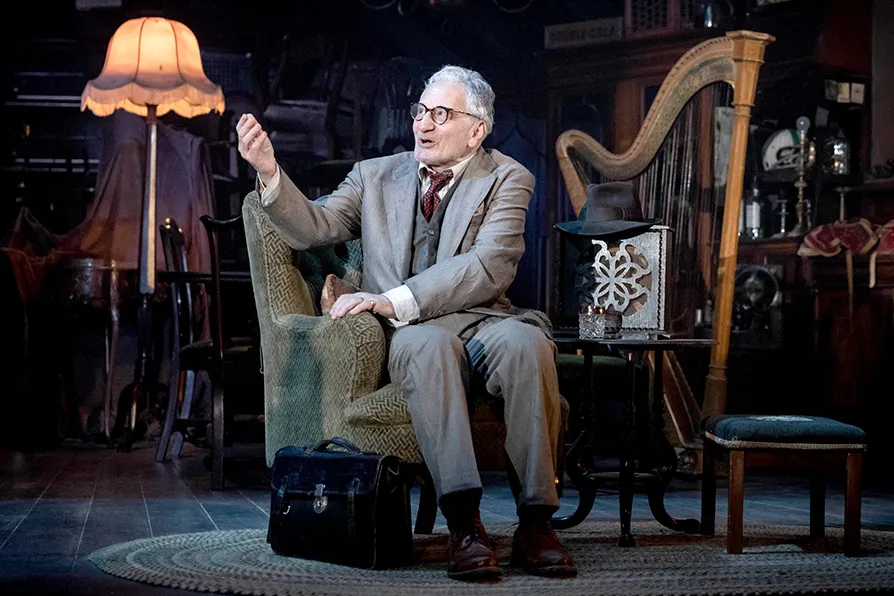
MARY CONWAY applauds the timely revival of Miller’s study of people fatally deformed by the economics of survival
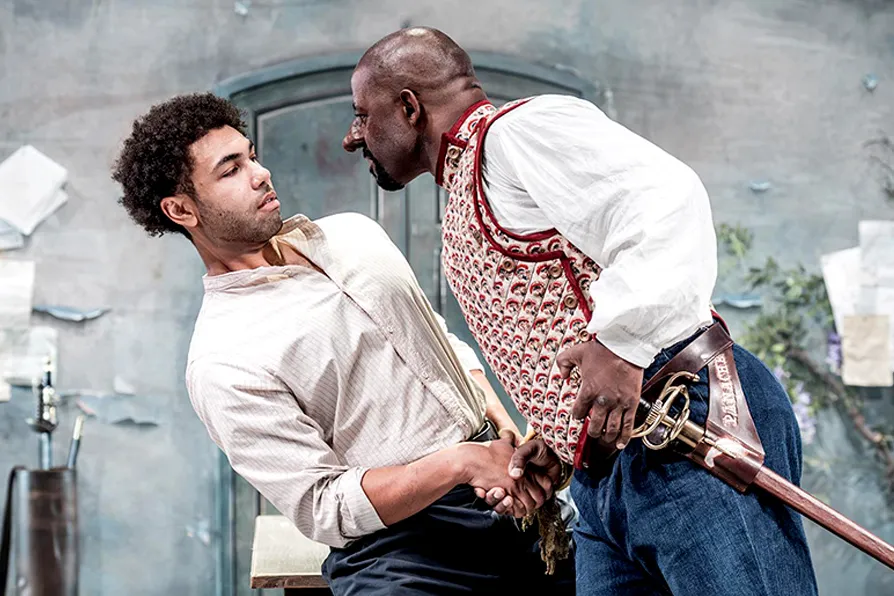
GORDON PARSONS is blown away by a superb production of Rostand’s comedy of verbal panache and swordmanship