Latest editorial
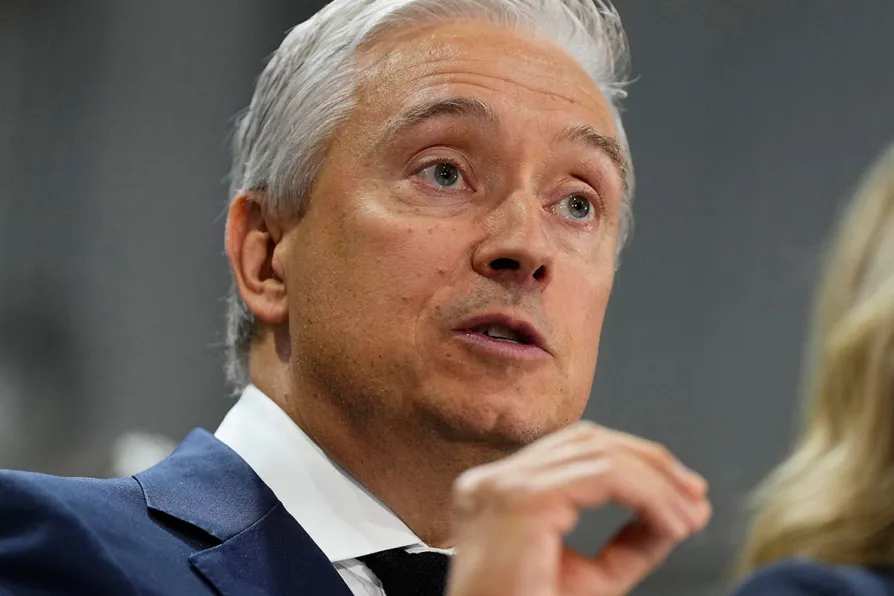 Canada Minister of Finance and National Revenue Francois-Philippe Champagne speaks during a news conference on Canada's response to US tariffs, August 25, 2026






CANADA hit back at the United States with retaliatory tariffs on about $20 billion (around £15bn) worth of US goods.
They include steel, dairy products, appliances and farm equipment, as the trade war between the once-friendly neighbours escalated sharply.
The confrontation threatened one of the world’s largest trading relationships and further strained ties between the US and a country long considered one of its closest allies.
A prolonged dispute could raise costs for US businesses and consumers ahead of November’s midterm elections.
The new tariffs extended well beyond industrial goods, hitting everyday purchases such as seafood, cheese, clothing, cosmetics and toilet paper, with some facing duties as high as 50 per cent.
“We did not choose this conflict, but when our economic integration is used as a weapon rather than the foundation for a win-win partnership, we need to stand up,” Finance Minister Francois-Philippe Champagne said in French, calling the situation “an unprecedented challenge imposed on Canada.”
Industry Minister Melanie Joly urged Canadians to buy Canadian goods to help launch a “movement of resistance.”
A senior Canadian official said Ottawa did not design the new measures around the US electoral map, unlike during President Donald Trump’s first term, when retaliatory tariffs were crafted to hit politically sensitive products.
Canada’s retaliation came after the Trump administration imposed 50 per cent tariffs over the weekend on Canadian goods following the collapse of trade negotiations.
Canadian Prime Minister Mark Carney accused Washington of trying to subordinate Canada and said US demands during the failed talks showed that Americans wanted to “destroy our major industries.”
Mr Trump added another provocation on Tuesday, saying the US was giving serious consideration to renaming Lake Ontario “Lake America.”
Such a change would resemble the increasingly erratic president’s executive order last year to rename the Gulf of Mexico to the Gulf of America.