

 Latest editorial
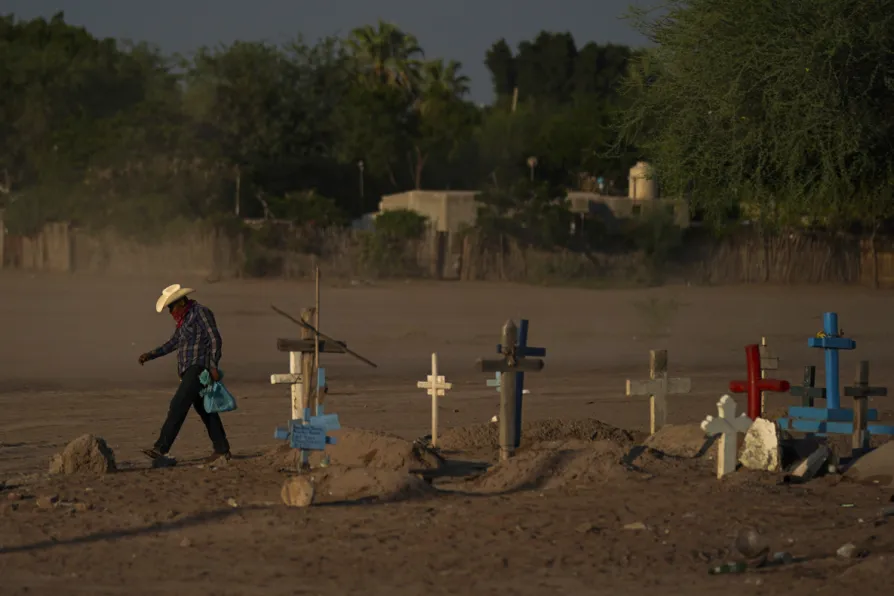 A Yaqui indigenous man walks past the cemetery where slain water-defence leader Tomas Rojo is buried in Potam, Mexico, September 27, 2022
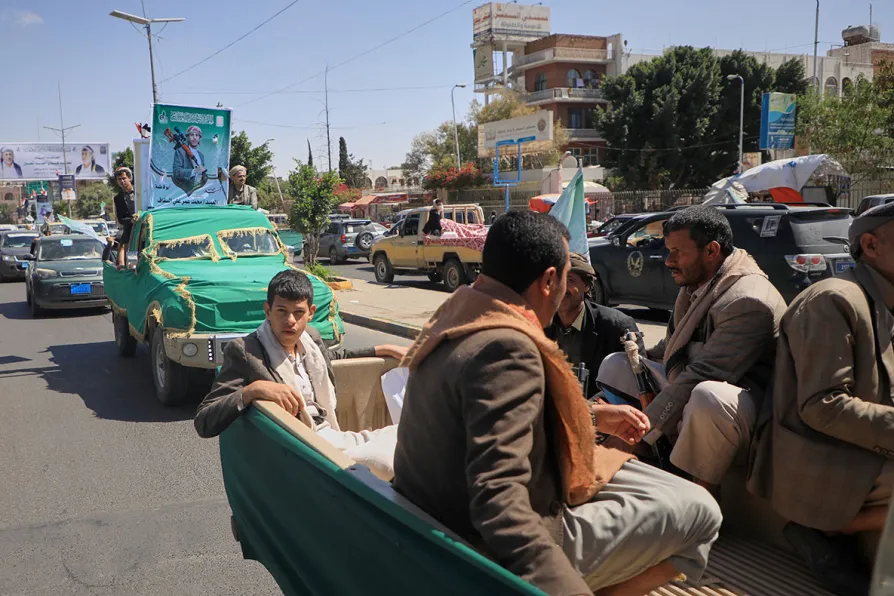





AT LEAST 124 land and environmental defenders were killed around the world last year, with Latin America accounting for 85 per cent of the deaths, according to a damning new report released today.
The annual report by environmental and human rights advocacy group Global Witness comes as conflicts over land and natural resources continue to put Indigenous people and small-scale farmers at risk.
The report documented 105 killings in Latin America in 2025. Colombia was the deadliest country for the fourth consecutive year, with 39 killings, followed by Brazil with 26. Honduras and the Philippines recorded 12 each.
Among those killed was Vicente Fernandes Vilhalva, a member of Brazil’s Guarani Kaiowa Indigenous people who was shot during an armed attack on his community in Mato Grosso do Sul in November.
His community has been involved in a long-running struggle to reclaim ancestral territory.
Together, Colombia and Brazil accounted for 52 per cent of all killings documented globally.
The worldwide toll fell for a second consecutive year, but the report cautioned that the decline does not necessarily mean environmental defenders are becoming safer.
The group says killings remain significantly under-reported, while land disputes, organised crime and competition over resources are increasingly converging in regions where communities are trying to protect forests, rivers and ancestral territories.
The group documented 142 killings and four disappearances in 2024 and 196 killings in 2023.
Killings fell in Colombia from 48 in 2024 to 39 last year and in Mexico from 19 to 10. In Brazil, they more than doubled from 12 to 26, while Honduras also recorded twice as many killings, with 12.
The report documented 2,375 killings and disappearances of land and environmental defenders since the organisation began tracking them in 2012, one of the few efforts to systematically compile such cases worldwide.
More than three-quarters of those killed in 2025 were Indigenous people, small-scale farmers or Afro-descendants, according to the report.
Forty-seven victims were small-scale farmers and 44 were Indigenous.
Organised crime was suspected of involvement in more than a third of killings, according to Global Witness, reflecting an increasing overlap between criminal activity and the exploitation of land and natural resources.
Astrid Torres, co-ordinator of the Colombian advocacy group Somos Defensores, accused armed groups of wanting “to impose their order against the interests of the communities and their own authorities.”
Brazil’s Ministry of Indigenous Peoples said reducing violence against Indigenous communities requires securing their territories, combating invasions and illegal activities and holding those responsible for crimes accountable.

FRANCISCO DOMINGUEZ introduces the background to a conference on defending Latin America’s sovereignty
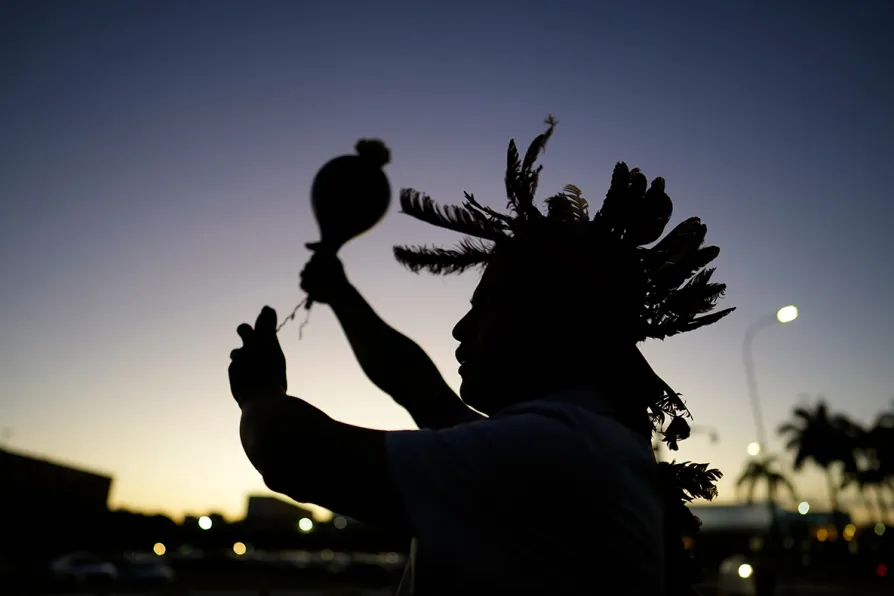
Powerful agribusiness interests are trying to overturn efforts by the Lula government to protect the environment and indigenous peoples of the Amazon region, writes GABRIELA SA PESSOA
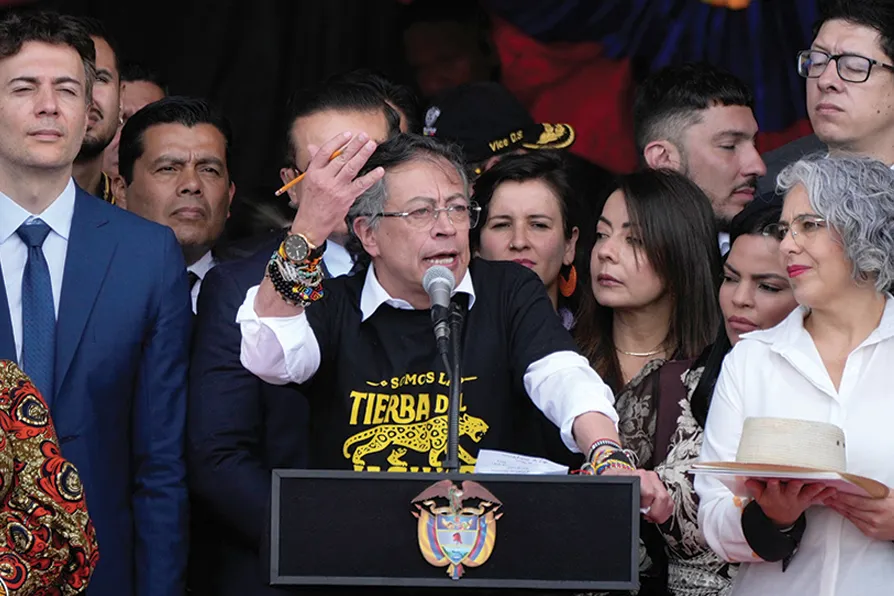
Latin America is being swept by a series of right-wing electoral victories. But behind that shift to the right lies less of an ideological conversion than anger, fear, insecurity, and a deep crisis of democracy, asserts MARC VANDEPITTE
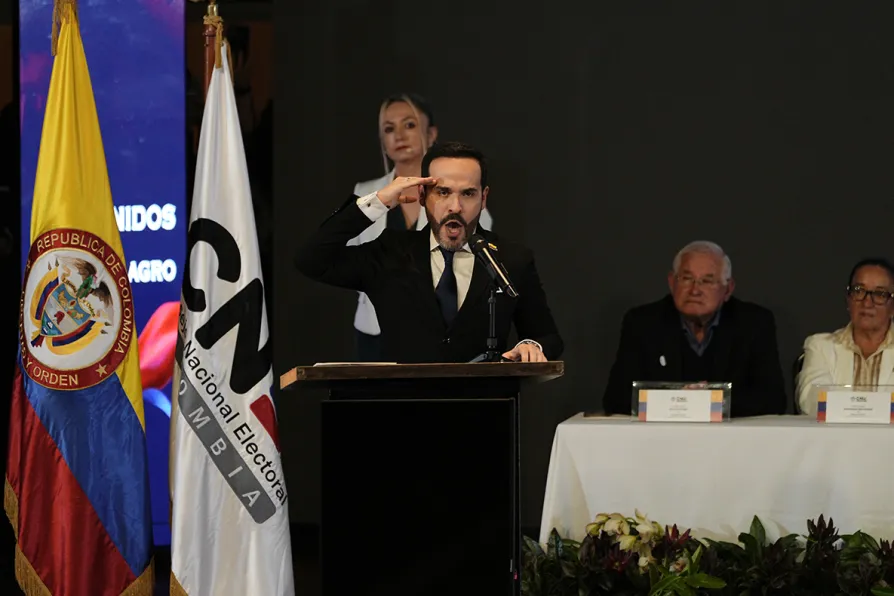
ENRIQUE SANTIAGO ROMERO says the Colombian far-right’s election victory is deeply suspect — and the United States has its fingerprints all over it