Latest editorial
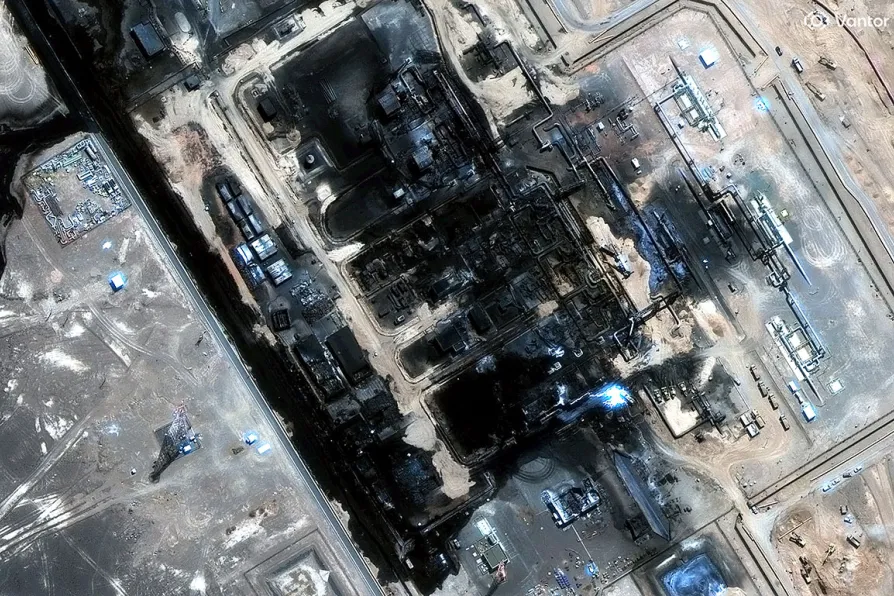 The aftermath of a drone attack on the East-West pipeline in Saudi Arabia, September 13, 2026






A CRUCIAL Saudi oil pipeline that was hit in an attack by Houthi-led Yemeni forces will be largely out of service for weeks while the damage is repaired, according to two regional officials.
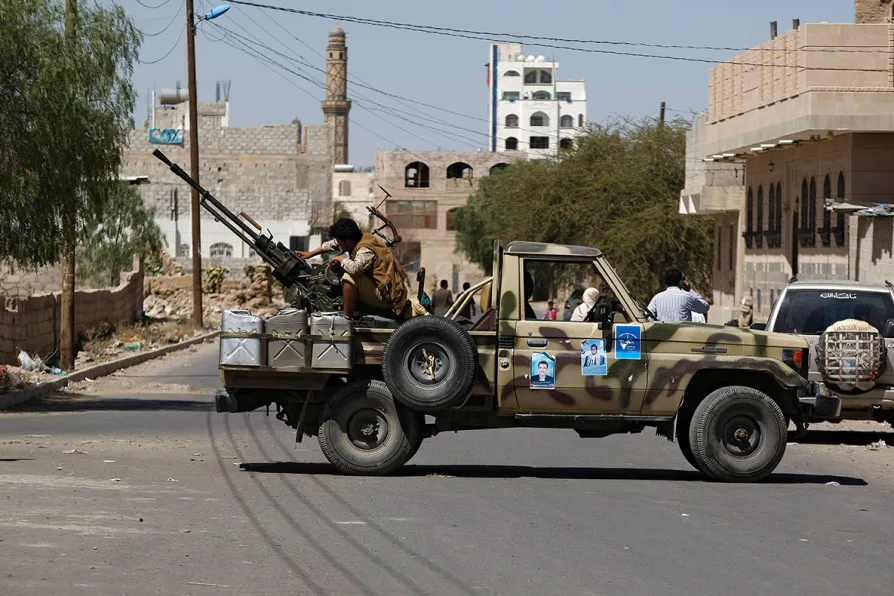
Houthi fighters seized more islands along Red Sea shipping routes on Monday, in a new blow to Saudi Arabia’s oil exports.
Oil prices rose by more than 2 per cent amid growing worries about global petroleum supplies and the effect of the new developments on the ability of the world’s biggest exporter to get its crude to market.
Since the United States and Israel launched their illegal and unprovoked war on Iran on February 28, Saudi Arabia has had to shift its exports away from the Persian Gulf due to Iranian attacks all but halting shipping through the Strait of Hormuz.
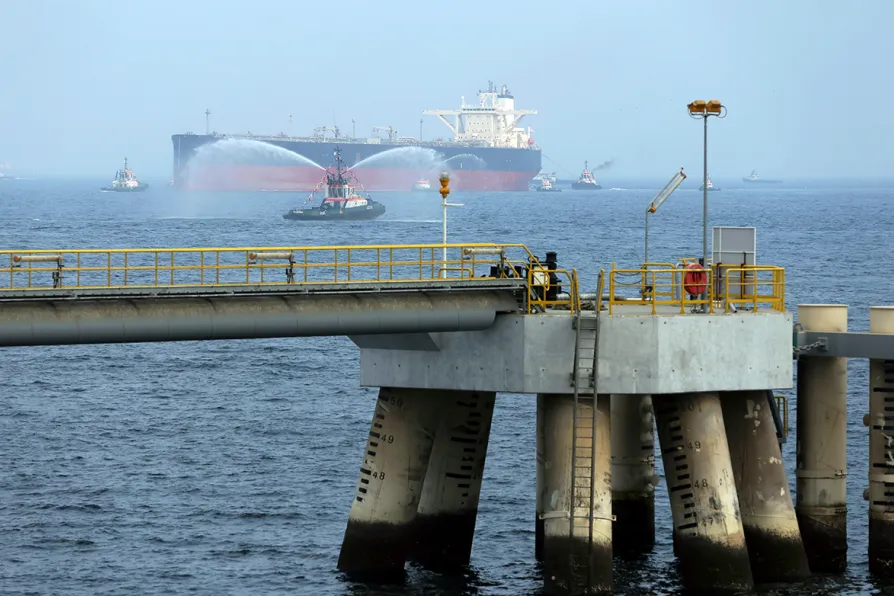
Instead, it has relied on the East-West Pipeline, which runs 745 miles across the country, to move its crude production from Gulf ports to Yanbu on the Red Sea, where it can be put on tankers for export.
But authorities were forced to shut down the pipeline after an attack on Thursday that Saudi Arabia blamed on drones from Iranian-backed militias in Iraq.
According to the sources, repairing the damage, including at a major pumping facility, could take three to five weeks.
The pipeline may work partially during the repairs, one of the officials said, but they could not say how much oil might get through.
It has been moving an average of 2.6 million to 4m barrels per day since late August, a quantity that will be lost to the market if the pipeline stops working completely, according to an analysis by Norway-based research firm Rystad Energy.
It said on Monday that the jump in the price of Brent crude, which has reached $109 (£81), “is a clear signal that the market is increasingly pricing in a significant loss of supply.”
Meanwhile, Houthi-led forces continued to expand their threat to Saudi shipping routes out of the Red Sea by capturing the strategic islands of Greater and Lesser Hanish, authorities said Monday.
The islands lie 100 miles north of the Bab el-Mandeb Strait. The strait is a choke point that connects the Red Sea to the open ocean and Saudi Arabia’s key Asian markets.