ROB WARZYNIAK recalls the emblematic 1906 book, The Jungle, in its analysis of the crisis presently engulfing the US Food and Drug Administration


 Latest editorial

Ignore the propaganda — Britain spends far too much on war already
British military spending is among the highest in the world, diverts scarce resources from far better causes and fuels international conflict. It’s time we made different choices, argues LIZ PAYNE
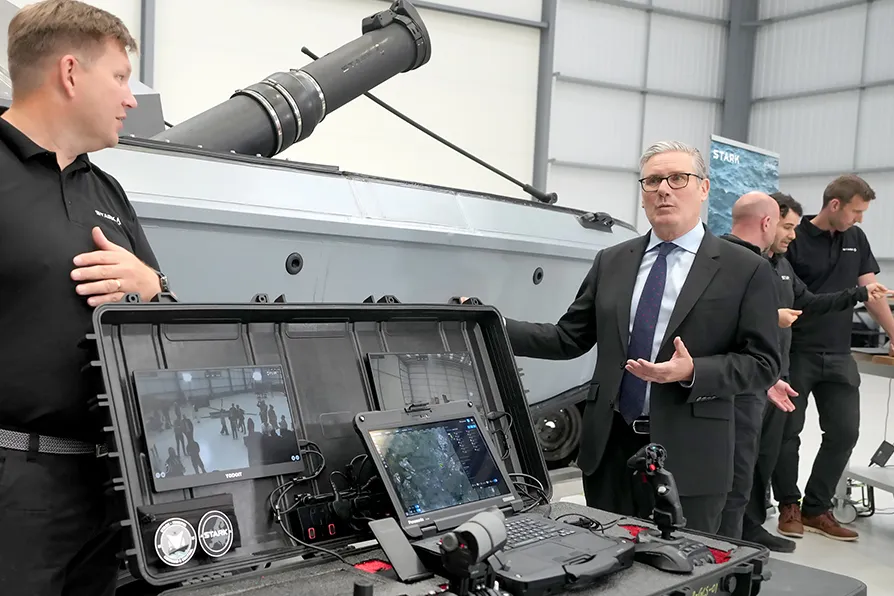 TAKING FROM WELFARE TO GIVE TO WARFARE: Keir Starmer during a visit to defence contractor Stark in Swindon on June 5 2026

Welsh wanderings showcase fiery destruction, alternative water ways and revive memories of a local mining legend, writes MARK SEDDON
As thousands die in the eastern DRC, a global health emergency is being starved of funds, says S KRISHNASWAMY
MAT COWARD explains how in the 17th century a row over whether to kneel at communion became a battle over religion, class and royal power
Renewed illusions in social democratic reformism are sprouting as a result of Andy Burnham’s rhetoric, but material conditions are already intruding into the debate, argues NICK WRIGHT
Andy Burnham could learn a few lessons from a previous Labour government in the pre-privatisation era on how to tackle water shortages, writes KEITH FLETT





RECENT media coverage following the resignation of “war” secretary John Healey on the grounds that the budget for so called “defence” in Britain was dangerously low has deliberately set out to poison people’s minds.
The clear objective has been to win over the public en masse for militarisation and war-preparedness with a barrage of lies on the grave danger in which the country supposedly finds itself.
Faced with threats from multiple enemies, so the narrative goes, the people of Britain need protecting. This calls for a huge increase in military spending and needs the unquestioning backing of everyone.
There is no division or class difference, so they would have us believe. We must all get behind a great British war effort and accept that the massive funding needed to make us conflict-ready at speed is to be paid for by further draconian cuts to public services and a slashing of provision for the vital needs of individuals and communities.
The truth is very different. Britain is already one of the closest allies of the United States, the most belligerent state on Earth. It has been for the last 80 years — facilitating US hegemonic strategy, providing use of British military bases at home and abroad to site US weapons of mass destruction and launch bombing raids across continents.
And far from joining US wars only to defend allies, as alleged, the military forces of the British government are direct aggressors in multiple theatres of conflict. Its spend is enormous but the appetite of the minority who benefit from death and destruction remains insatiable.
According to the Stockholm International Peace Research Institute (SIPRI), in 2025 the government’s annual war budget was the sixth largest in the world at over £60 billion, almost £165,000,000 each and every day.
And who benefits from that? For certain it is not the people of Britain nor the millions in Iran, Palestine, Lebanon and other war-torn targets of imperialist aggression.
But for the shareholders of the mega military-industrial complexes, it’s a different story. They, with their blood-soaked hands, are laughing all the way to the bank, delighting in demands to up the military spend year on year. They want more planes, more bombs, more drones, state-of the art technology. They will literally make a killing.
Figures are already eye-watering. British giant BAE Systems, described as “the UK’s flagship defence contractor,” is the fourth-largest arms producer in the world by annual revenue. It saw a 12 per cent increase in underlying earnings per share (EPS) last year and boasts an order book valued at over £83bn. Babcock saw a17 per cent increase in underlying operating profit and an EPS of 23 per cent.
Keir Starmer’s government, despite every election promise, has betrayed the British people and backed the industrial war machine, recently even announcing plans to use national security exemptions to give priority to British “defence” companies and their supply chains, feeding public money wherever possible into the British industrial giants.
At the same time, after years of relentless austerity, underfunding of public services and soaring living costs, poverty and desperation are blighting the lives of millions of people in Britain.
The Joseph Rowntree Foundation’s UK Poverty Report 2026 shows 21 per cent of adults and 31 per cent of children living in poverty. The figure will be 4 million children by 2030, the year the government plans to go to war! The number of those living in destitution has doubled since 2017. The poorest families in the country live on an average income 59 per cent below the poverty line.
It is to tackle this that public money, our money, must be used and not for developing ever more lethal weapons.
We know the cost of every nuclear-powered submarine, every aircraft carrier, every stealth fighter plane, every precision-guided bomb and every rifle that is fired. And we know the cost of every hospital, every refuge, every care centre, every school and college and every much-needed home. The choice is real and urgent.
We, the working class must fight for peace and come together to halt to our government’s complicity in killing and injuring thousands upon thousands of people across the world; destroying homes, livelihoods, and futures; eradicating infrastructure and polluting land and water sources; displacing millions and creating terror.
And, as we reject the turning of public funds into blood money, we must continue to campaign everywhere and at every opportunity for “welfare not warfare.” We must prioritise this in all aspects of our work, exposing the myth that there is no money to pay for public services and meeting people’s needs.
This government must commit to the eradication of poverty within the life of the current parliament using funding immediately diverted from the war budget — to give everyone in Britain a decent standard of life, together with access to restored public services, healthcare, education, and security at every stage of their lives.
We must also recognise that we cannot conduct our struggle alone. It is fundamentally part of a mass international fight for peace and a just and democratic future for all.
It is existential. Globally, governments spent £2.3 trillion on war in 2025. The total has risen for the 11th consecutive year. The hands of the Doomsday Clock are at 85 seconds to midnight, the closest they have ever been since 1947 when they were first set.
The danger of escalation of current wars — in Ukraine, Iran, Lebanon and Palestine — into major regional conflicts, triggering global conflagration, by accident or design, is enormous. Yet Nato at its upcoming summit in Turkey in July is seeking to make the organisation “stronger…and more lethal” than ever before.
As Katzumi Matsui, Mayor of Hiroshima, warned at the 80th anniversary commemoration of the US nuclear attack on Hiroshima last year, there is flagrant disregard for the lessons the international community should have learned from the tragedies of history. We must learn those lessons. We must demand peace.

Similar stories
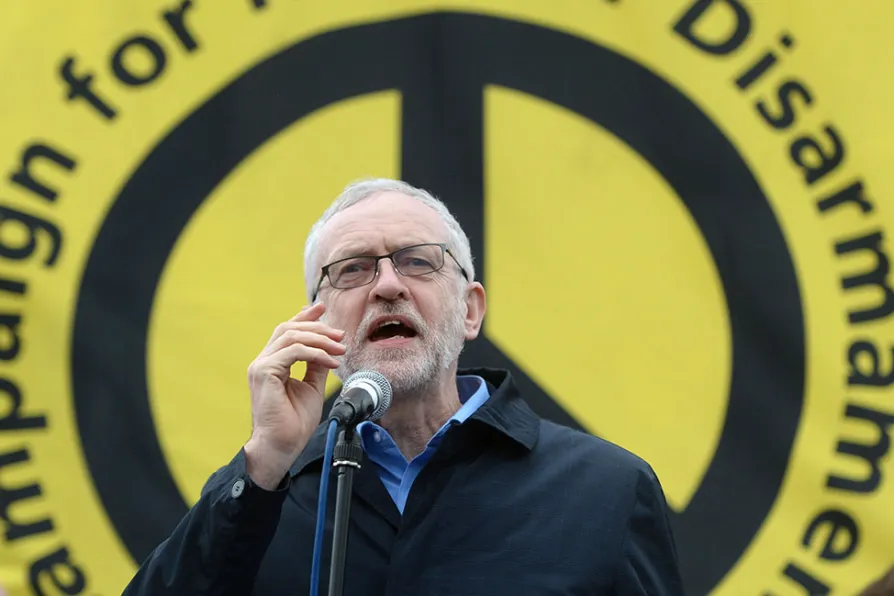
JEREMY CORBYN says we should never forget the horrific reality of nuclear weapons, or cease our efforts to rid the planet of them entirely

SOPHIE BOLT argues that spending more on military will harm rather than benefit Britain by diverting vital resources away from essential public services

We need a government that invests in saving lives not destroying them, argues SOPHIE BOLT
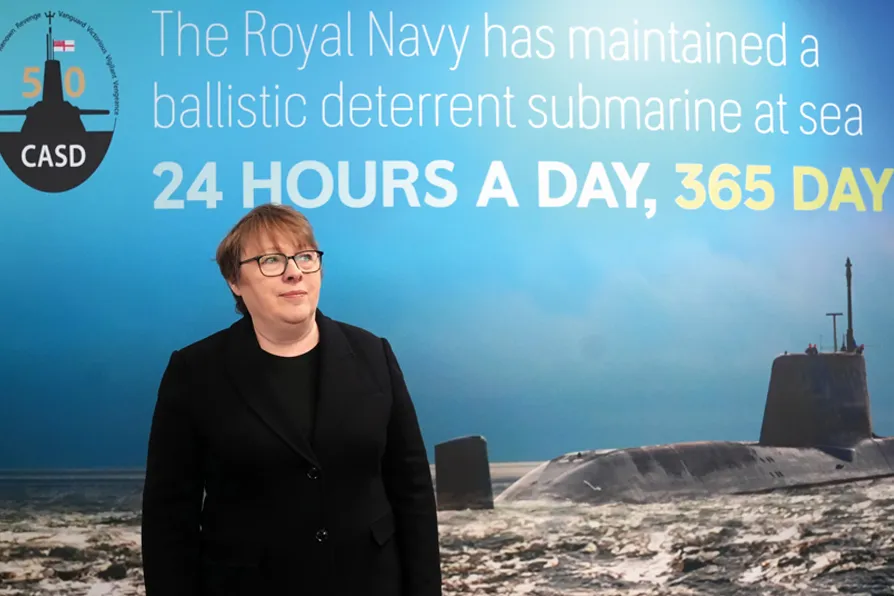
Expanding Britain’s nuclear capability increases the risk of nuclear confrontation. It does not keep us safe – it makes us a target, argues CAROL TURNER