

 Latest editorial

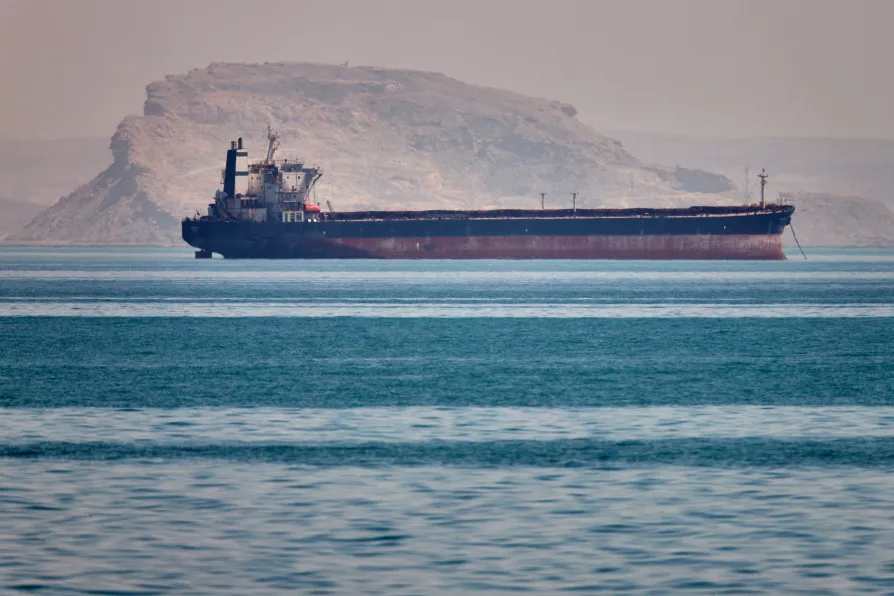 A bulk cargo ship sits at anchor in the Strait of Hormuz off Bandar Abbas, Iran, May 2, 2026
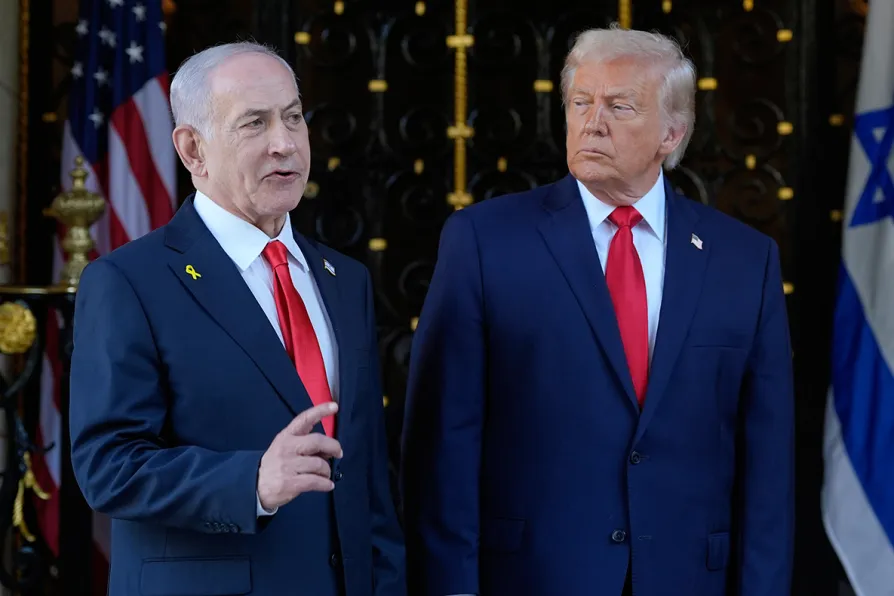





A CEASEFIRE with Iran is “not over,” despite escalating tensions in the Strait of Hormuz, US Defence Secretary Pete Hegseth said today.
The US military said it fired on Iranian forces and sank six small boats targeting civilian ships as it moved to forcefully reopen the waterway on Monday.
Mr Hegseth said US President Donald Trump will determine whether any escalation constitutes a “violation of ceasefire.”
“US aims to protect shipping from Iranian aggression,” he told a Pentagon news conference.
“The US won’t need to enter Iranian airspace or waters as part of opening the Strait of Hormuz.
“We’re not looking for a fight. They said they control the strait — they do not.”
The US defence chief warned Iran that his country would unleash “overwhelming firepower” if vessels carrying out trade are targeted during its so-called operation Project Freedom.
“As a direct gift from the United States to the world, we have established a powerful red, white, and blue dome over” the Strait of Hormuz, said Mr Hegseth.
The United Arab Emirates said its air defence systems shot down missiles and drones from Iran for a second day, including at least 15 missiles, with an oil facility in Fujairah hit.
An unnamed Iranian military official said the fire was not a planned attack and blamed the US.
“The Islamic Republic had no pre‑planned programme to attack the mentioned oil facilities, and what happened was the result of US military adventurism aimed at creating a passage for the illegal transit of ships through the restricted waterways of the Strait of Hormuz,” the official told Iran’s IRIB news agency.
Iran’s Foreign Ministry spokesman Esmaeil Baghaei said Gulf states should stop “borrowing security” from countries outside the region, and that the US military presence in the Gulf “is a liability and brings nothing but insecurity.”
“We feel no animosity towards any country of the region,” he said.
“The only reason we had to target their territories was simply because we had to defend ourselves against an act of aggression by the US and Israel.”
Meanwhile, Israeli forces continued attacks on southern Lebanon, launching three raids on the Tyre district and two raids on Kounine.
The towns of Kounine and Beit Yahoun were reportedly shelled with internationally prohibited phosphorus shells.
Israeli warplanes also raided Kfar, Barashit and Safad al-Batikh.
