DOUG NICHOLLS says the parasitic finance markets must be challenged or another British government could be toppled


 Latest editorial

Culture as part of the nation’s sustainable development
Wales is second from the bottom in terms of cultural services in the EU. HELEDD FYCHAN believes that needs to change if the country is to prosper
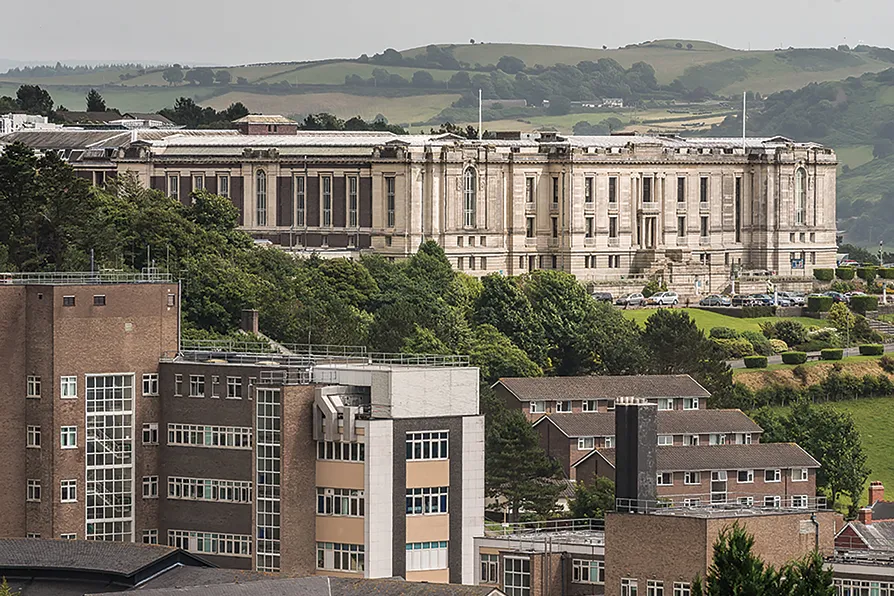 ACCESS IN JEOPARDY: National Library of Wales sees its ability to even open the doors compromised / Pic: Ian Capper/CC
The late country singer’s Imagination Library has put hundreds of millions of books into children’s hands. We should build on that legacy by defending the libraries at the heart of our communities, says BRENDA AITCHISON
Deprivation is a fundamental factor in criminal behaviour that must be addressed but, KENNY MacASKILL argues, there needs to a major rethink in sentencing to tackle overcrowding
MML director MEIRIAN JUMP outlines the recently refreshed library’s busy autumn schedule that ranges from book sales, archival exploration, community work with online education and the ever popular site tours
Some thinkers and authors on the right are openly discussing the possibility that the historically successful party of the British ruling class may be exhausted
Class struggle is the motor of history but the direction and detail of change at any time and place is the outcome of many factors, suggests the Marx Memorial Library and Workers’ School
TONY BURKE surveys the shifting political landscape and the challenges Labour needs to address if it is to prevail in the 2028 federal elections





WALES has a rich cultural heritage, a vibrant calendar of events, and a wealth of creative talent.
Yet after more than a decade of significant cuts, our cultural, arts and sports sectors are now in a fragile position. If they are to continue contributing meaningfully to our national life and identity, the next Welsh government must place culture at the centre of its agenda.
Over the past decade, Welsh government revenue funding for culture and sport fell by 17 per cent in real terms. Arts funding in Wales from national bodies has fallen by 30 per cent in real terms since 2017, the steepest decline in the UK.
Local authority spending on libraries, culture, heritage, sport, and recreation dropped by 28 per cent in real terms between 2013–14 and 2023–24.
Amgueddfa Cymru and National Library of Wales have warned the government about the potential impact of that on the safety of the national collections, and their ability to even open the doors. There are also too many examples of public bodies and institutions having to cut services or of services being lost altogether.
Wales ranks third from the bottom among European countries in terms of per capita spending on leisure and sports services and second from the bottom in terms of cultural services.
This equates to spending of £69.68 per person per year in Wales compared to the UK average of £91.12. The figure in Iceland is £691.60 per person per year, which is 10 times more than Wales.
Essentially, the health of a nation’s arts, sports and cultural sectors are indicative of the health of the nation, and we can no longer let our heritage, our history and our story be sidelined.
We need to remind people how Wales came to be Wales, and our proud history of welcoming people from all over the world and the contribution those people have made to the Wales we are today. And we need to use the power of arts (and sports for that matter) to do this.
A Plaid Cymru government will ensure a much more prominent role for culture, the arts and sport in our government programme and set about drawing up a long-term strategy for these sectors including the creative industries.
A central pillar would be a new preventive agenda that covers all government departments, where we will ensure that the essential role they play in terms of well-being, economic growth and social cohesion are realised.
There is a movement towards this already underway, with a memorandum of understanding existing for nearly nine years by now between the Welsh NHS Confederation and the Arts Council of Wales.
The Dance to Health programme in the Swansea Bay area offers weekly dance sessions to reduce falls among older adults, a major health and social care cost. Falls affect 1 in 3 people over 65 and cost the NHS £2.3bn annually.
Participants in the programme are 58 per cent less likely to fall, delivering a social return of £2.89 for every £1 spent. Beyond cost savings, the initiative addresses trauma, loss of confidence, and social isolation. The problem we have is that very little money is invested in this, thus leading to inconsistency throughout Wales.
A Plaid Cymru government would also recognise the value of the arts and culture in terms of the Welsh economy and also the need to develop the skills of the workforce so that we can take full advantage of the growth of the creative industries.
For example, the Cardiff Capital Region has dedicated the Creative Industry as a priority sector and is one of the UK’s largest creative hubs outside London, hosting over 1,300 media companies, including 600 in film and television, generating around £360 million in GVA, with creative industry professionals making up approximately 7 per cent of the local workforce.
In terms of education, we would commit to continuing with the national music service and ensuring that the four purposes of the national curriculum, which aim to develop “enterprising, creative contributors, who are ready to play a full part in life and work” include opportunities for all pupils to have access to cultural experiences. This is also essential in tackling child poverty, and is a central part of the social justice programme.
In moving forward, we must commit to fair and sustainable funding for culture. Our public services should not be forced into false choices between a museum or bin collections, or between a library service and care for the elderly.
Anyone with any understanding or appreciation of these sectors will know, investing in one should not mean not investing in the other. They are intertwined and all of them are essential. After all, Wales is the only country in the world — through the Future Generations Act — to recognise cultural wellbeing as part of a statutory definition for sustainable development.
Yet the Future Generations Commissioner himself has said “We need a cultural reset and for all public bodies, from councils to health boards and national parks, to support people’s access to culture.”
It is therefore time to have a government that will implement that.
Plaid Cymru believes that culture, along with the arts and sports are not luxuries. They are vital to our national identity and to the physical and mental wellbeing of our nation. Everyone deserves access, not just a privileged few.
Heledd Fychan is Plaid Cymru member of the Senedd for South Wales Central.

Similar stories
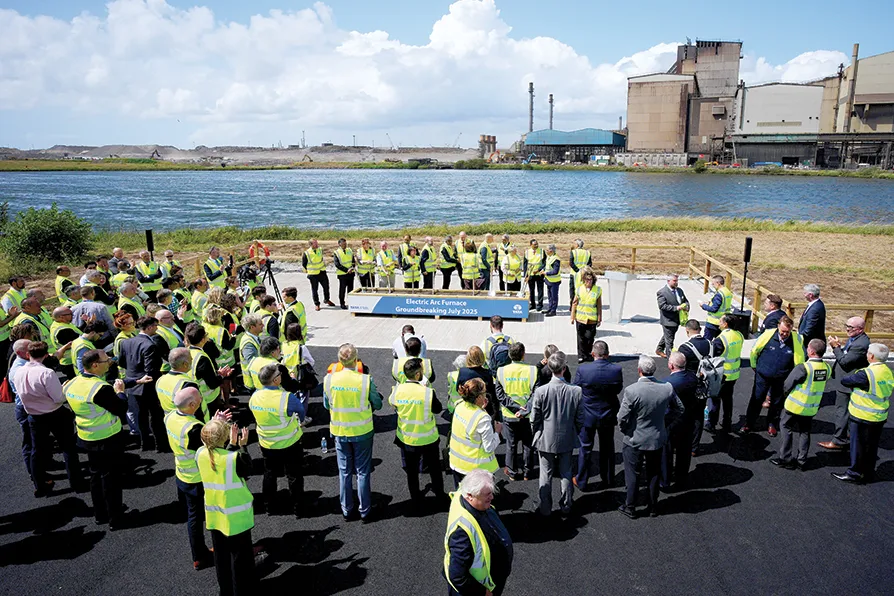
LUKE FLETCHER outlines Plaid Cymru bold plans for wide-ranging policy consultations with trade unions in Wales
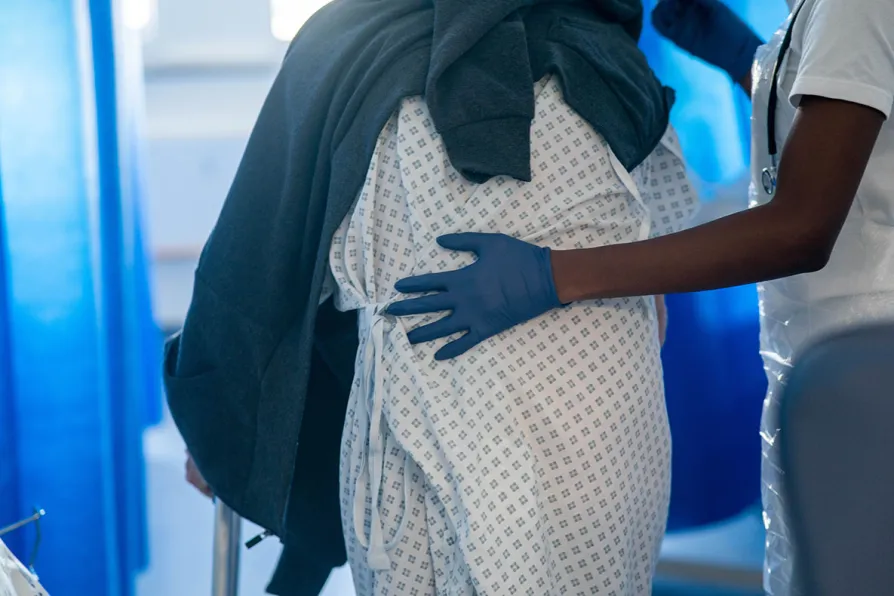
We need a massive change in direction to renew a crumbling health service — that’s why Plaid Cymru has an ambitious plan to recentre primary care by recruiting 500 additional GPs and opening six new elective care hubs across Wales, writes MABON AP GWYNFOR