

 Latest editorial

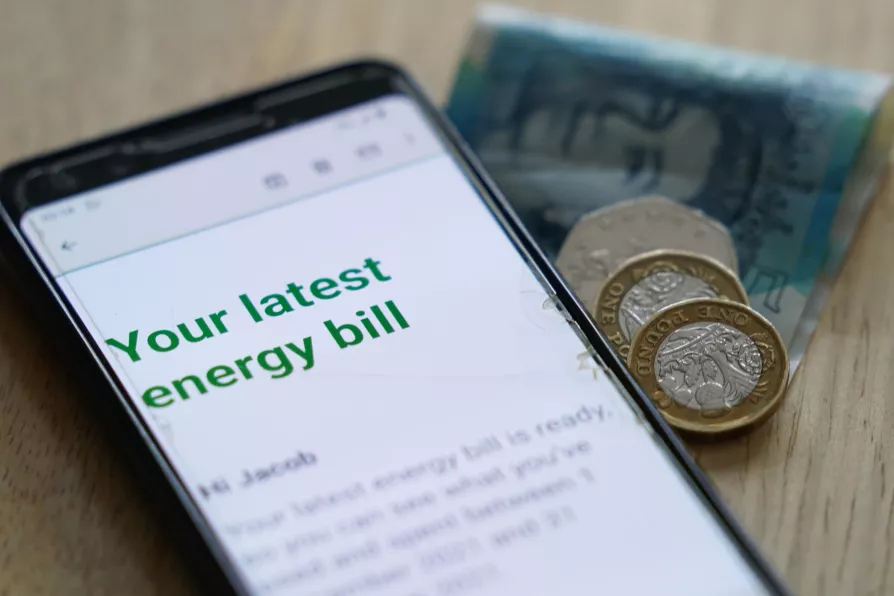 An online energy bill






by Matt Kerr
Scotland reporter
A REPORT detailing the £11 billion cost of oil and gas profiteering to Scotland’s economy over recent years shows “working-class communities bear the brunt” of fossil fuel dependence, a socialist MSP has said.
The figure comes from a recent study by the Energy & Climate Intelligence Unit (ECIU), which examined the economic effects of a spike in energy prices between 2021-24, after the outbreak of war in Ukraine.
Of the £11bn total bill, researchers found households faced £5.8bn in excess energy costs – a staggering 70 per cent of the average annual spend on food and non-alcoholic drinks. And those on the lowest incomes, who typically spend a greater share of their incomes on energy, were disproportionately hard hit.
The ECIU said the findings expose Scotland’s “deep vulnerability,” but noted the dependence of Britain as a whole on imported fossil fuels has left it the worst-affected economy in Western Europe since the spike.
The report stated: “Our findings show a significant burden placed on Scottish consumers during the crisis, highlighting the risks for all energy consumers of reliance on volatile fossil fuel markets.”
“While there has been some progress made on reducing demand for gas through building more renewables during the crisis, progress on shifting away from gas boilers for heating and reducing dependence on oil and gas in the industrial sector remains slow.
“In an increasingly uncertain world, this raises questions about whether Scotland is prepared for another crisis.”
Labour Minister for Energy Consumers Martin McCluskey said the government had “secured enough homegrown clean energy to protect households from “future price shocks.”
But branding the report “damning,” Labour North East of Scotland MSP Mercedes Villalba said: “They reveal the immense cost of our continued dependence on international fossil fuels for households across Scotland.
“What’s more, the ECIU makes clear that working-class communities bear the brunt of our government’s failure to accelerate a just energy generation.”
Scottish government energy secretary Gillian Martin said: “Fundamentally, energy prices remain high compared to pre-2022 levels, despite UK government promises to bring them down.
“We have worked with stakeholders to develop a social tariff in the form of an automatic and targeted discount on energy bills to address unaffordable bills at source, which the UK government must urgently adopt.”
