by Her Excellency Ismara Mercedes Vargas Walter, Ambassador of the Republic of Cuba to the United Kingdom


 Latest editorial

Why The Many matters: rebuilding trust in politics through organisation and democracy
Former Labour MP LAURA SMITH makes the case for The Many slate in the elections to Your Party’s new executive
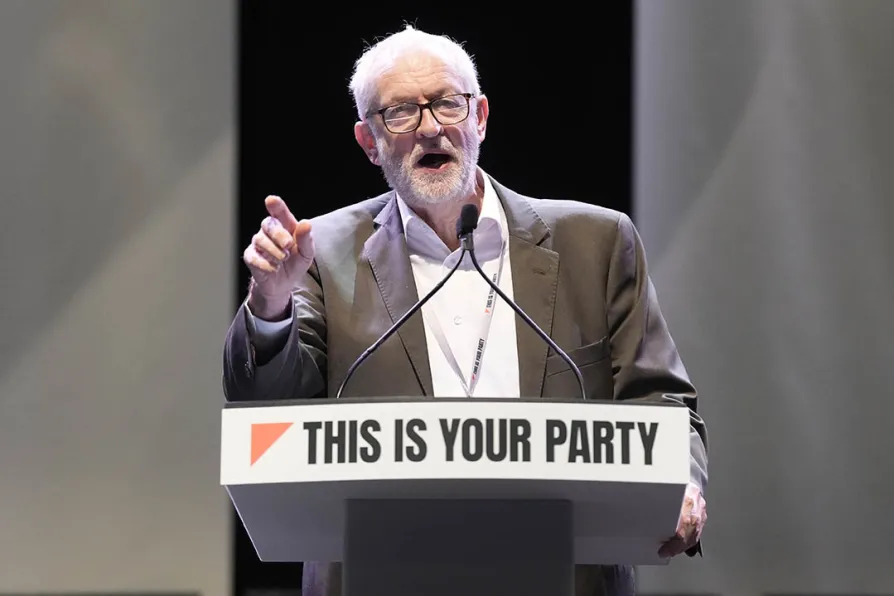
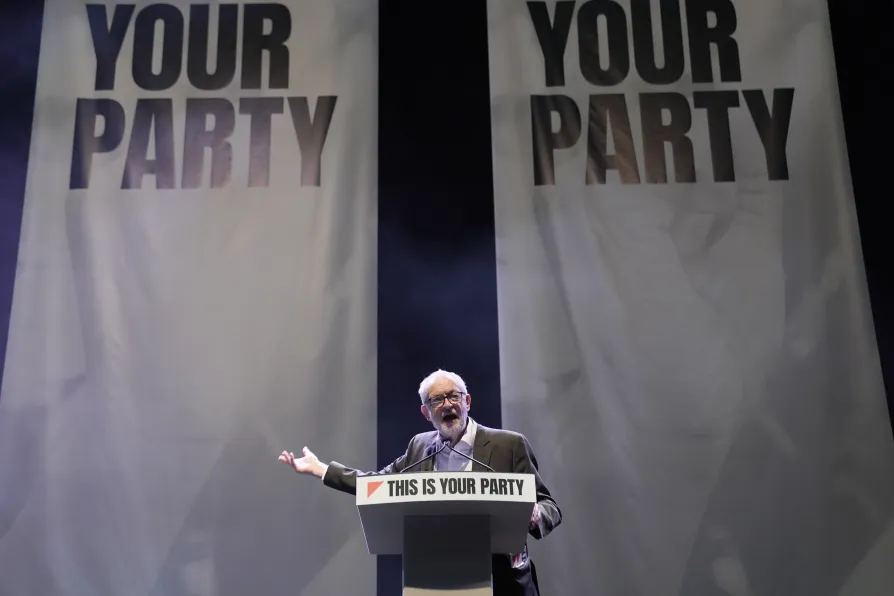 Jeremy Corbyn speaking during the Your Party founding conference at the ACC Liverpool, November 30, 2025
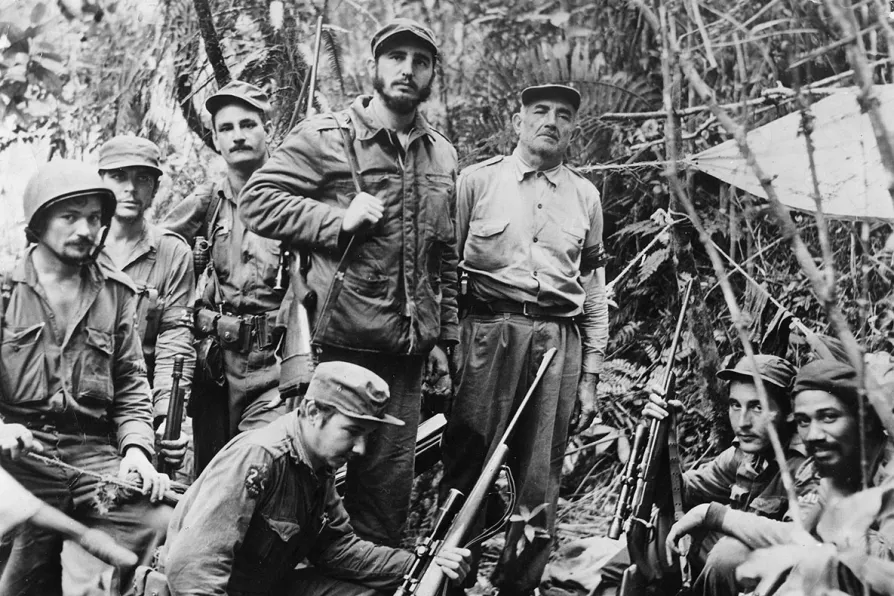
DR STEPHEN WILKINSON assesses the life and legacy of a revolutionary giant
On the centenary of Fidel Castro’s birth, Communist Party international secretary KEVAN NELSON salutes the ongoing example of a revolutionary people facing a brutal US siege
ALEX GORDON and LORRAINE DOUGLAS report from Havana, Cuba, where they represented the Communist Party of Britain at the 24th International Meeting of Communist and Workers’ Parties on August 7-8
The best tribute to Fidel is to stand with the Cuban Revolution today as the Trump regime tries to starve it to death, argues Cuba Solidarity Campaign communications manager NATASHA HICKMAN
JOE DWYER of Sinn Fein reflects on the links between the Irish and Cuban struggles for independence and on Castro’s personal engagement with the cause of Irish freedom





ACROSS the country, people know something is broken. Not just in their workplaces or communities, but in politics itself.
For too many, politics has become something done to them, not with them — a cycle of promises made, expectations raised, and lives left unchanged.
People have been let down again and again. By governments that manage decline instead of challenging it. By parties that talk about fairness while entrenching inequality. By institutions that seem distant, unaccountable, and deaf to everyday reality.
But recognising that failure is not enough. We are here because we believe something fundamentally different is possible. Not cosmetic change. Not a rebranding of the same failed politics. But a credible alternative — rooted in organisation, democracy, and community power.
That will take time and energy to build properly. We all know weak foundations will see a house fall down.
Real change does not come from slogans or internal point-scoring. It comes when ordinary people get organised together, building power over time.
That is why I am supporting The Many in the Your Party central executive committee elections, because we have to get this party back on track. I stand with Jeremy Corbyn’s lifelong commitment to socialism grounded in movements, not manoeuvring.
I want to be clear about why I am standing personally. I have been a teacher, a trade unionist, a councillor, and an MP. I am blessed to be a mother.
When I first got heavily involved in community activism taking on the then government minister Edward Timpson in the 2017 general election I stated that I wanted to be able to look my kids in the face and say that I tried to make things better for them. I know so many feel exactly the same.
That fight never ends, that fire never goes out. Across classrooms, council chambers, and Westminster, I have spent my life working with communities who are ignored or sidelined — trying to help them to survive the pressure, conflict, and attack.
That experience matters. Because I have seen how the Westminster bubble narrows thinking and disconnects politics from real life.
And that bubble does not only exist in Parliament. It exists across society — in institutions, in organisations, even in movements created to challenge the system.
All of us operate under the same pressures: capitalism, competition and fear. If we do not consciously challenge those pressures, we end up reproducing them — even with the best intentions.
It is easy to stand on the sidelines and shout about how things should be done. Too often, that shouting comes from people who have never felt the hard knocks of life in poverty or turmoil — who have never had to make impossible choices, or live with insecurity hanging over every decision.
There are those who presume they know best, who assume that if others do not immediately agree, it must be because they are less informed, less intelligent, or somehow lacking.
That attitude is not radical. It is patronising — and it drives people away.
It mistakes moral certainty for political strategy. It tells people their lives are “wrong” rather than starting from where they are and organising collectively towards something better.
If we want to build real power, we have to take people with us — not lecture them, shame them, or dismiss their lived experience.
Will you like everything you hear? Of course not! Will you learn something new? Certainly! Might you change your opinion? Possibly!
A fundamental alternative means refusing two dead ends. We do not build power by pandering to the right. But we also do not build power by retreating into closed circles that speak only to themselves.
A credible alternative means organising where people actually live, building trust over time, and shifting power — not just rhetoric.
That requires an economic vision that actively fights oppression, redistributes wealth and decision-making power, and takes essential parts of life out of the hands of the 1 per cent.
Housing, energy, transport, care, work — organised around need, not profit. This is not abstract theory. It is what economic democracy and community cohesion look like in practice.
This speaks to the kind of party we are building — one where every member has a real opportunity to participate.
Official branches matter because they ensure openness, fairness, and accountability, and prevent power from becoming concentrated in the hands of a few.
The political dividing line we face is between an open, democratic party and one dominated by organised cliques.
Branches must be official so every member has a genuine chance to participate — otherwise we risk alienating those outside existing networks and the very people we want to bring into politics. Branches should never become the fiefdoms of small groups exercising disproportionate power.
Conference was clear that our strength lies in a democratic, agreed process, starting with electing a CEC that can deliver decisions by supporting branches that are locally rooted, properly constituted, and genuinely autonomous.
Autonomy does not mean disorder; it works best within shared rules and mutual accountability.
With the right structures in place, grassroots voices are protected, members feel included, and the party can grow in a way that is sustainable, welcoming, and true to our democratic values.
Millions of people are politically disengaged today not because they do not care, but because politics has repeatedly failed them.
They are exhausted, cynical, and wary — for good reason. Our responsibility is not to perform righteousness. It is to rebuild trust through seriousness, competence, and solidarity.
This is why the CEC matters. It is not symbolic. It is foundational.
We need leadership that follows conference decisions, builds branches properly, protects members, and prepares us for inevitable attacks from the press and the establishment.
The Many offers seriousness without arrogance, urgency without recklessness, and grassroots power with real protection.
If we are serious about empowerment, community organising, and building a genuine alternative, then we must build this properly.
That is why The Many deserves your support — and why this moment matters.
Laura Smith is former Labour MP for Crewe & Nantwich, and part of The Many slate for a Public Office Holder seat on the Your Party central executive committee alongside Jeremy Corbyn, Ayoub Khan and Shockat Adam.

Similar stories
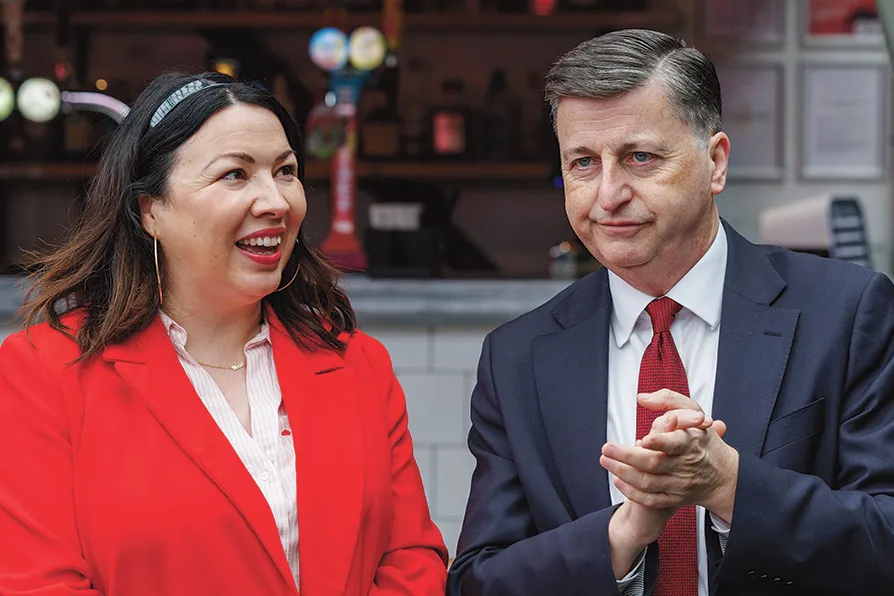
To govern again, we must first earn back the confidence of the people who founded our movement
Your Party can become an antidote to Reform UK – but only by rooting itself in communities up and down the country, says CLAUDIA WEBBE
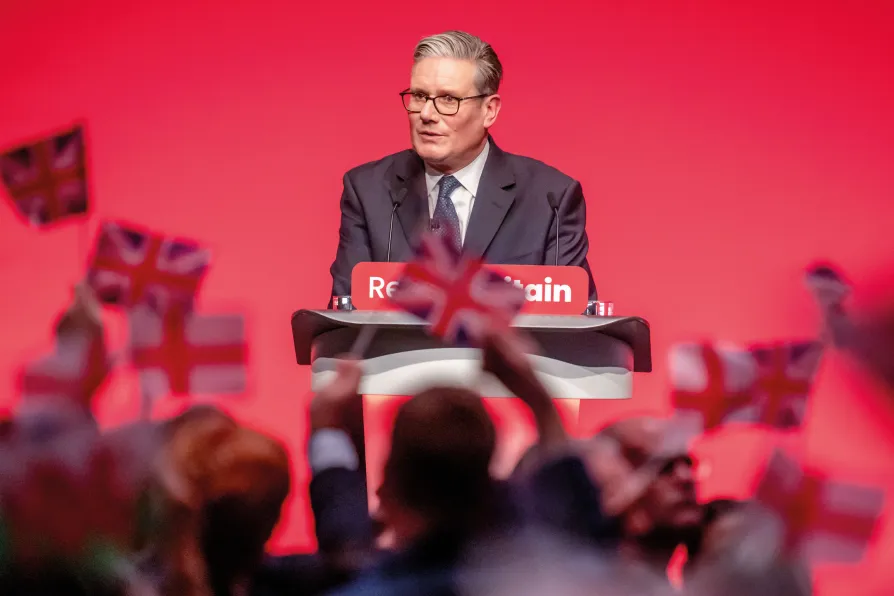
Apart from a bright spark of hope in the victory of the Gaza motion, this year’s conference lacked vision and purpose — we need to urgently reconnect Labour with its roots rather than weakly aping the flag-waving right, argues KIM JOHNSON MP
LAURA PIDCOCK and PAUL O’CONNELL introduces Rise, a political platform for working-class activism