

 Latest editorial
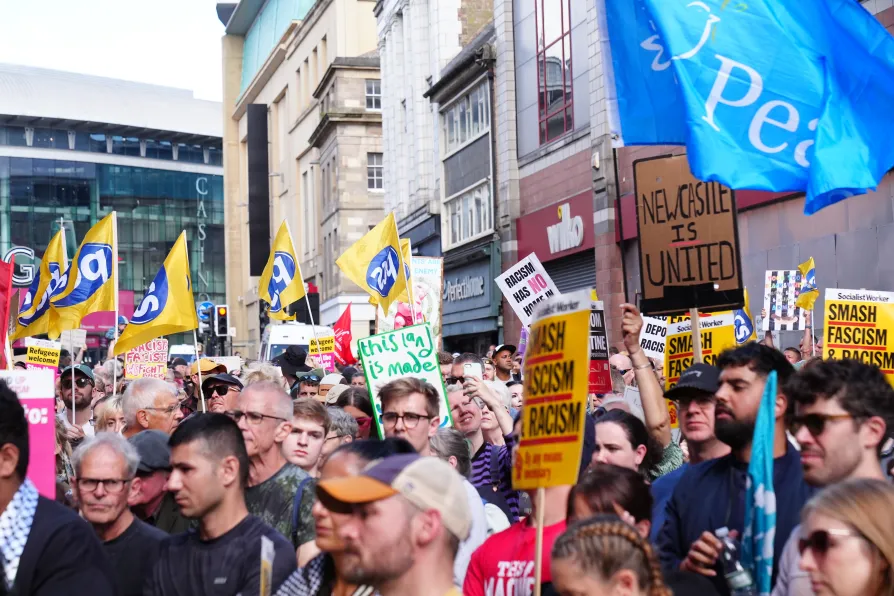 Anti-racism protesters demonstrate in Newcastle, ahead of a far-right anti-immigration demonstration, August 10, 2024
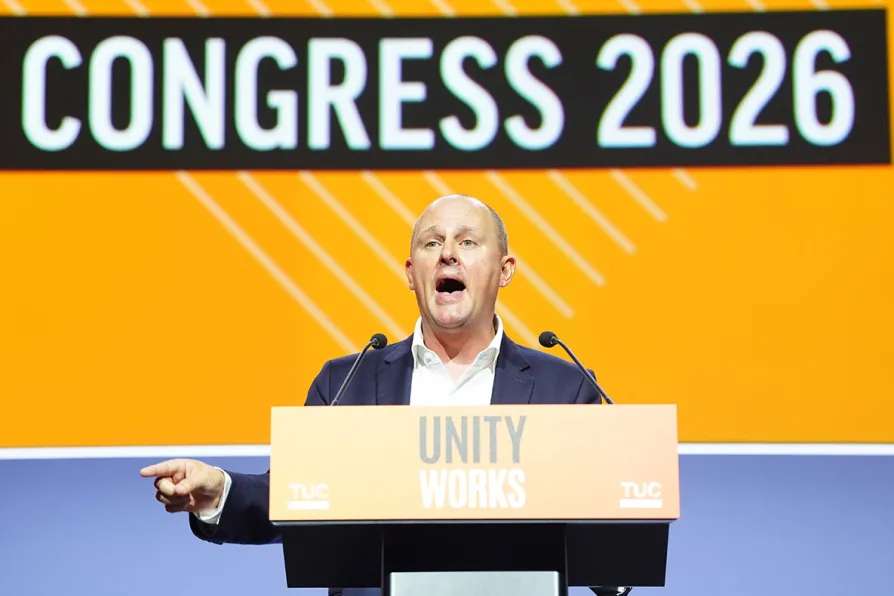





OVER the past few years, we have seen the seemingly inexorable rise of the far right across Britain.
Racist and anti-immigrant violence has increased, alongside the presence of far-right street mobilisations and of course electoral support for far-right populist parties such as Reform.
Labour, as a party of government, has vacillated between criticising some of Reform’s more overt racism and adopting policies to try to make it look “tough” on immigration.
The low point of this spectacle was probably Keir Starmer’s “island of strangers” speech in which he echoed Enoch Powell’s divisive rhetoric of 50 years ago, where racists rallied to Powell’s declaration that the white population would soon be “strangers in their own country.”
What Labour has failed to do in any meaningful sense is understand or seek to tackle any of the drivers of rising support for the far right.
Recent data by data modelling organisation Bombe.io shows a concentration of support for the far right in deindustrialised urban and rural areas outside of the major cities, which will come as no surprise. But is also shows high levels of support for these views in inner-city areas with high levels of immigration, large student populations and significant demographic change over recent year.
When drilling down into the concerns of people who identify with these views, again there are some predictable issues — a concern about immigration, fear of crime — but also some that may not seem quite so obvious.
The most significant concern among those attending the so-called “Unite the Kingdom” demonstration on September 13 was not restricted to immigration but included the impact of AI, job security and housing security.
It is not difficult to see how these issues have been manipulated by the far right to gain support for their poisonous views. Working people angry about years of underinvestment in their communities, a lack of secure employment and housing, and huge increases in economic insecurity more generally, are being presented with a simple answer by Robinson, Farage and their ilk — blame migrants, blame ethnic diversity, blame other members of the working class and ignore the bosses getting rich off your impoverishment and insecurity.
Of course, we need to be careful about this line of argument. Economic insecurity, underinvestment and fragmented communities are not excuses for racism. They don’t make it acceptable. But we must also be honest. They are the core concerns driving the rise in far-right views and being manipulated by far-right organisers.
We cannot tackle the rise of the far right effectively without taking on questions of political economy, without having an alternative economic strategy and crucially without redirecting anger over low wages, precarious work and insecure housing at the ruling class.
Doing this will mean building the broadest possible alliance of working people and their organisations. Such an alliance must be ready to mobilise unity in every community and nationally, and to confront the far right when they attempt to organise, but it must also be capable of the deep organising work needed in workplaces and communities up and down our country to take on far-right arguments and pose alternative solutions, based on an alternative economic strategy.
That is why the Morning Star welcomes the launch today of the Together Alliance, bringing together trade unions, community groups, campaigns and an impressive array of celebrity supporters to build a broad alternative to the far right, that can unite our communities.
That is why we are calling on our readers to support the unity mobilisation the alliance has called for March 28 2026, to show the breadth of our movement.
Most importantly, that is why we are urging all of our readers and supporters to sign up to the alliance and build it in their local community.
Together we can take on the far right and win!


The Together Alliance is hosting two summits, North and South, to build power and plan action against the scourge of racism peddled by the right. DANIEL KEBEDE urges mass participation
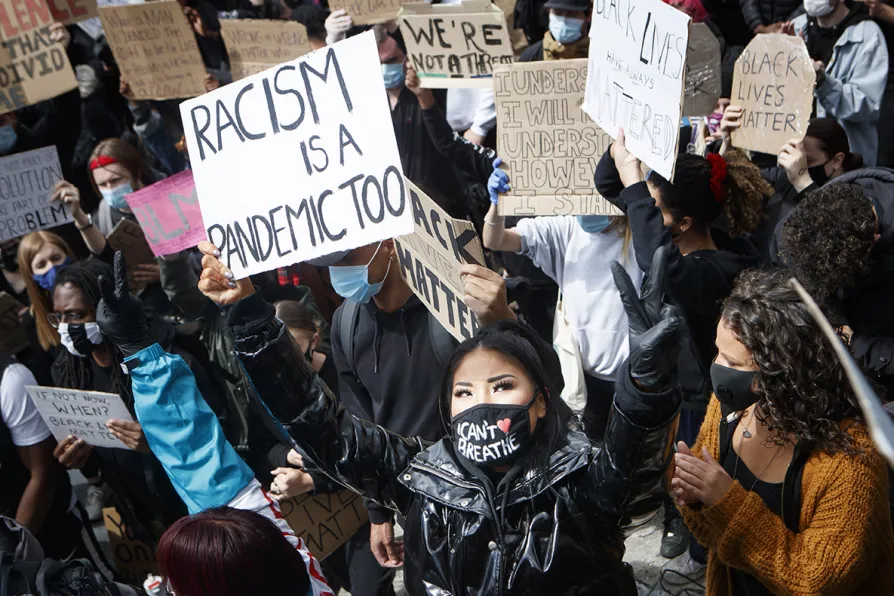
by the Greater Manchester Workers’ and Tenants’ Association
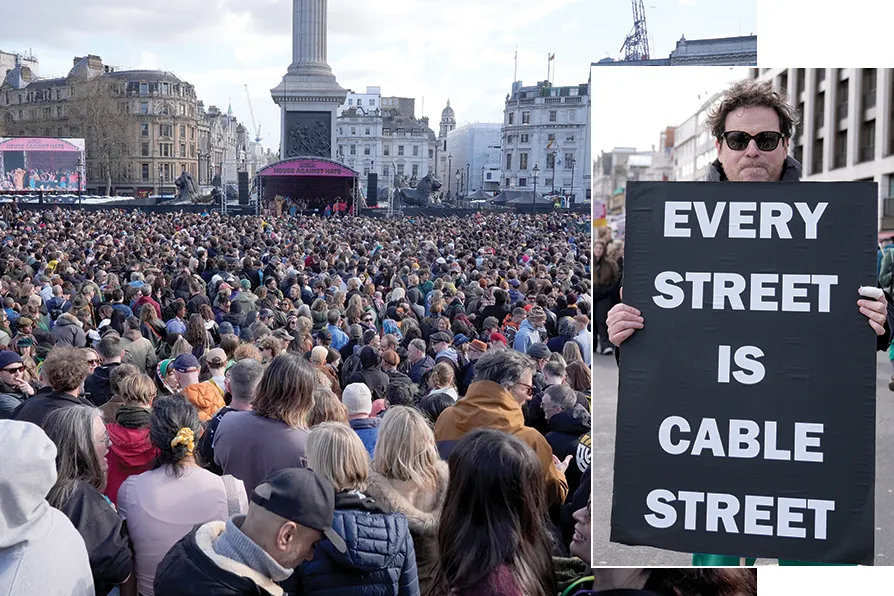
The sheer number present on the day, estimated at half a million, points to organisational acumen and bodes well for developing the movement, says DIANE ABBOTT

As extremist movements grow on the streets and at the ballot box, the emergence of the Together Alliance points to a vital strategy: unity across trade unions, campaigners and communities, says TONY CONWAY