
APURBA CHATTERJEE explains how British artists in India used the “picturesque” to reshape colonial landscapes and celebrate imperial power


A useful work of political ecology
MARTIN GRAHAM recommends a book that makes a critique of neoclassical economics and attempts to envision a sustainable global future
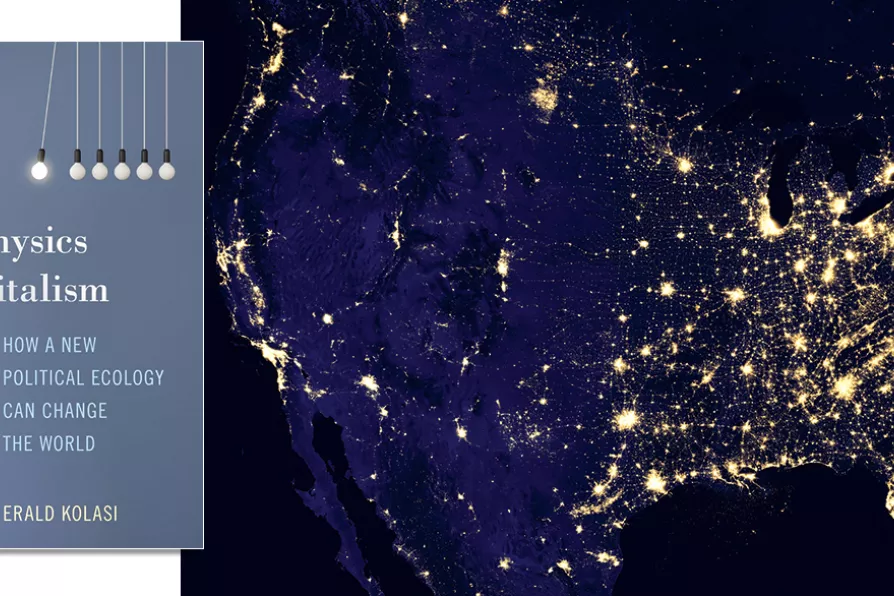
 The global average in 2021 was 50,000 kilocalories per head, in the US, however it was 190,000 kilocalories per head
[NASA Earth Observatory/CC]
The global average in 2021 was 50,000 kilocalories per head, in the US, however it was 190,000 kilocalories per head
[NASA Earth Observatory/CC]

PAUL DONOVAN welcomes a revival of Reginald Rose’s classic play that reminds us of the fundamental need for trials with juries
SIMON PARSONS applauds an exceptional performance of Wesker’s little-known play, by the same actor for whom it was written 45 years ago
ANDY HEDGECOCK and MARIA DUARTE review Late Fame, The Death of Robin Hood, Leviticus, and Gail Daughtry and the Celebrity Sex Pass
ANGUS REID recommends a uniquely accomplished documentary collage that contemplates our relation to the natural world
GORDON PARSONS enjoys Kant’s ‘mind-boggling’ theory of human reality: that we create the reality we experience





The Physics of Capitalism: How a New Political Ecology Can Change the World
by Erald Kolasi
Monthly Review Press £27.99
READERS who struggle with the maths and abstractions inherent in the physics of the 20th and 21st centuries — Einstein, Niels Bohr and all that flowed from their work — should not be deterred by the title of this book.
Erald Kolasi draws only on classical physics to show how energy flows determine the fate of complex systems, including economic systems and life itself. It also equips him to provide a devastating critique of neoclassical economics and enables him to give us a vision of a sustainable global future — all without resorting to a single equation!

Similar stories

Dignity is important to all humans, argues the Marx Memorial Library and Workers’ School, but it does not come about automatically. In a less than perfect world, dignity can accompany suffering, but the collective dignity of working people is achieved through acting together to change the world.
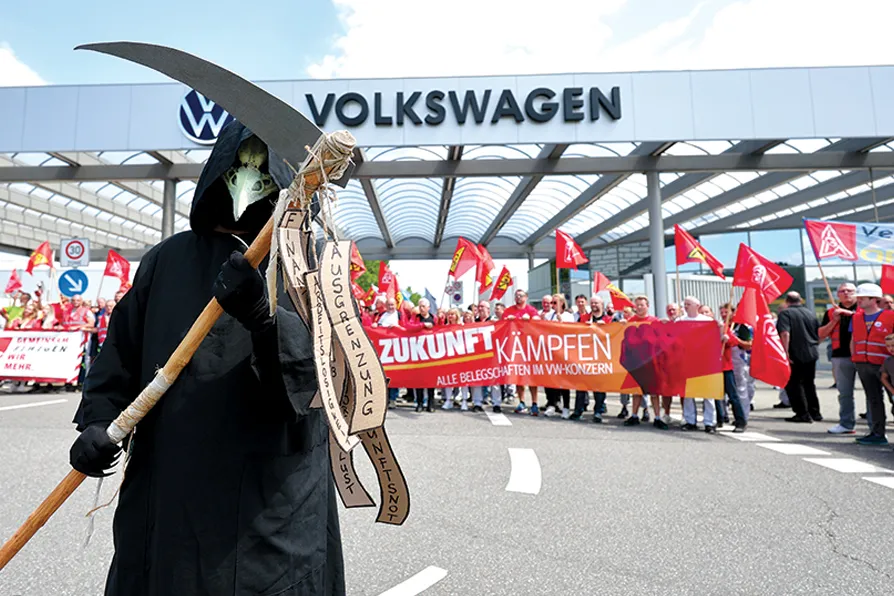
The future does not have to be climate chaos and social breakdown. MARC VANDEPITTE looks at the alternatives offered by the Global Justice Report, co-authored by Thomas Piketty
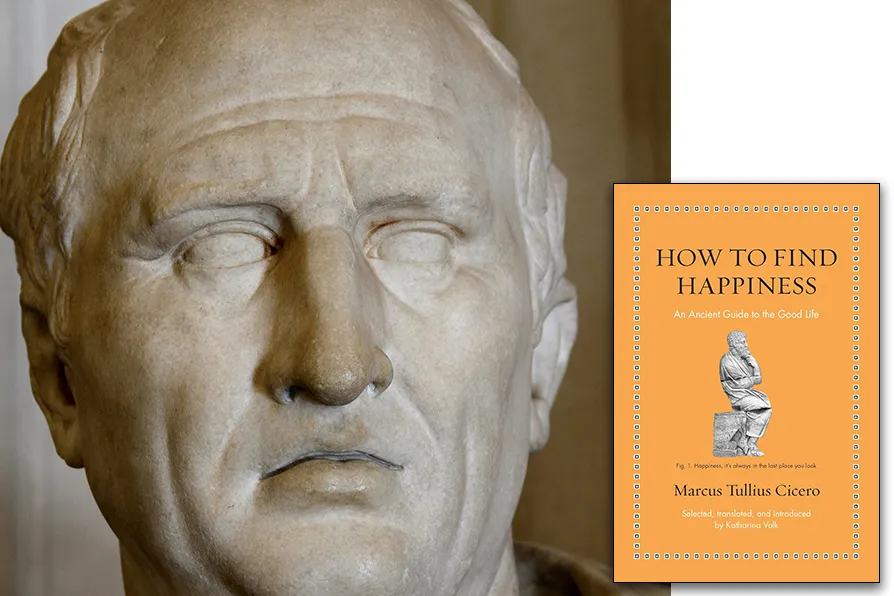
MARTIN HALL examines the way the Roman orator took on different schools of philosophy
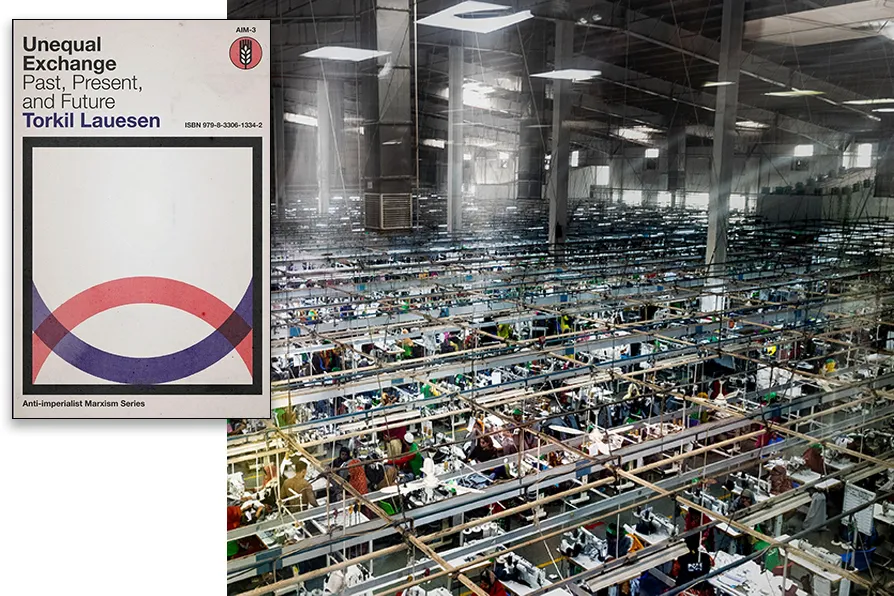
MARTIN GRAHAM welcomes, with reservations, a scholarly addition to the unfinished business of understanding how capital works on a world scale