

 Latest editorial
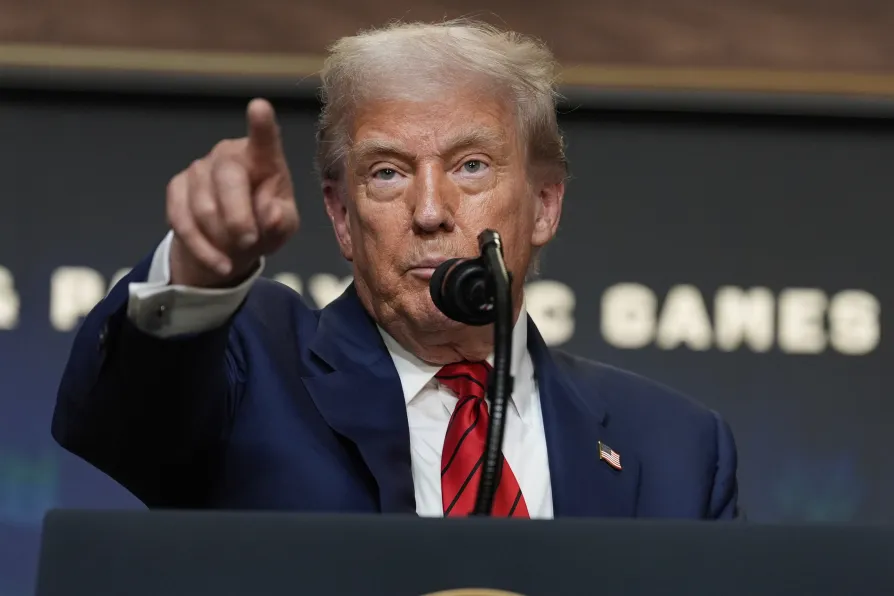
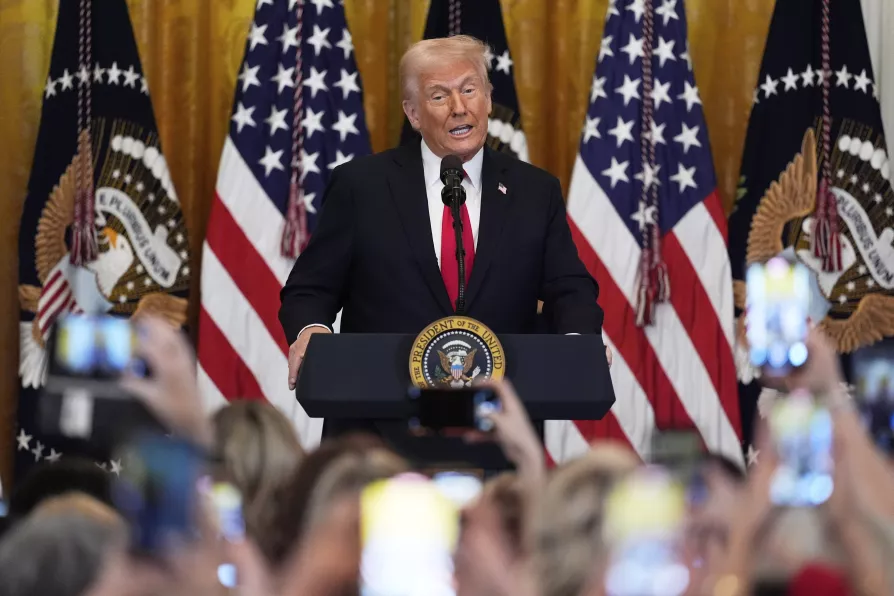 President Donald Trump speaks at a reception celebrating Women's History Month in the East Room of the White House, March 26, 2025, in Washington.
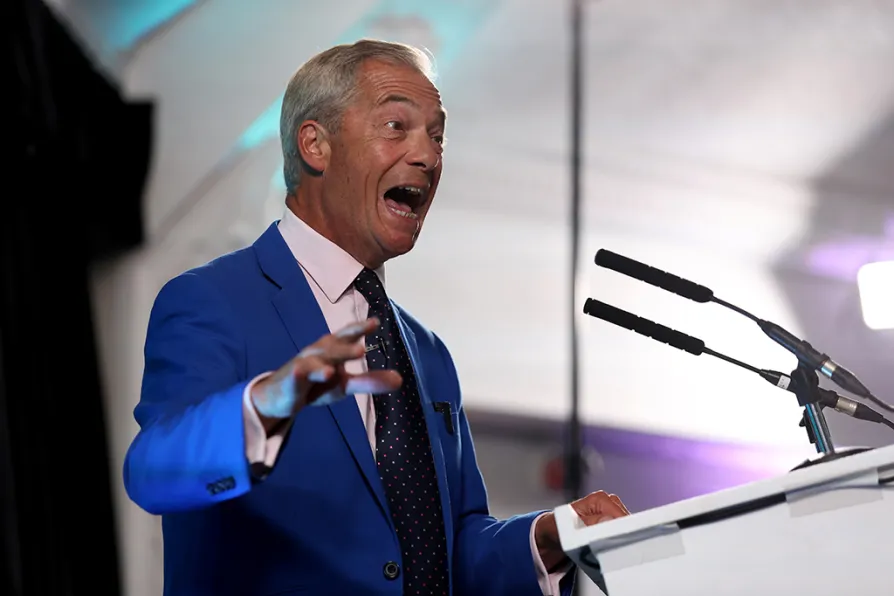





WEDNESDAY is “liberation day” for the United States, according to President Donald Trump as he announces sweeping worldwide tariffs.
It is certainly a landmark day in the decay of capitalist globalisation, the ascendant force in the world economy since the 1970s, dominant since the 1990s and in crisis since the crash of 2008.
That globalisation is now dead. Even the chair of HSBC, one of the world’s biggest banks, Mark Tucker admitted as much last week.
Trump’s swingeing tariffs, imposed willy-nilly on ally and rival alike — indeed, he makes no distinction between the two categories as supine Keir Starmer looks likely to discover — are a declaration of economic warfare.
Some of these tariffs are, it is true, apparently designed simply to enforce whatever foreign policy demands are top of his agenda at any given moment. He is not the first US president to abuse economic power to secure diplomatic advantage.
But there is an underlying strategy to force manufacturers to return operations to the US itself to avoid imposts that would effectively wreck their access to the world’s largest consumer market.
Either way, it is introducing new barriers to the hitherto free(ish) flow of goods and capital, while potentially dividing up the world into spheres of influence.
The latter seems to be the point of Trump’s attempts, so far unfulfilled, to lure Vladimir Putin into a ceasefire preceding an agreed division of Ukraine and its resources.
Capitalist globalisation has already been modified, up to a point, by the emergence of the Brics grouping. This has become, with significant qualifications, a counterpoint to the “Washington Consensus” which imposed the rules of the US-led order on countries far and wide over a quarter-century or so.
HSBC is not particularly stressed by all this, according to boss Tucker. There would be new opportunities for the global trade finance giant within and between new “political groupings and trade blocs,” including the “Brics-plus countries,” he said.
Indeed, tariffs generally strengthen monopoly capital within the most powerful states, and also impel the expansion of territorial control by monopoly capitalist states. Trump’s intent to grab Greenland and the Panama Canal, as well as much of Ukraine’s natural wealth, are all of a piece.
And the new development of blocs is intensifying under Trump’s impetus. In the last few weeks China, Japan and South Korea have been exploring a free trade arrangement, while Canada is seeking to be included in the new European Union militarisation plans.
There is nothing to mourn in the passing of globalisation but much to fear in the new turn to protectionism and growing arms spending.
The passing phase of capitalist development has led to the evisceration of working-class communities and a widening inequality. It has also helped turn the Labour Party into almost its opposite — a party for capitalism’s winners and not for its losers.
This is now a shift comparable with the supersession of the “post-war consensus” by insurgent neoliberalism from the mid-1970s onwards. But like that earlier transition, it leaves the same class in charge.
However, tariff-protected expansionist national-monopoly capital is far more pregnant with the risk of imminent war. You do not need to read Lenin, Hilferding or Bukharin to understand that, only the news online.
The big question is whether the labour movement can mobilise forces equal to the challenge. “Welfare not Warfare” is a start, but class power is the overriding issue.
In previous times of contested transition socialism was the alternative road ultimately not taken. This time our entire future depends on a different choice. It is time the Trumps and Tuckers were alike dethroned by global working-class rule. That would be a real liberation day.

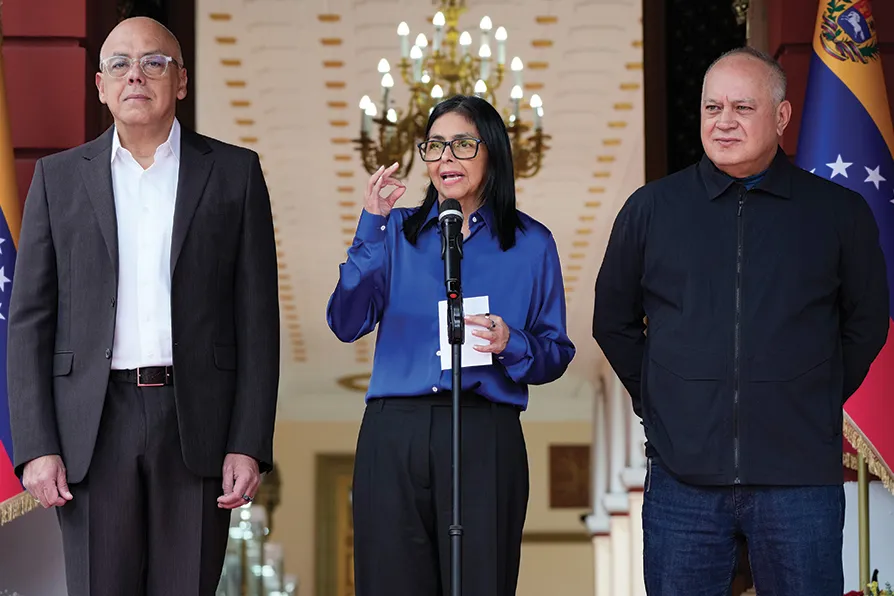
International solidarity can ensure that Trump and his machine cannot prevail without a level of political and economic cost that he will not want to pay, argues CLAUDIA WEBBE
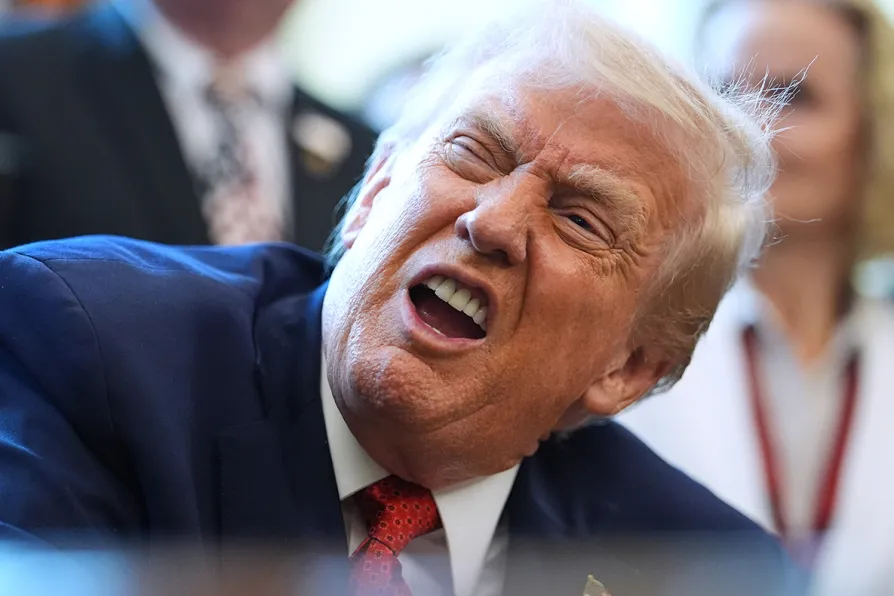
As the dollar falters and US power turns predatory, Britain and Europe must abandon transatlantic illusions and build a collectivist alternative before the system implodes, writes ALAN SIMPSON
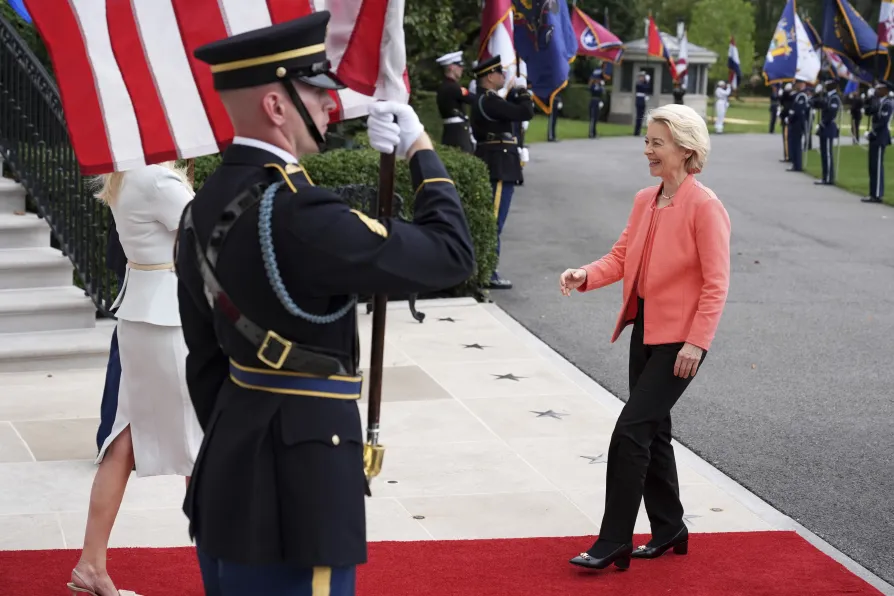
US tariffs have had Von der Leyen bowing in submission, while comments from the former European Central Bank leader call for more European political integration and less individual state sovereignty. All this adds up to more pain and austerity ahead, argues NICK WRIGHT
FRANCISCO DOMINGUEZ says the US’s bullying conduct in what it considers its backyard is a bid to reassert imperial primacy over a rising China — but it faces huge resistance