
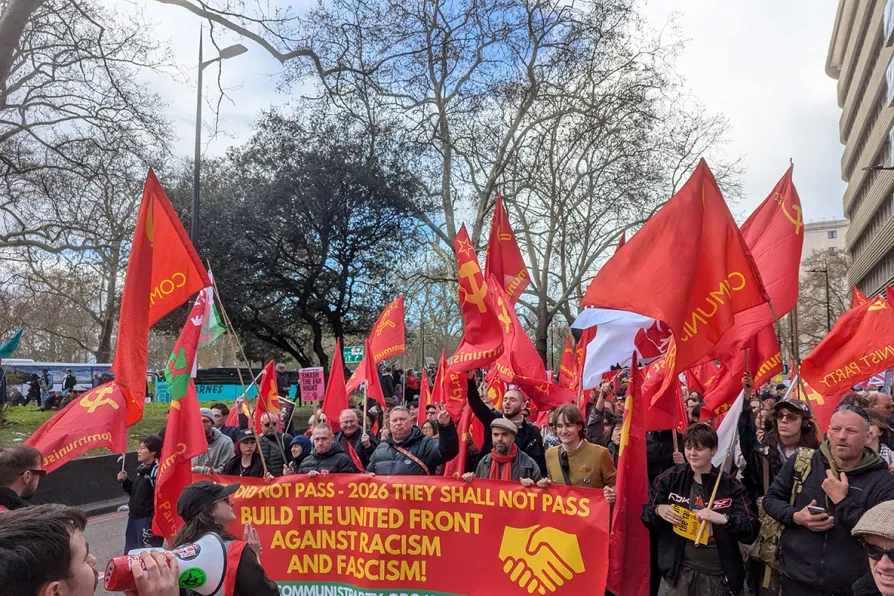
Working people across Britain are fighting back against austerity, war, repression and exploitation. The challenge now is to unite those struggles, says Communist Party of Britain assistant general secretary JOHNNIE HUNTER

Why is there always an economic crisis of some sort?
Unlike liberal economists, Marxists explore the primary role of internal contradictions within the capitalist economy. The MARX MEMORIAL LIBRARY explains why



Train drivers’ union Aslef general secretary DAVE CALFE speaks to Ben Chacko about his hopes that Burnham’s devolution agenda will include the importance of the railway
DIANE ABBOTT provides an analysis of the reasons for EU and British voters’ dramatic swing to the right
Some of the review’s proposals could make the benefits system less cruel and dehumanising. But its vague plans for services and non-cash support revive the threat that disabled people will lose control over the money we need to survive, writes DYLAN MURPHY
Believe it or not, there was a time when the US government built beautiful homes for working‑class Americans to deal with a housing shortage, writes ERAN BEN-JOSEPH
MAT COWARD has heaps of good advice on recycling garden and household waste over the winter





SAMANTHA and David Cameron (remember him?) have a sign in their country home which reads: “Calm down dear, it’s only a recession.”
For them, economic crisis is a joke — they’re insulated from the realities of austerity, which their party, and the capitalist interests that they represent, says is an inevitable and necessary requirement to regenerate the economy “in the interests of everyone.”
But the sad joke also hides an implicit acknowledgement that crises are endemic to the system that they champion.

Similar stories

The question is not simply how much we spend on defence, but what we understand defence and security to mean, says SIMON BRIGNELL

Can Andy Burnham’s programme deliver a productive economy – or merely a softer version of capitalism, asks VINCE MILLS
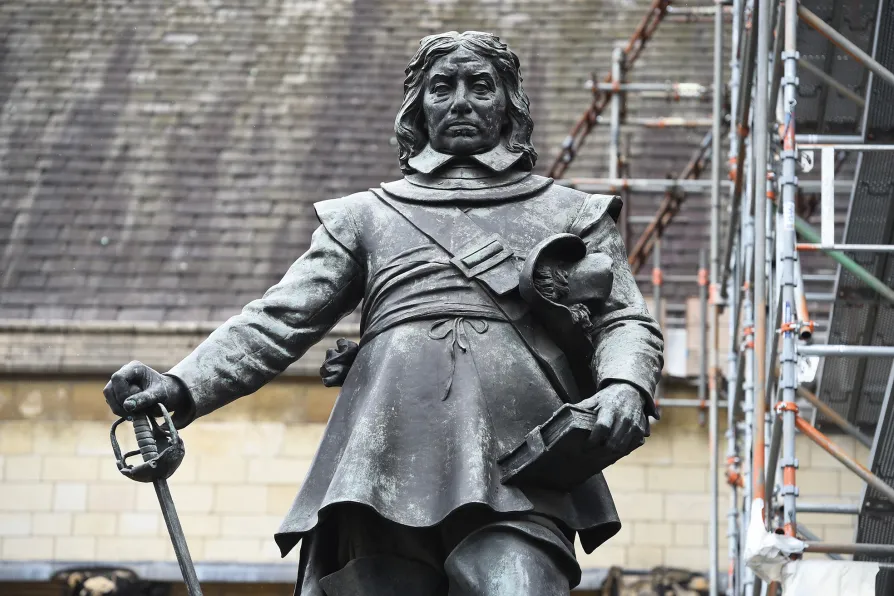
The selection, analysis and interpretation of historical ‘facts’ always takes place within a paradigm, a model of how the world works. That’s why history is always a battleground, declares the Marx Memorial Library

If the government really wanted to address public finances, improve living standards and begin economic recovery, it would increase its borrowing for investment, argues MICHAEL BURKE