
Working people across Britain are fighting back against austerity, war, repression and exploitation. The challenge now is to unite those struggles, says Communist Party of Britain assistant general secretary JOHNNIE HUNTER

We must stop the Timms review becoming a cover for cuts to PIP
Some of the review’s proposals could make the benefits system less cruel and dehumanising. But its vague plans for services and non-cash support revive the threat that disabled people will lose control over the money we need to survive, writes DYLAN MURPHY

 “Disability costs are unpredictable. One month it may be heating; the next, taxis or an urgent equipment repair. Cash gives us flexibility. Cash gives us choice."

Train drivers’ union Aslef general secretary DAVE CALFE speaks to Ben Chacko about his hopes that Burnham’s devolution agenda will include the importance of the railway
DIANE ABBOTT provides an analysis of the reasons for EU and British voters’ dramatic swing to the right
Believe it or not, there was a time when the US government built beautiful homes for working‑class Americans to deal with a housing shortage, writes ERAN BEN-JOSEPH
MAT COWARD has heaps of good advice on recycling garden and household waste over the winter





THE latest update from the Timms Review of Personal Independence Payment (PIP) should set alarm bells ringing throughout the disabled community and the labour movement.
Its “emerging recommendations” will be “tested” before the review reports to the Secretary of State later this autumn. Some could improve claimants’ lives. Others open the door to a dangerous transformation of PIP.
You might not know this if you follow the mainstream media in this country, so I will say it now. PIP is not a luxury or an out-of-work benefit. It is a non-means-tested payment and, for many of us, a lifeline that gives us control over changing disability costs.
The review concedes that the system is stressful and dehumanising. Disabled people have said this for years. We did not need another expensive review to expose a process built on suspicion and repeated reassessment.
Some proposals are welcome: fewer reviews for lifelong conditions, recognition of fluctuating conditions, advocacy and more respectful communications. Stronger oversight, better evidence gathering and a “Tell Us Once” system could reduce distress. These reforms are long overdue.
Yet Disabled People Against Cuts (DPAC), of which I am a member, questions the review itself. The government set its basic parameters before disabled people gained a role. DPAC says those limits are narrower than deaf and disabled people’s organisations wanted and that including non-disabled panel members conflicts with good co-production practice.
The review defines co-production as disabled people acting as the “key drivers,” with shared power over its direction and conclusions. Fine words. But involvement without the power to reject harmful proposals is consultation dressed up as co-production. Disabled people must not be used to legitimise decisions made elsewhere.
The greatest danger lies in the shape of a future benefit. The update says cash will remain “the foundation of the award,” but also proposes services and non-cash support. Awards could be linked to approved cost categories such as equipment, transport, clothing and bedding.
What does “foundation” mean? Would services supplement cash or replace it? The review does not say. Disabled people cannot live on reassuring phrases. We need a binding guarantee that no cash entitlement will be replaced by goods or services.
Benefits and Work warns that PIP could move from assessing difficulties with daily living and mobility to calculating costs that officials consider justified. This would turn us into applicants for approved items, forced to explain and defend how we live.
Disability costs are unpredictable. One month it may be heating; the next, taxis or an urgent equipment repair. Cash gives us flexibility. Cash gives us choice. A referral cannot pay an electricity bill.
The categories omit the cost of exclusion from employment. Disabled people face reduced earnings and insecure work compared to non disabled workers. Inaccessible housing and transport along with health inequalities also impose costs that come without convenient receipts.
People with mental health or neurodevelopmental conditions may be hit hardest because their costs are harder to quantify. Need can be severe without translating into a wheelchair or train journey. A cost-accounting system would punish people with invisible, fluctuating and cumulative impairments.
The shadow of the last Conservative government hangs over this. Its 2024 green paper considered individual cost assessments and alternatives to cash, including catalogues, vouchers, reimbursements, grants and services. Its categories included equipment, transport, clothing and bedding. They have now resurfaced. I wonder if it has anything to with the fact that a former adviser to Rishi Sunak sits on the Timms review panel? Maybe Andy Burnham’s claims of wanting to put austerity and neoliberal economics behind us are just yet more hot air from a former Blairite politician.
The Timms review has not proposed vouchers. However, the resemblance is impossible to ignore, while its wording leaves crucial questions unanswered.
DPAC is scathing about the government’s use of evidence. The update claims that some people said PIP “creates barriers” to work, social and community life. But where is the evidence? It gives no figures or explanation of how flexible cash support supposedly prevents participation.
This assertion is flatly contradicted by the interim report of the Timms review last year which says many respondents described PIP as enabling independence and work. Some respondents criticised the assessment system, where working, volunteering or coping can be treated as evidence of reduced need. That condemns a punitive assessment regime, not PIP cash.
Last year my union Unite published a survey of nearly 5,000 disabled members which found that 47 per cent would need to give up work if their benefits were cut. PIP keeps people in employment. Cut it and many will be forced out.
The update also promises support for people on PIP who want to work. Yet, evidence shows cuts to individual Access to Work packages, while Parliament reports 66,000 outstanding applications and an average 106-working-day wait. Ministers cannot promise “participation” while weakening the support that makes it possible.
Quicker access to therapy, physiotherapy, social care and help with domestic tasks would be welcome. Of course it would. But these services must be properly funded and provided in addition to PIP cash. They must never be funded by raiding the pockets of disabled people.
They must exist before ministers talk about changing eligibility. A guaranteed cash payment must not become a place on another NHS waiting list.
The financial reality facing disabled people destroys the case for reducing cash support. Scope estimates that disabled households need an extra £1,095 each month to achieve the same standard of living as non-disabled households. Average PIP income across households is £465, leaving a shortfall of £630.
The Joseph Rowntree Foundation reports that 28 per cent of disabled people live in poverty. Among working-age disabled adults, the figure is 33 per cent, almost twice the rate for non-disabled working-age adults.
DPAC is right to warn that replacing income with standardised services would push more claimants and families into poverty. Our needs differ. They differ between impairment groups. They differ among people with the same diagnosis. They differ from day to day. Cash allows us to decide what support works. A government catalogue does not.
Current claimants cannot assume they are safe. The update offers no clear protection for existing awards. The review’s terms state that its recommendations may be applied when current recipients are reassessed.
The review claims that its purpose is not to find further savings. Yet it must keep future PIP spending within Office for Budget Responsibility projections. This financial restriction hangs over the entire process at a time when the warmongering mainstream media and its echoes in Parliament are demanding greater spending on armaments and cuts to benefits.
Many disabled people fear that the review’s valid exposure of a cruel and defective assessment system will provide cover for what the government wanted all along: tighter eligibility, lower spending and the exclusion of some disabled people from cash support.
We must not allow helpful reforms to become the sugar coating on another attack against disabled people. We must demand an end to needless reassessments, proper recognition of fluctuating conditions, advocacy and humane decision-making.
We must also demand an unequivocal guarantee that services and non-cash support will always be additional to, never a replacement for, adequate cash payments.
PIP must remain rooted in dignity, independence, choice and control. Disabled people are the experts in our own lives. DPAC, Disabled People’s Organisations, trade unions and claimants must organise now. We must challenge these proposals. We must stop this review being used to dismantle a lifeline.
Dylan Murphy is a member of DPAC and Unite Community.

Similar stories
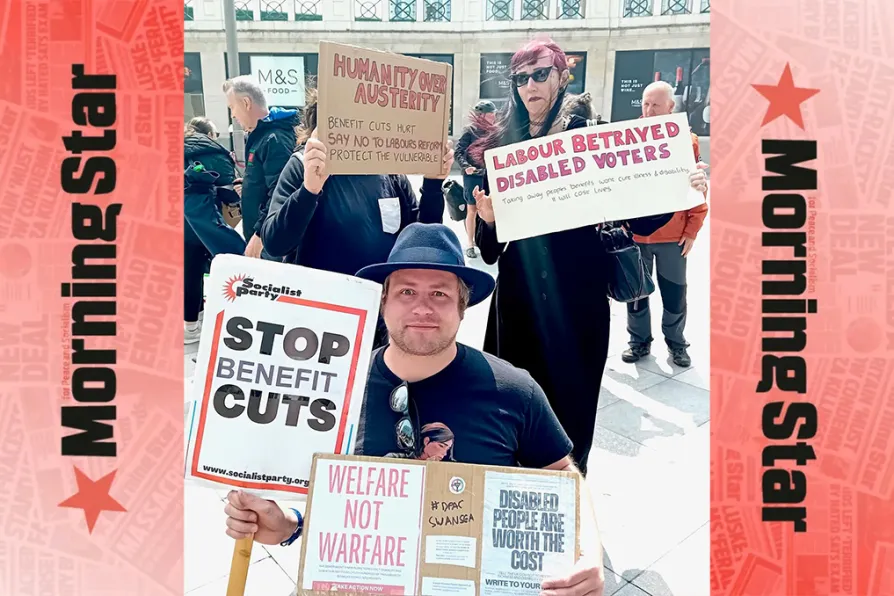
The government’s Pip review looks like a carefully managed exercise in legitimising future cuts to disability support, argues Dr DYLAN MURPHY

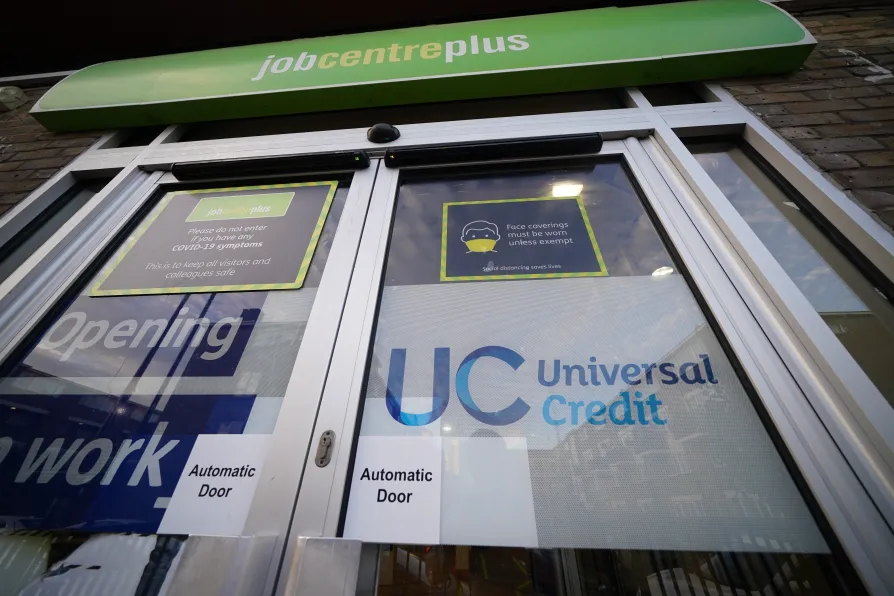
Plans to delay access to the universal credit health element until age 22 have triggered fierce opposition from disabled people’s groups, who warn it would deepen poverty and entrench discrimination against young disabled people under the guise of ‘encouraging work.’ DYLAN MURPHY reports