
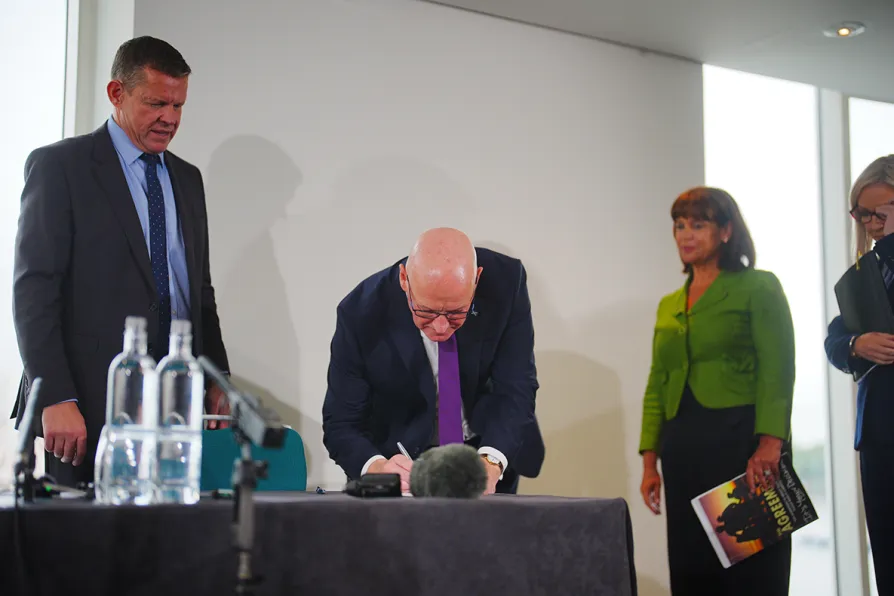
The UK Prime Minister may have the regal touch in northern England, but he’s been wrong-footed on the constitutional challenges posed by the Celtic Alliance of first ministers from Scotland, Wales and Northern Ireland, argues KENNY MacASKILL

What does ‘for the many, not the few’ mean – and is this socialism?
The mantra of Corbyn's Labour Party has deep roots in the history of the left, and even greater implications for how we might bring about socialism in the modern day, writes the MARX MEMORIAL LIBRARY
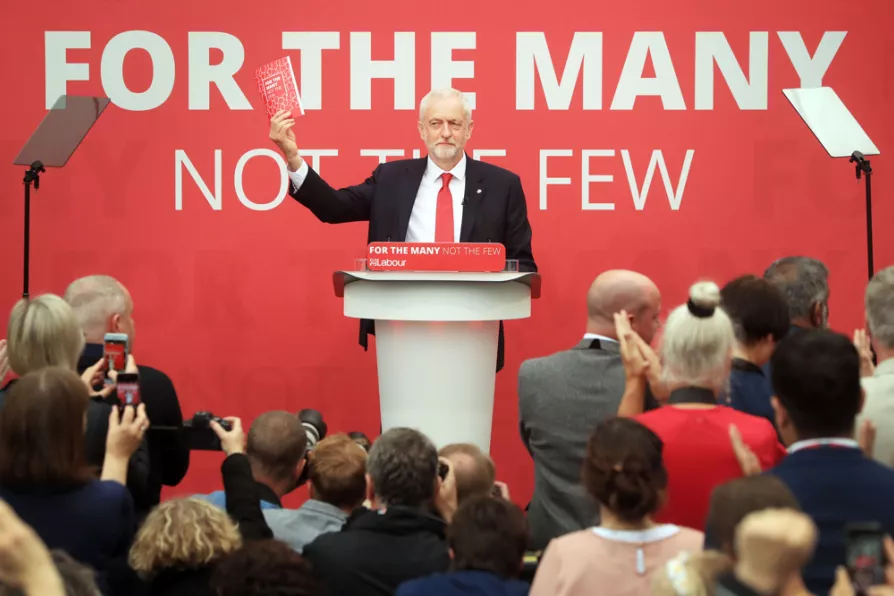
 Jeremy Corbyn at the launch in Bradford of the Labour Party manifesto for the general election in May 2017
NEIRLAY ANDRADE, a member of the Communist Party of Venezuela’s political committee, outlines her party’s position on the crisis facing the country
A look at Taylor Wimpey’s accounts shows why Labour’s market-led housing strategy won’t deliver more, cheaper homes, as promised, says SOLOMON HUGHES
DAVID HORSLEY remembers the remarkable life and death of US black revolutionary George Jackson, whose politically passionate prison letters were published as Soledad Brother
Cuban trade union federation CTC leader OSNAY MIGUEL COLINA speaks to Ben Chacko about life and work under a crippling US siege
A part of the British empire’s network of slavery, today the Caribbean island of Nevis faces a new form of exploitation in the form of crypto-colonialism, CLAUDIA WEBBE writes
Challenges from the unscrupulous misuse of AI to steal actors’ voice and physical likenesses is being met with a firm union response, writes LYNDA ROOKE





THERE are two good questions here. Let’s start by examining where the phrase “for the many, not the few” comes from. It’s become more prominent – indeed, a slogan for the Labour Party – since Jeremy Corbyn’s election as its leader in September 2015.
But the origins of the phrase go back at least two centuries to the poet Percy Bysshe Shelley’s The Masque of Anarchy, written in 1819 following the Peterloo Massacre on August 16, when mounted cavalry with drawn sabres charged a demonstration of some 80,000 people in St Peter’s Field, Manchester, who had gathered to demand the vote. Fifteen people were killed and some 700 were injured.
The Masque (or Mask) of Anarchy is a long poem but worth reading. The final stanza (read by Corbyn to almost 120,000 people at the Glastonbury Festival in 2017) goes:
“Rise like Lions after slumber
In unvanquishable number,
Shake your chains to earth like dew
Which in sleep had fallen on you -
Ye are many - they are few.”
But the phrase “for the many, not the few” was not adopted by Corbyn. Its use as a slogan is perfectly legitimate as it has formed part of the Labour Party’s constitution since 1995, when it was introduced in much less auspicious circumstances.
The Labour Party’s first constitution, in 1918 – a century after Shelly’s Mask of Anarchy – set out the party’s aims and core values.

Similar stories
Dignity is important to all humans, argues the Marx Memorial Library and Workers’ School, but it does not come about automatically. In a less than perfect world, dignity can accompany suffering, but the collective dignity of working people is achieved through acting together to change the world.

Internationalism is deeply embedded in socialist theory and practice. Examination illuminates its complexity asserts the Marx Memorial Library and Workers’ School
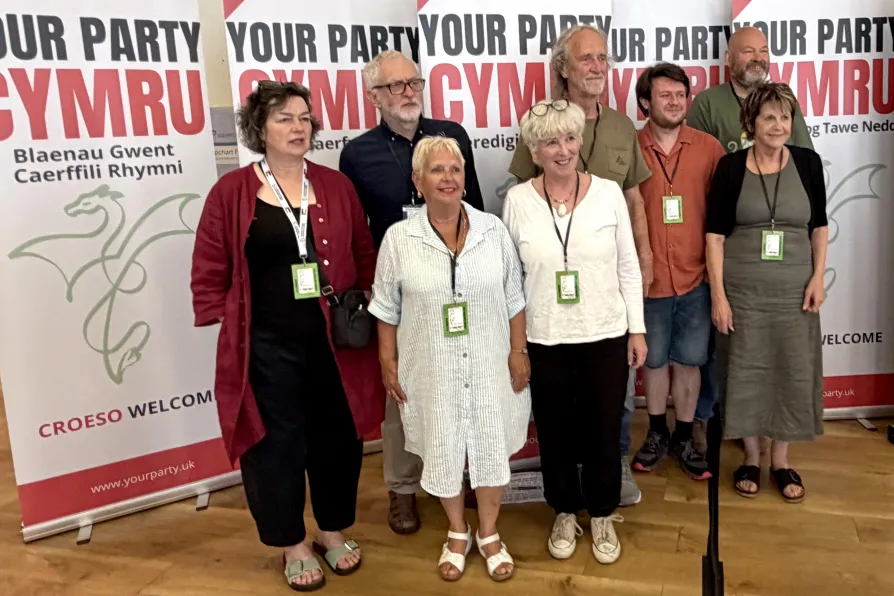
by David Nicholson, Wales reporter
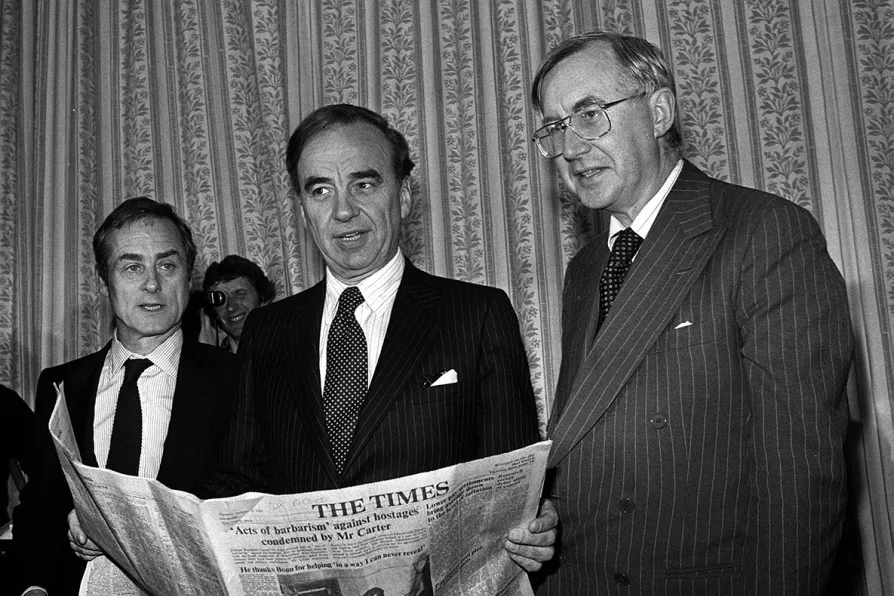
Four decades on, the Wapping dispute stands as both a heroic act of resistance and a decisive moment in the long campaign to break trade union power. Lord JOHN HENDY KC looks back on the events of 1986