
 Latest editorial
A California union’s decision to host a meeting about US policy towards Cuba has prompted a congressional probe and renewed attacks on international solidarity, writes CAMERON HARRISON


The LLL demo in Berlin invokes the spectre of communism
Luxemburg and Liebknecht saw their revolution crushed by reaction, while Lenin’s survived and went on to defeat their fascist killers. 100 years later, thousands march to celebrate the lives and ideology of all three — communism. VICTOR GROSSMAN reports from Berlin
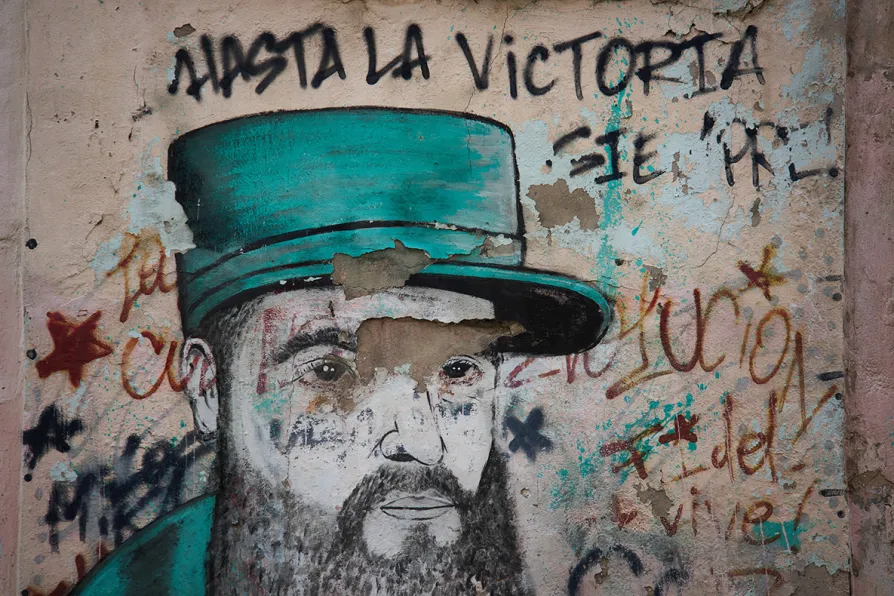
The Baltic state is set to reverse its constitutional prohibition on nuclear weapons and foreign bases as part of accelerated Nato war preparations, warns TOM UNTERRAINER
Long-term underfunding and state neglect, while simultaneously probation services have been undermined, have intensified the prison crises, argues SOLOMON HUGHES
Holyrood incompetence has cost jobs and put the future of Clydeside’s Ferguson Marine shipyard into jeopardy. Its future should have been assured, argues KENNY MACASKILL
With the agitated debate now raging in the media about the early release schemes, Prison Officers Association general secretary STEVE GILLAN gives the view of those who work in the sector
The hounding of the late Jason Arday is an all too familiar experience for many black people. ROGER McKENZIE calls for collective action to combat what can feel like personal isolation





RED FLAGS everywhere, thousands marched along through the drizzly weather and puddled streets. Many bent figures hobbled with canes, some were in wheelchairs next to a younger set sitting proudly on their fathers’ shoulders or in strollers. Then another big group of young people arrived, some singing or chanting leftist demands.
Most spoke German but many Turkish, English and a dozen other languages mixed in. They all moved past the rows of political stalls and snack booths, a majority had red carnations for the ring of graves and, in a brick semicircle, urns with names which once resounded well beyond Germany from 1900 to 1990.
One section is for those who fought and died in Spain. But the masses of red flowers for Karl Liebknecht and, even more for Rosa Luxemburg, was higher than I have ever seen them. Both were murdered 100 years ago.

Similar stories

The Berlin border closure 65 years ago did not happen in isolation, and many Western accounts omit crucial context, explains KEITH BARLOW
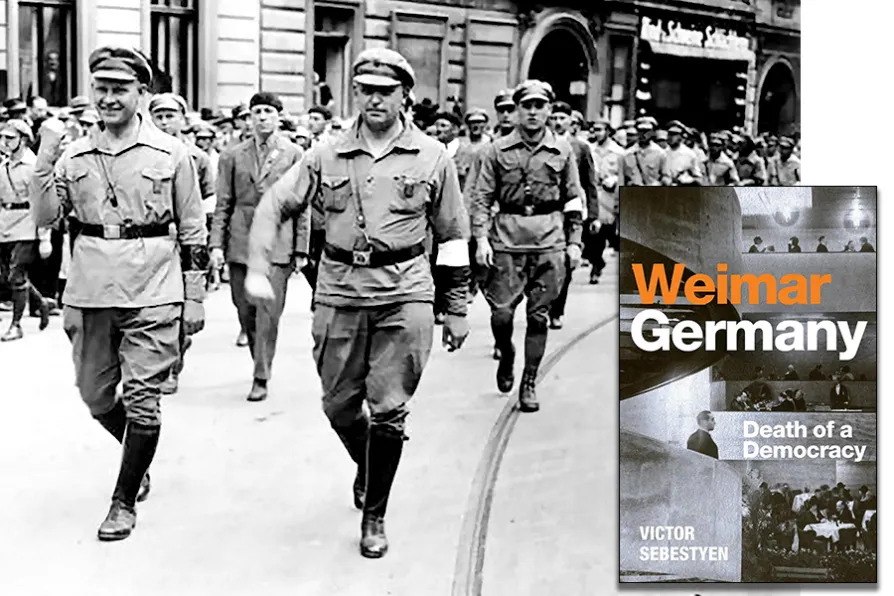
GORDON PARSONS recommends an entertaining account of the years between Germany’s defeat in WWI and Hitler’s seizure of power
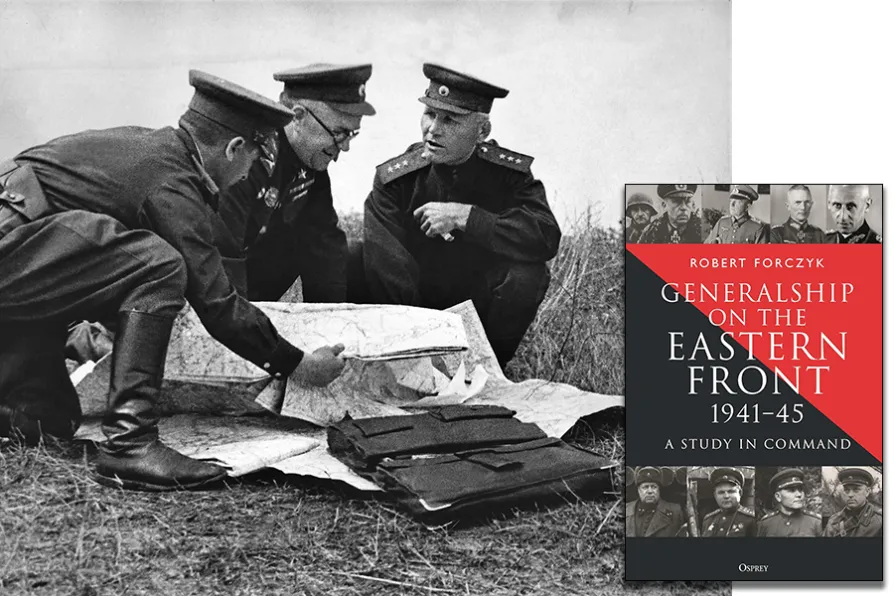
BRENT CUTLER is disappointed by a work of historical revisionism by a former US army officer, that makes a false equivalence between the two regimes
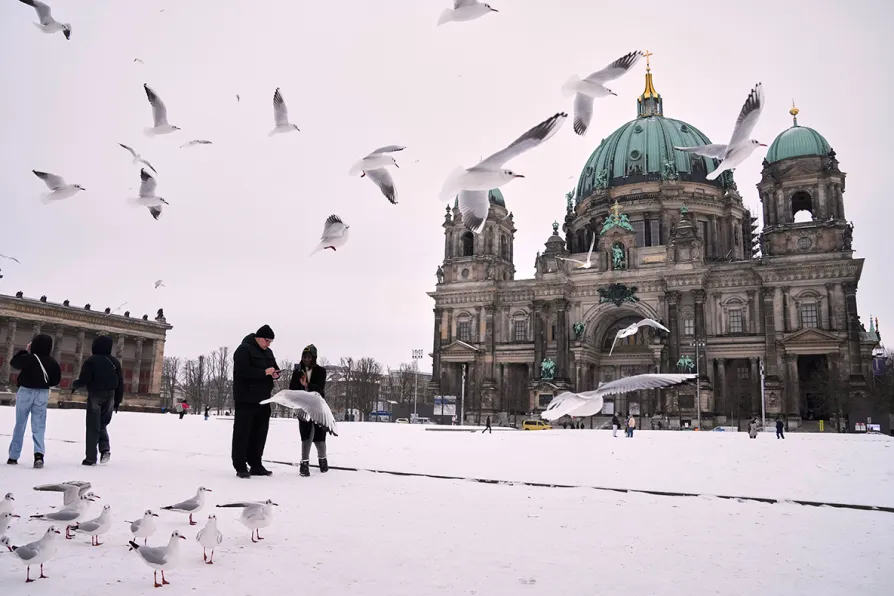
NICK WRIGHT returns to Berlin and finds a city in darkness and political turmoil