
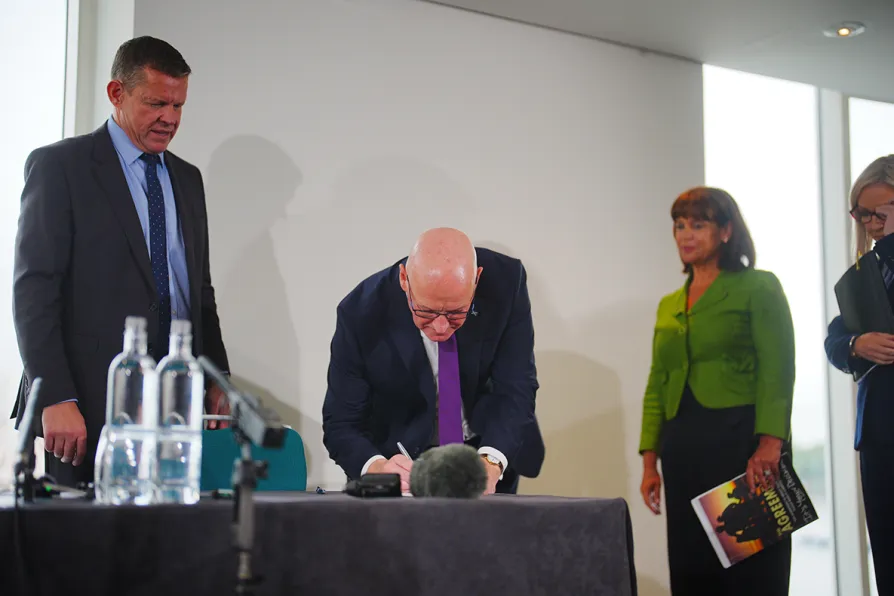
The UK Prime Minister may have the regal touch in northern England, but he’s been wrong-footed on the constitutional challenges posed by the Celtic Alliance of first ministers from Scotland, Wales and Northern Ireland, argues KENNY MacASKILL

Orgreave – it’s time for truth and justice
It’s wrong that the government continues to reject calls for an independent review, writes DIANE ABBOTT MP
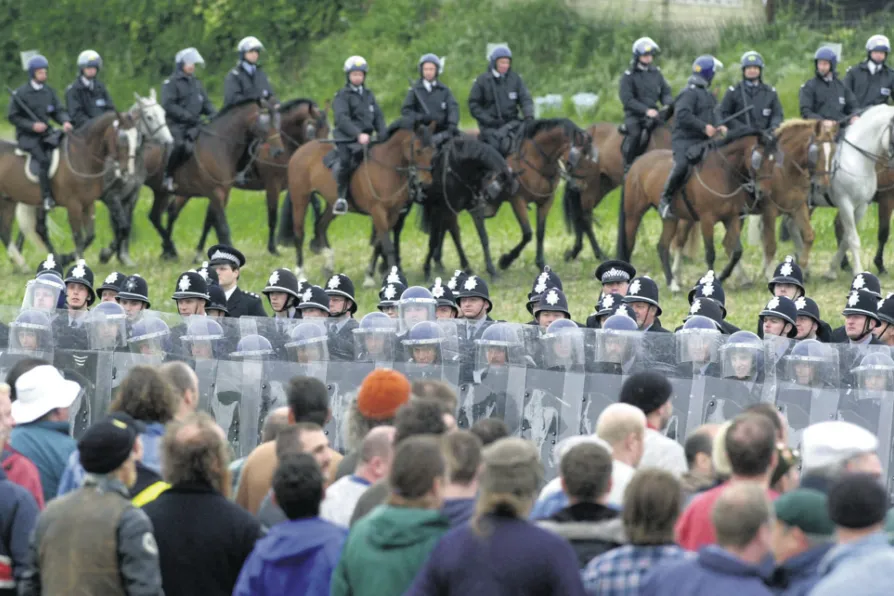
 A reenactment of the battle of Orgreave
NEIRLAY ANDRADE, a member of the Communist Party of Venezuela’s political committee, outlines her party’s position on the crisis facing the country
A look at Taylor Wimpey’s accounts shows why Labour’s market-led housing strategy won’t deliver more, cheaper homes, as promised, says SOLOMON HUGHES
DAVID HORSLEY remembers the remarkable life and death of US black revolutionary George Jackson, whose politically passionate prison letters were published as Soledad Brother
Cuban trade union federation CTC leader OSNAY MIGUEL COLINA speaks to Ben Chacko about life and work under a crippling US siege
A part of the British empire’s network of slavery, today the Caribbean island of Nevis faces a new form of exploitation in the form of crypto-colonialism, CLAUDIA WEBBE writes
Challenges from the unscrupulous misuse of AI to steal actors’ voice and physical likenesses is being met with a firm union response, writes LYNDA ROOKE





ORGREAVE campaigners rightly described as a “real kick in the teeth” the government’s decision last week to turn down an offer by the Bishop of Sheffield to set up an independent panel to examine the 1984 clash between striking miners and police.
As Chris Hockney, chair of the Orgreave Truth and Justice Campaign said, “We had high hopes that his approach would be seen as a real chance to get to the truth about what happened at Orgreave.”
In response to the decision, the Bishop of Sheffield has said he will continue to push for a review into what is often referred to as the Battle of Orgreave after the Home Office rejected his offer.
As the Rt Rev Dr Pete Wilcox said, there is real public support for such a move and it would be a “real public benefit” for such an independent review of documents relating to the events at the miners’ strike in Orgreave, in South Yorkshire, on June 18 1984.
On that date, at the height of the miners’ strike, huge lines of police clashed with striking miners as they tried to stop lorries carrying coke to fuel the Scunthorpe steel furnaces.
Violence erupted and at one stage police horses were sent to charge the crowd up the field as officers followed to make arrests.

Similar stories
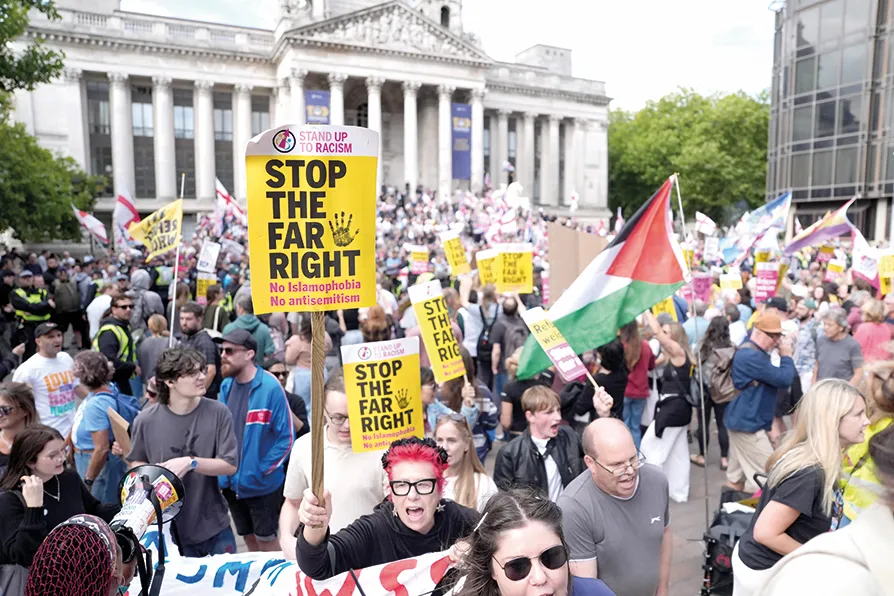
DIANE ABBOTT provides an analysis of the reasons for EU and British voters’ dramatic swing to the right
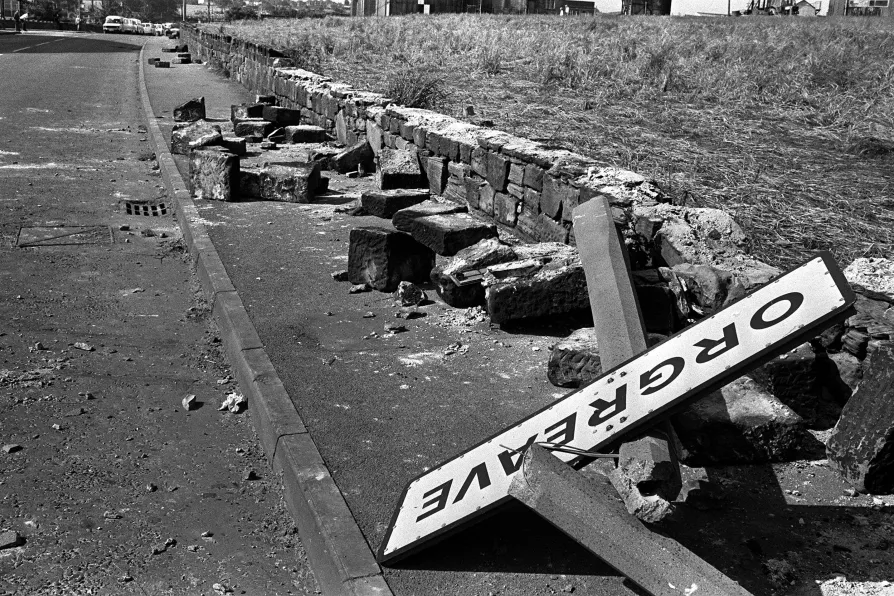
The public inquiry is the result of more than a decade of determined campaigning. Now, those who fought for justice want the full story of government involvement and police conduct to be told, says KATE FLANNERY
DIANE ABBOTT exposes Keir Starmer's doublespeak on Britain’s involvement in the Iran war but takes heart from the growing organisation of the opposition to it
KIM JOHNSON MP places the campaign in the context of the history of the working-class battles of the 1980s, and explains why, just like Orgreave and the Shrewsbury Pickets before it, justice today is so important for the struggles of tomorrow