In a wide-ranging interview, JEREMY CORBYN talks to Ben Chacko about the difficulties the new Prime Minister faces and why he sees no future in Labour


 Latest editorial

Energy and equity
Can a pandemic and a climate precipice drive home the message that our addiction to ever-growing energy use must be curbed, asks ALAN SIMPSON



A sharp rise in public-sector investment is required to kick-start the economy, argues MICHAEL BURKE
Burnham’s billions for defence while councils and local services struggle will not deliver the change that Britain’s working-class communities need, says MICAELA TRACEY-RAMOS
Millions of elms were wiped out by Dutch elm disease in the 20th century, transforming the landscape forever – yet pockets of hope are keeping this beloved tree alive. MARK SEDDON explains
CARLOS MARTINEZ looks at the facts behind US persecution of Fergie Chambers
While Italy’s communist tradition remains fragmented and politically marginal, France’s party is attempting to re-establish itself as an independent force rooted in working-class organisation, says NICK WRIGHT





THE images of motorway tailbacks, even before Britain’s lockdown period officially loosened, brought two things home to me.
The first was that, without clear leadership, crises always take you perilously close to collective insanity.
I’m sure none of the families who decided it was a good moment to nip off to the coast or the countryside ever expected to spend the day walking between stationary vehicles on the motorway.

Similar stories

The Bard contributes to the campaign of Count Binface, and applauds Burnham’s plans for vocational training
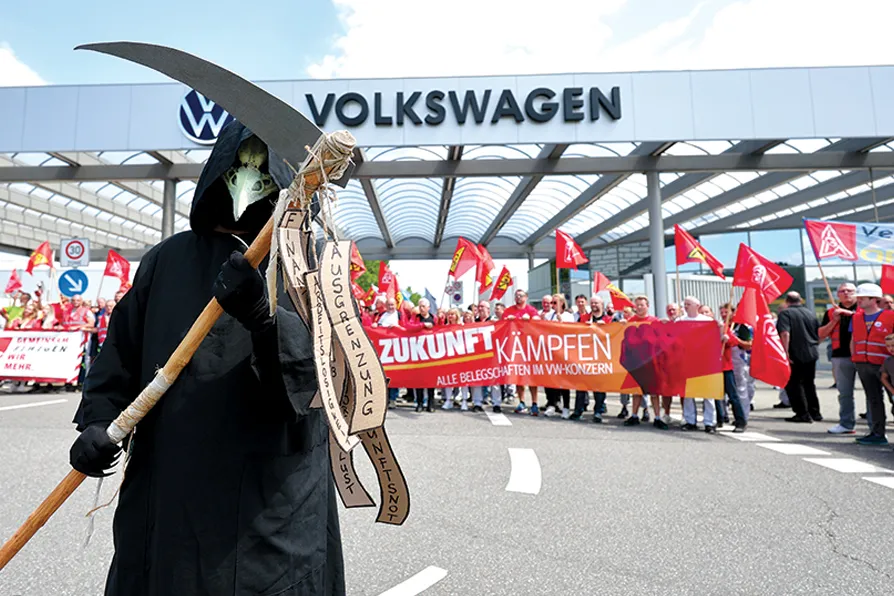
The future does not have to be climate chaos and social breakdown. MARC VANDEPITTE looks at the alternatives offered by the Global Justice Report, co-authored by Thomas Piketty
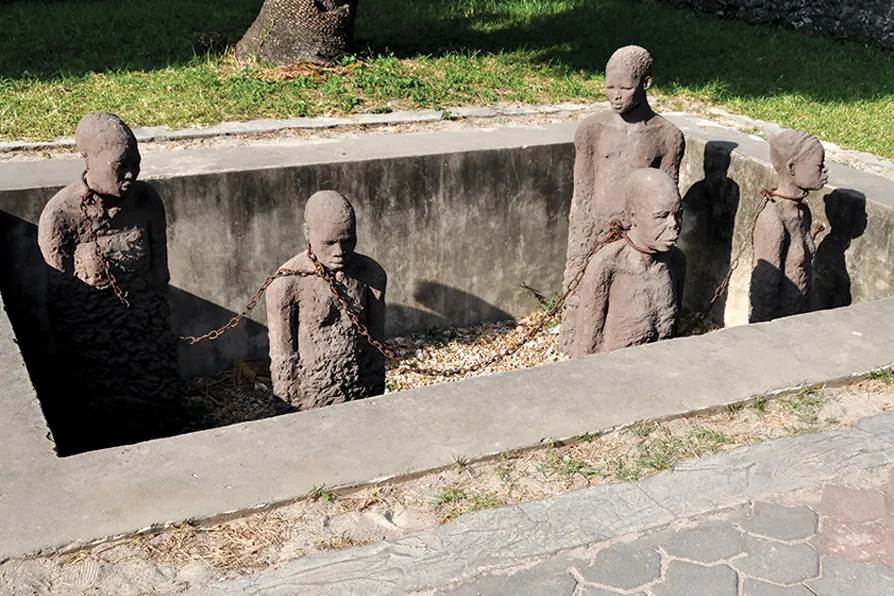
With the centenary of the UN Slavery Convention upon us, ROGER McKENZIE argues much needs to be done to rid us of all its contemporary manifestations

With more people dying each year and many spending their final days in institutions, researchers argue that wider access to palliative care could offer a more humane and cost-effective alternative, write ROX MIDDLETON, LIAM SHAW and MIRIAM GAUNTLETT