


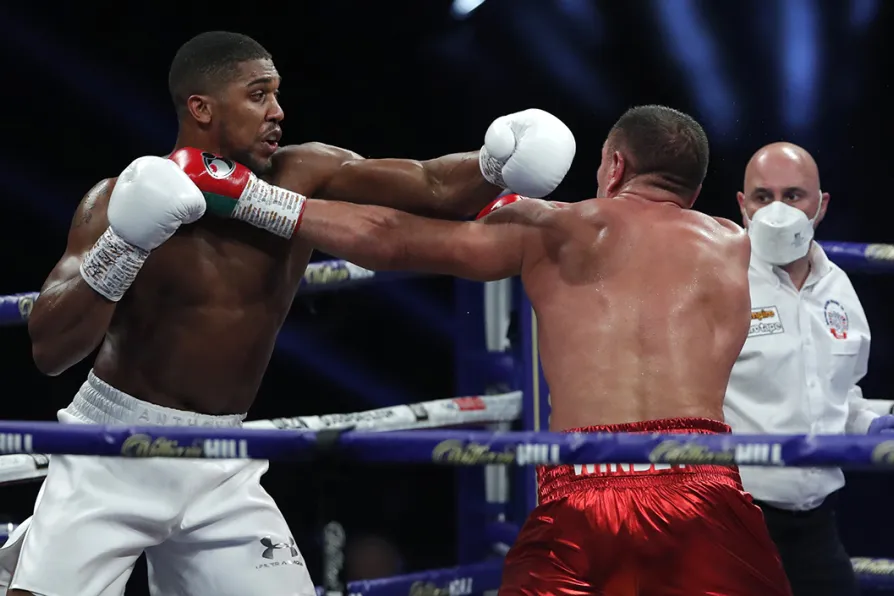







THAT boxing is a sport that sits at odds with pre-eminent enlightenment cultural values rooted in a revulsion of violence — or at least violence other than that sanctioned by the state in service to the state — is a contradiction that many writers and public intellectuals have pondered with varying degrees of success through the years.
None has been more convincing in unravelling this contradiction than Joyce Carol Oates. In her classic work, On Boxing, she makes the point that while “Spectators at public games derive much of their pleasure from reliving the communal emotions of childhood, spectators at boxing matches relive the murderous infancy of the race.”
“The murderous infancy of the race,” Oates is essentially reminding us here, is innate within us, in other words, part and parcel of our species being.


Dignity is important to all humans, argues the Marx Memorial Library and Workers’ School, but it does not come about automatically. In a less than perfect world, dignity can accompany suffering, but the collective dignity of working people is achieved through acting together to change the world.

Nature as well as society works dialectically, asserts the Marx Memorial Library and Workers’ School
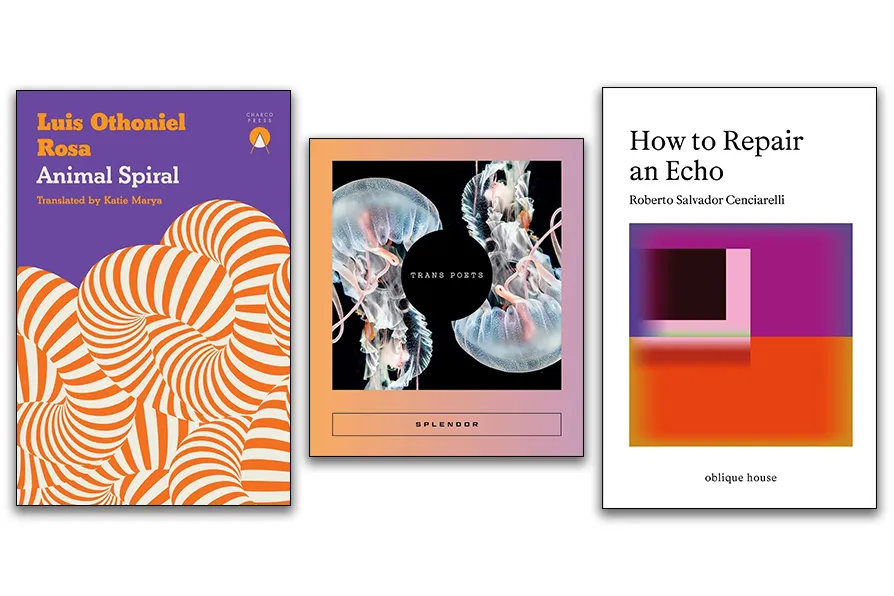
From post-human revolution in Puerto Rico to trans poetics and queer mythmaking, these three books that imagine new ways of being together
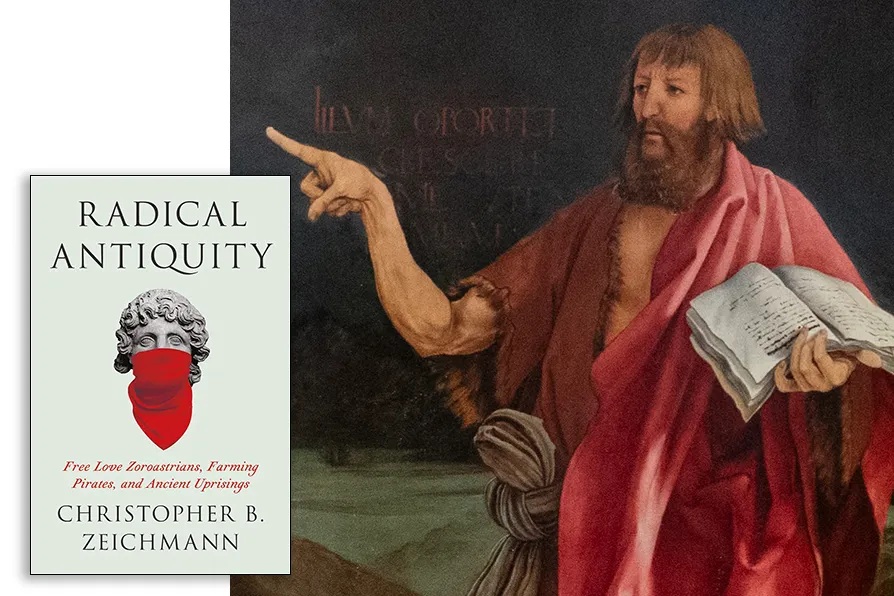
STEVE ANDREW enjoys an account of the many communities that flourished independently of and in resistance to the empires of old