
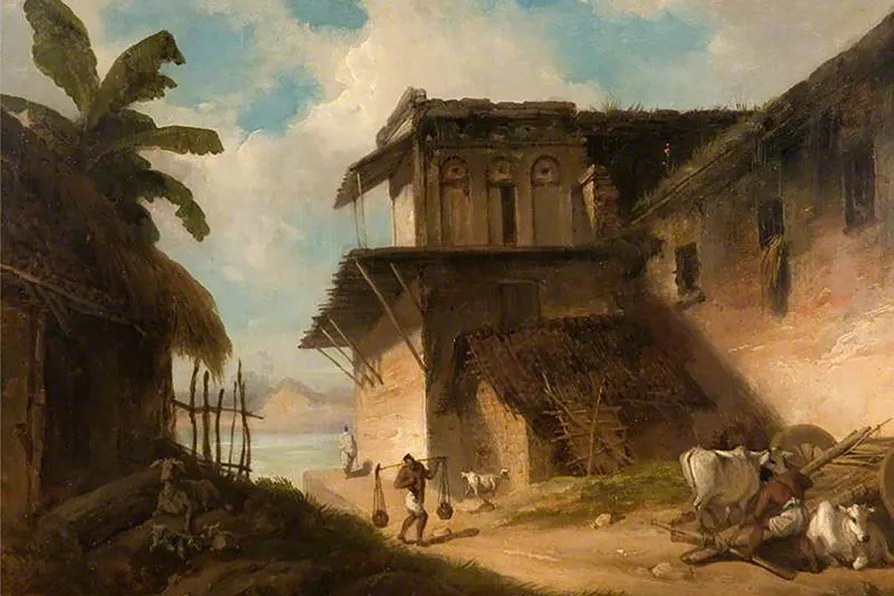
APURBA CHATTERJEE explains how British artists in India used the “picturesque” to reshape colonial landscapes and celebrate imperial power


Punching up
DENNIS BROE appreciates the work of TV writer Steven Knight, and his systematic exposure of the debilitating effects of British capitalism

 BARE-KNUCKLE: Stephen Graham and Malachi Kirby in A Thousand Blows
[IMDb]
BARE-KNUCKLE: Stephen Graham and Malachi Kirby in A Thousand Blows
[IMDb]
PAUL DONOVAN welcomes a revival of Reginald Rose’s classic play that reminds us of the fundamental need for trials with juries
SIMON PARSONS applauds an exceptional performance of Wesker’s little-known play, by the same actor for whom it was written 45 years ago
ANDY HEDGECOCK and MARIA DUARTE review Late Fame, The Death of Robin Hood, Leviticus, and Gail Daughtry and the Celebrity Sex Pass
ANGUS REID recommends a uniquely accomplished documentary collage that contemplates our relation to the natural world
GORDON PARSONS enjoys Kant’s ‘mind-boggling’ theory of human reality: that we create the reality we experience





AS Trump and Musk unleash a new kind of barbarism and open class war on US workers based around the cuts to domestic spending and the renewal of the tax giveaway to the billionaires, it is especially worthwhile to revisit and acknowledge the work of Stephen Knight who through a series of series has charted the brutality of the British ruling class in the 19th and 20th centuries.
Knight’s most famous, though not necessarily his most trenchant, series is Peaky Blinders.
The Peakys are a family gang in Birmingham in the 1920s whose mixed heritage of outsiders — Irish and Roma — forced them to claw their way up the ladder to a final hard-won respectability. The two brothers, the lead characters, were both damaged in the World War I trenches and the series was the first to deal specifically not only with the effects on the home front of that war, but also to locate those effects as necessary results of the barbarity of that war, where the European ruling classes ordered their workers to the trenches to kill each other and a whole generation of poets and artists on both sides were either murdered or mentally destroyed in that onslaught.

Similar stories
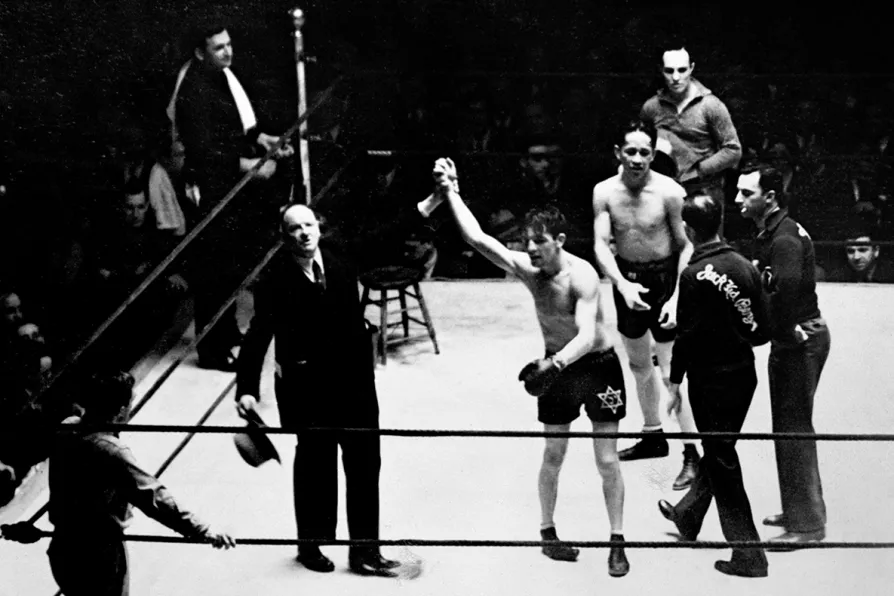
As antisemitism spread across Europe and the United States in the 1920s and 1930s, Benny Leonard and Jack ‘Kid’ Berg became symbols of hope and resilience, writes JOHN WIGHT
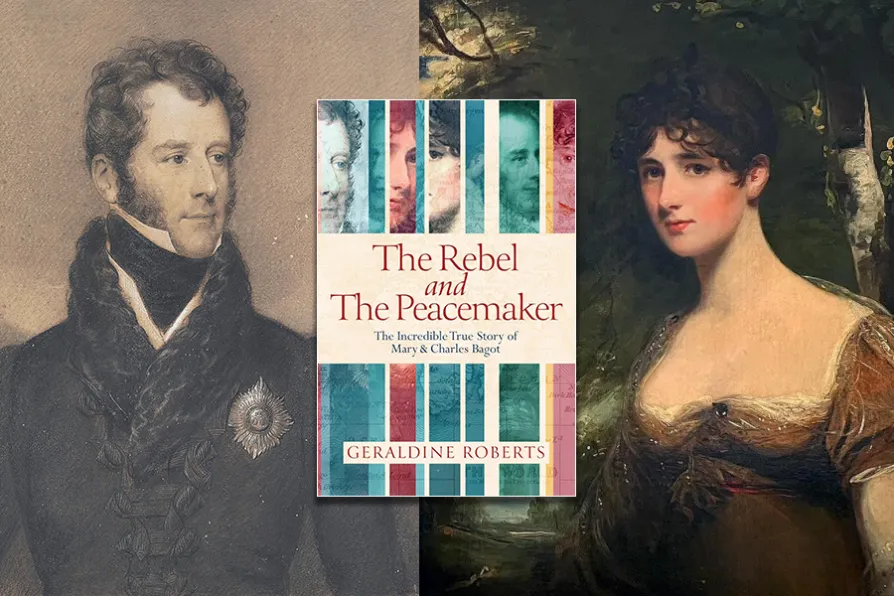
PAUL DONOVAN is fascinated by the lives of Charles and Mary Bagot, and the insight this biography shines on the morals of pre-Victorian society
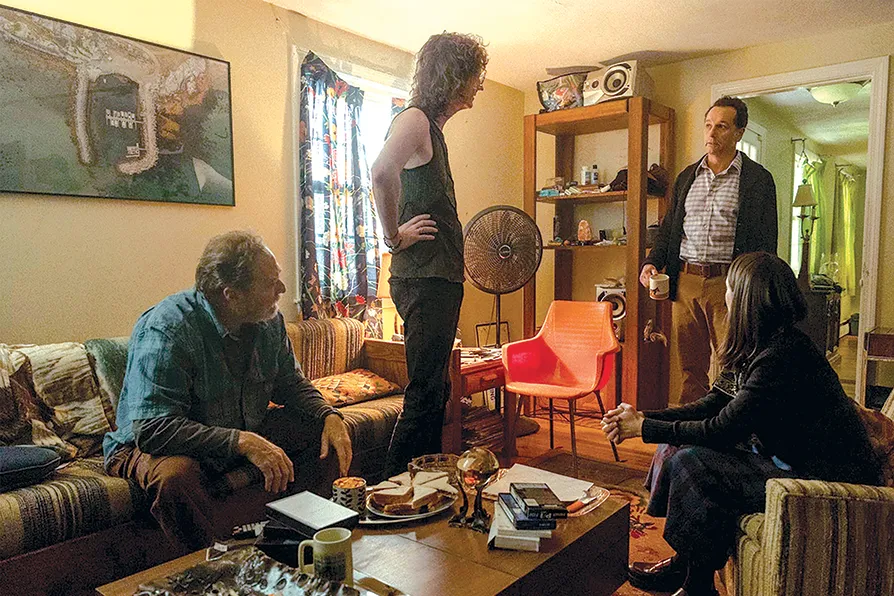
DENNIS BROE recommends two new series on Apple TV for their examination of inequality and skewed morals
JULIA THOMAS unpicks the mental processes that explain why book-to-film adaptations so often disappoint