 Latest editorial
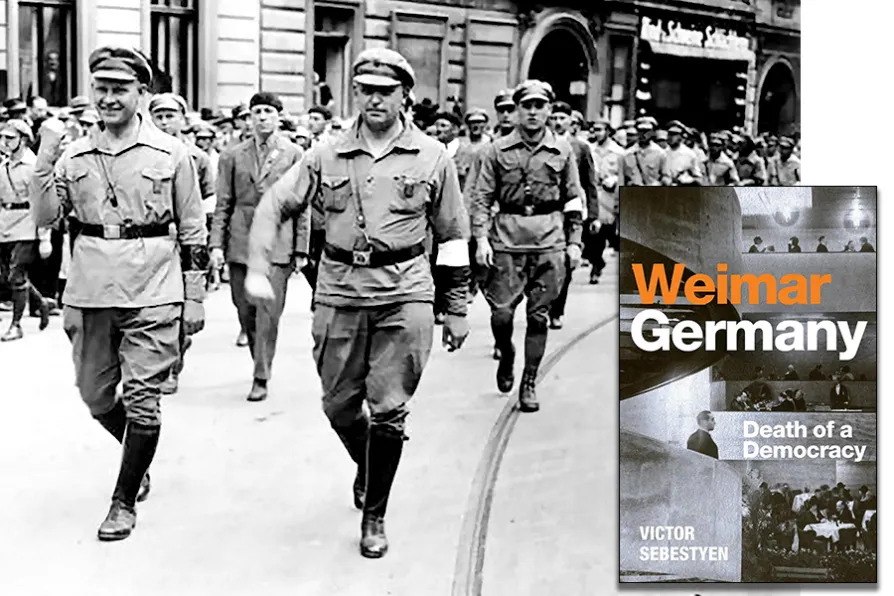
GORDON PARSONS recommends an entertaining account of the years between Germany’s defeat in WWI and Hitler’s seizure of power



Too much stuff about capitalist solutions to a crisis of overproduction
Kozo Yamamura's book ignores the fundamental reasons why economic growth in the developed world is in decline, says DAN GLAZEBROOK
MIGUEL YOSHIDA explains the evolution and influence of the Cuban Casa De Las Americas in joining culture to the revolutionary struggle
ANDY HEDGECOCK is charmed by a skilful adaptation of Tove Jansson’s lyrical portrait of three generations of a family, overcoming grief
ALEX HALL treads warily through a messy, dialectical struggle fought in the mundane machinery of driving licences, criminal law, and birth registries
MICHAL BONCZA, FIONA O’CONNOR, JAMES WALSH and ANGUS REID review Atlas of Disappearance, Love Me Tender, Bouchra, and This Tempting Madness
Flitting between myth and the modern world, Medusa is determined to steer clear of human affairs. When her resolve crumbles, the result is petrifying in every sense





Too Much Stuff: Capitalism in Crisis
by Kozo Yamamura
(Policy Press, £7.99)
KOZO YAMAMURA’S starting point in this short book is the parallel existence of two seemingly contradictory realities of modern economic life in the developed world.
Low growth rates since 1980 evidence what he calls the “sickness” of these economies, especially since the “great recession” of 2008. This low growth, he argues, has created stagnant wages, frequent recessions which drive up unemployment, a reduction in the capital available for socially necessary investment and a growing inequality which is threatening political stability and even democracy itself.

Similar stories
A sharp rise in public-sector investment is required to kick-start the economy, argues MICHAEL BURKE

Critics of UBI underestimate both its political significance and its economic potential, writes BERT SCHOUWENBURG

Only an ambitious programme of state-led investment can restore growth and improve living standards, argues MICHAEL BURKE

If the government really wanted to address public finances, improve living standards and begin economic recovery, it would increase its borrowing for investment, argues MICHAEL BURKE